Digital payments in India are set to get a big boost with Finance Minister Arun Jaitley, in his Budget 2017 speech, announcing that cash will be no longer allowed for transactions of more than Rs 3 lakh. Jaitley said that he had accepted the recommendation made by the special investigative team on black money to disallow high value transaction in cash.
Experts, however, remain skeptical of the way a blanket directive such as this will be implemented. Kalpesh Mehta, partner-banking at Deloitte spoke to BloombergQuint and said that as of now there's no legal banking to disallow cash for transactions.
It remains to be seen how they are going to control high value transactions happening in cash. If someone has cash, they will make a payment which could remain off the books. As of now, there's no legal backing to it but the intend is not to have high value transactions which might lead to parallel economy. Though the implementation of such a directive is going to be onerous.Kalpesh Mehta, Partner-Banking, Deloitte
The government also proposed a new payments regulator to be set up within the Reserve Bank of India. Jaitley said the government is also working to quickly roll out the recommendations put forward by a committee of chief ministers on digital transactions.
Also Read | Layoffs Are Rising In Tech, But These Skills Are Helping People Unlock Better Pay
To begin with, it is proposed to create a payment regulatory board in the Reserve Bank of India by replacing the existing board of regulations and supervision of payment systems. As we move faster to the path of digital and cheque payments, it is necessary to ensure that payees of dishonoured cheques are able to realise their payments. Therefore, the government is considering the option of amending the Negotiable Instruments Act suitably.Arun Jaitley, Finance Minister In His Budget 2017 Speech
Also Read: Budget 2017: Government Decides To Abolish FIPB
While the government brings about structural changes in payment regulation, it is also promoting digital transactions by proposing that petrol pumps, fertiliser depots, hospitals and colleges have the facility to accept digital payments, including from the BHIM app. Jaitley said the government might also look to “potentially mandate” the same.
Ravi Goyal, chairman and managing director of digital payments company AGS Transact Technologies Ltd. said the budget has amplified the government's thrust on digital adoption, and metros seem to be the first target.
There's a big push to digital payments on all fronts and it helps that the government has placed limits on cash transactions for high-value payments. This is going to be a major boost to payments in high values in major cities, while the push to deploy PoS at petrol pumps and schools is likely to help increase the velocity of transactions.Ravi Goyal, Chairman and Managing Director, AGS Transact Technologies
The government waived all duties and taxes on the import of devices used in the process of cashless transactions such as point of sale machines, fingerprint readers and micro-ATMs. This is a carry forward of waiver announced post demonetisation, which is valid till March 31 this year.
"To promote cashless transactions, I propose to exempt BCD (basic custom duties), excise duties, CVD (countervailing duties), SAD (special additional duty) on miniaturised card readers and mPOS micro ATMs standards for version 1.5.1, finger print readers, scanners and iris scanners,” Jaitley said.
The minister also sought to boost local manufacturing of these devices by exempting parts and components used in manufacturing from duties.
Jaitley also announced two new schemes targeted at increasing the number of digital transactions through its flagship BHIM app -- a referral bonus scheme for individuals and a cash-back scheme for merchants.
The budget was hailed by payment industry entrepreneurs including Paytm CEO Vijay Shekhar Sharma who termed it a “digital economy budget” in a written statement.
Tax benefits, incentives to use digital payments and extending loans based on a digital footprint will create a larger merchant ecosystem for digital payments. Overall, it is a great budget that will encourage people to move to the formal economy and derive benefits.Vijay Shekhar Sharma,Founder & CEO, Paytm in a written statement
Budget 2017 set a target of 2,500 crore digital transactions in the upcoming financial year through various modes such as UPI, Aadhaar Pay and plastic cards.
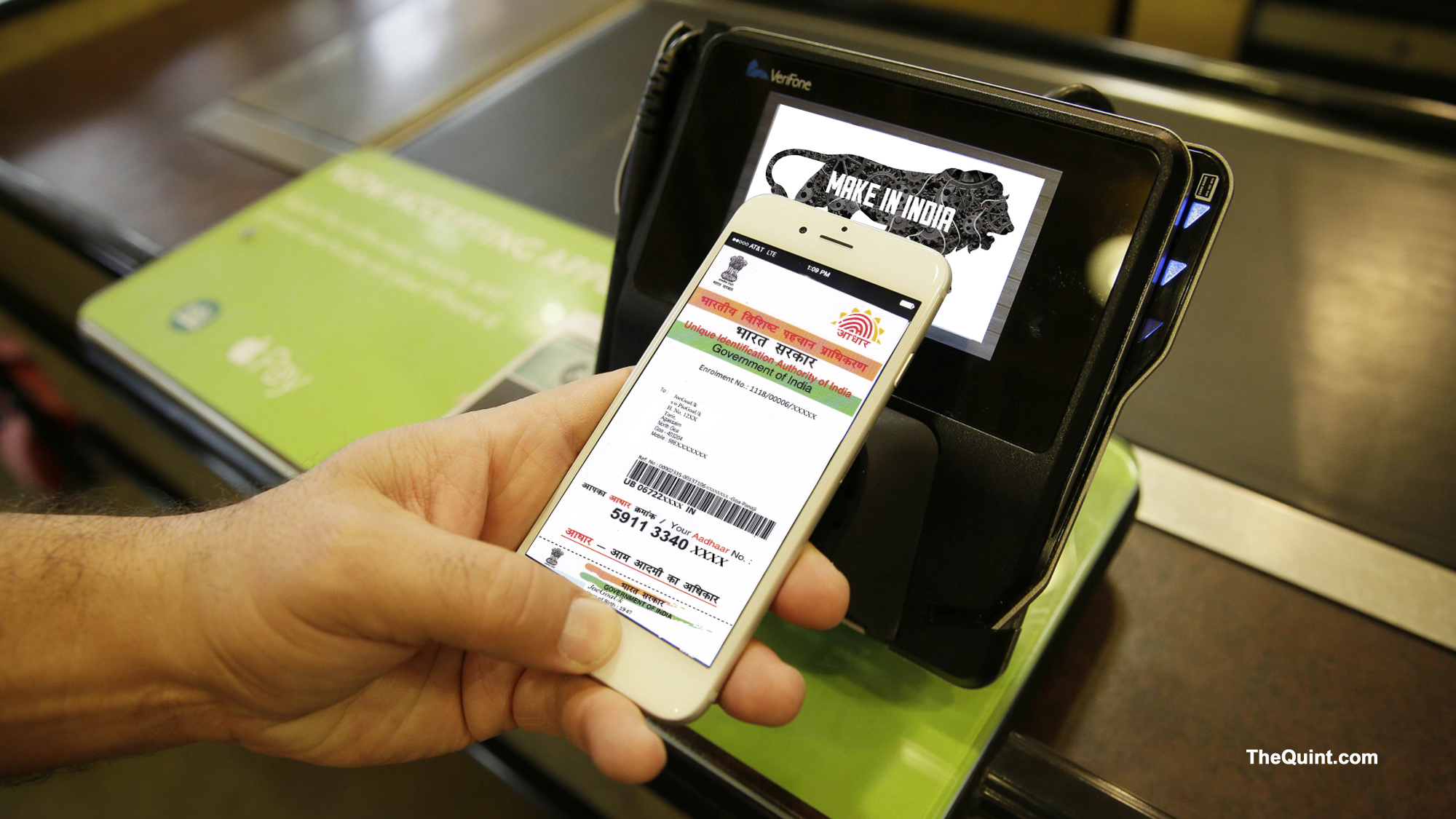
While the government is yet to roll out Aadhaar- based payment systems -- which come with their set of safety concerns -- Jaitley said that 20 lakh Aadhaar-enabled point-of-sale machines will be rolled out by September 2017.
AadharPay, a merchant version of Aadhaar-enabled payment system to be launched shortly for those without debit cards, mobile phones: FM
According to Reserve Bank of India data, the value of debit card transactions at point of sale (PoS) terminals has grown by over 63 percent between 2012 and 2015. Credit card transactions at PoS terminals have grown 54 percent.
Also Read: Agriculture Credit Target Set At Record High Of Rs 10 Lakh Crore
However, estimates suggest that 90% of transactions by value are still being carried out in cash in the country. This is set to change with the government's latest push for digital payments after demonetisation.
In its attempt to boost use of cards, wallets and unified payments interface, the government has announced that banks will deploy 10 lakh additional PoS machines by March 2017 which will be complemented by the launch of Aadhaar Pay, which obviates the need of having a phone, debit card or passwords.
Essential Business Intelligence, Sharp Market Insights, Practical Personal Finance Advice, Daily Fuel, Gold and Silver Prices and Latest Stories — On NDTV Profit.