Vistara-Air India Merger: What’s Next For Club Vistara Loyalty Program?
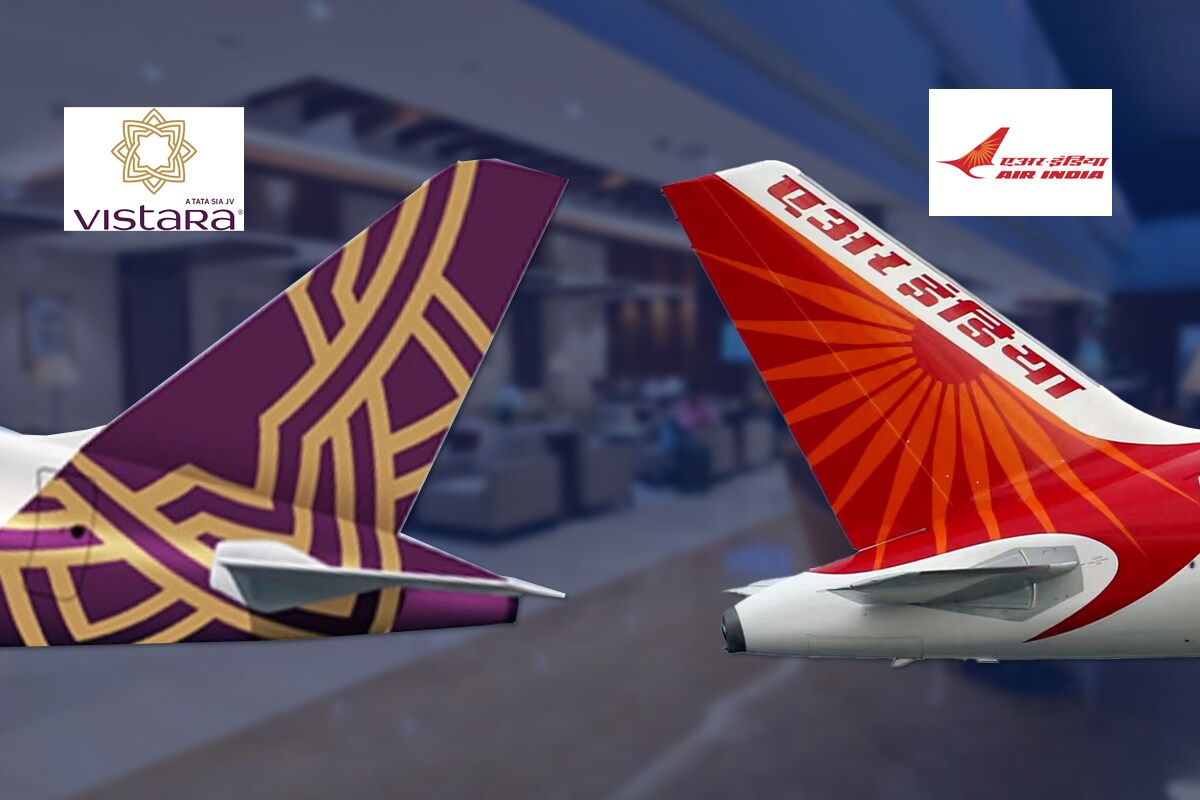
After the merger of Air India and Vistara, customers can expect the Vistara experience to continue, albeit under the Air India brand. Vistara flights will be operated by Air India and will be assigned a new four-digit code beginning with “2” (e.g., UK 955 will become AI 2955) for bookings from Nov. 12.
Notably, starting Sept. 3, passengers were unable to book Vistara tickets for travel on or after Nov. 12. However, Vistara will continue to accept bookings and operate flights normally until Nov. 11, 2024.
The merger means that existing members of Club Vistara will be integrated into Air India's Flying Returns program. This program will evolve into a new version called "Maharaja Club", providing members with enhanced benefits and rewards.
In addition to loyalty program changes, Air India is in the midst of upgrading its fleet. New aircraft are being delivered, and existing planes are undergoing refurbishment to offer improved interiors and amenities, the company said in a press release.
The routes and schedules for Vistara flights will remain unchanged, and passengers can look forward to the familiar in-flight service, including menus and cutlery. The same crew will continue to serve onboard, ensuring a seamless transition for travellers.
Recently, Air India added six A350 aircraft to its fleet, enhancing its international service, including routes to London and New York.
The airline's narrowbody fleet is also being upgraded, with 27 legacy A320neo aircraft scheduled for a retrofit by mid-2025. These retrofitted aircraft will feature enhanced seating options, including Business Class and Premium Economy, along with modern conveniences like USB ports and updated cabin designs.
With its merger, Air India aims to expand its global footprint, offering passengers a unified experience with access to over 90 domestic and international destinations, plus more than 800 additional options through codeshare partners, the company's media release stated.

-
Ten Things I Learnt This Samvat

Patience can be a trap. Cheap stocks can stay cheap. Leverage can wipe you out. What did Samvat 2082 teach us? Niraj Shah writes on 10 lessons from the year gone by.
-
Talking Points This Week: Tech Nerves, FII Buying, And A Faraway Banking Shock
The global markets are not shining this Diwali. The exception in the large markets is, India.
-
Midterm Rally Lasted A Day. The Hard Reality Of A Divided US May Last Two Years | Opinion
Between a contested AI boom, a debt ceiling that arrives in 2027 and a president with every incentive to act alone, the next two years may prove more volatile than the first day's rally suggests.
-
Blue Wave Will Derail the AI Trade but Won't Dismantle the AI Era | Unhedged Position
The Democrats' sweep of the US Congress will see politics collide with economic forces both over the long and short term.
-
It's Time To Take The GST Council's Bet On Trust Global
Payment records can prove India's services exports, and clear, proportionate rules can bring foreign digital sellers into the tax net.
-
Opinion | India at 38: From Innovation Overperformer to Innovation Powerhouse
India now has 453 VC-backed deep science startups, 18 of them late-stage, after 117 percent growth since 2020. Laurus Labs, at USD 9.3 billion, is the most valuable deep science company in any middle-income economy outside China.
-
Navigating Energy Crossroads: S Jaishankar's Call For Diversified Supply Chains At G20 Ministerial Meeting
As geopolitical fault lines continue to test maritime trade routes and commodity flows, Jaishankar's message remains pertinent: true economic resilience requires open markets, protected transit lines, and a genuine commitment to multilateral cooperation rather than coercion.
-
Indians Are Travelling, But Not Every Journey Is A Holiday | The Week In Whys
Pilgrims, patients and working women are the real travellers, and the system hasn't quite caught up with them.
-
Getting To Work Costs Women More | The Reason Why
It is not just about women paying more than men. It is about women paying much more in cities than in villages.









