The Path Of ‘Atmanirbhar Bharat’ Should Also Run Through Vaults
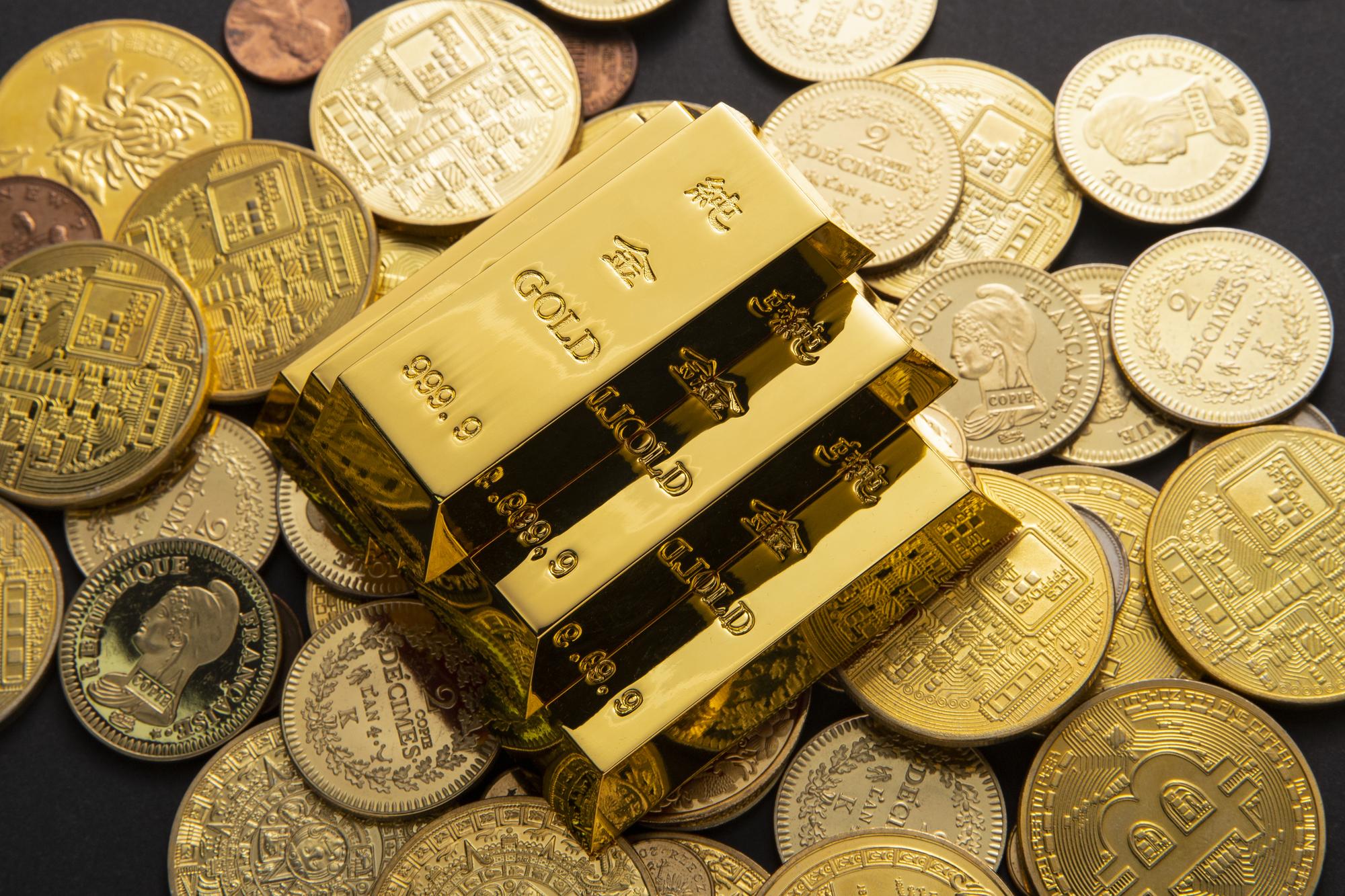
As geopolitical tensions continue to reshape the global economic order, India finds itself at a crucial juncture in re-evaluating its strategic resources, particularly its bullion policies. With its historical dependence on gold imports and a deeply entrenched cultural affinity for the yellow metal, India must consider the lessons emerging from its long-standing tensions with Pakistan and other regional and global fault lines.
The Indo-Pak conflict, marked by military standoffs, border skirmishes, and ideological divides, has consistently demonstrated how quickly peace can unravel in South Asia. In such a volatile environment, gold is traditionally seen as a safe haven. But for India which is the world's second-largest consumer of gold, this reliance on bullion imports could morph into a liability if not strategically managed.
Bullion Imports: A Strategic Vulnerability
India imports nearly all of its gold demand — over 700–800 tonnes annually — primarily from Switzerland, the UAE, and other global hubs. This dependency makes India highly vulnerable to global supply chain disruptions. India must diversify its bullion import sources and consider forming strategic bilateral agreements with multiple suppliers. Integrating bullion procurement with energy deals, similar to oil-for-gold agreements, could offer a buffer against dollar-denominated volatility and sanctions risks.
Domestic Gold Reserves And Strategic Stockpiling
The vast gold reserves of over 800 tonnes are seldom mobilised efficiently during crises. The country needs to establish a Strategic Bullion Reserve distinct from RBI's monetary reserves, akin to the Strategic Petroleum Reserve. This could serve as a hedge during geopolitical crises or trade embargoes. Furthermore, incentivising citizens to deposit idle gold into formal monetisation schemes could help convert passive wealth into an active financial instrument during times of national need.
Bullion Trade: Transitioning To Strategic Autonomy
India's bullion market is largely driven by unorganised trade and influenced by international benchmarks. In conflict scenarios, especially involving sanctions or banking restrictions, reliance on foreign pricing and logistics channels could be detrimental. We need to accelerate the development of its own bullion exchange ecosystem. The India International Bullion Exchange launched in GIFT City is a step in the right direction. However, this needs deeper integration with domestic refineries, secure vaulting infrastructure, and rupee-denominated pricing mechanisms to achieve strategic autonomy.
Geo-Financial Diplomacy And Sanctions Resilience
Sanctions, currency devaluation, or trade embargoes could impact India's ability to pay or trade for bullion. The country must expand bilateral settlement frameworks that allows for non-dollar gold trade. Building a multilateral precious metals settlement platform with BRICS, SCO, or ASEAN nations could also provide long-term insulation from Western-dominated sanction regimes.
Learning from the Indo-Pak conflict, the country needs a proactive, not reactive, posture. Gold must transition from being merely a consumer commodity to a national security asset backed by resilient imports, secure storage, autonomous trade, and robust policy infrastructure. The path to Atmanirbhar Bharat must run through vaults just as much as it does through factories.
Mohit Kamboj is a former President of the India Bullion & Jewellers Association (IBJA), a dedicated philanthropist, and a political visionary.
Disclaimer: The views expressed here are those of the author, and do not necessarily represent the views of NDTV Profit or its editorial team.

-
A New Samvat Wishlist: Inclusive Prosperity And Human Development

India has strengthened its economic foundations through infrastructure, digital access and enterprise. Its next growth chapter must deepen productivity, create better livelihoods and widen participation in prosperity.
-
Love, Sex Aur Dhokha: The Audacious Plot To Spy On Jensen Huang
A Taipei dinner, a Singapore chip buyer and a suspected Chinese asset: inside the alleged spy operation that got close to NVIDIA's Jensen Huang.
-
Ten Things I Learnt This Samvat
Patience can be a trap. Cheap stocks can stay cheap. Leverage can wipe you out. What did Samvat 2082 teach us? Niraj Shah writes on 10 lessons from the year gone by.
-
Talking Points This Week: Tech Nerves, FII Buying, And A Faraway Banking Shock
The global markets are not shining this Diwali. The exception in the large markets is, India.
-
Midterm Rally Lasted A Day. The Hard Reality Of A Divided US May Last Two Years | Opinion
Between a contested AI boom, a debt ceiling that arrives in 2027 and a president with every incentive to act alone, the next two years may prove more volatile than the first day's rally suggests.
-
Blue Wave Will Derail the AI Trade but Won't Dismantle the AI Era | Unhedged Position
The Democrats' sweep of the US Congress will see politics collide with economic forces both over the long and short term.
-
It's Time To Take The GST Council's Bet On Trust Global
Payment records can prove India's services exports, and clear, proportionate rules can bring foreign digital sellers into the tax net.
-
Opinion | India at 38: From Innovation Overperformer to Innovation Powerhouse
India now has 453 VC-backed deep science startups, 18 of them late-stage, after 117 percent growth since 2020. Laurus Labs, at USD 9.3 billion, is the most valuable deep science company in any middle-income economy outside China.
-
Navigating Energy Crossroads: S Jaishankar's Call For Diversified Supply Chains At G20 Ministerial Meeting
As geopolitical fault lines continue to test maritime trade routes and commodity flows, Jaishankar's message remains pertinent: true economic resilience requires open markets, protected transit lines, and a genuine commitment to multilateral cooperation rather than coercion.









