Ahmedabad Plane Crash: India Considers Dreamliner Safety Probe, May Ground Boeing 787-8s | Profit Exclusive
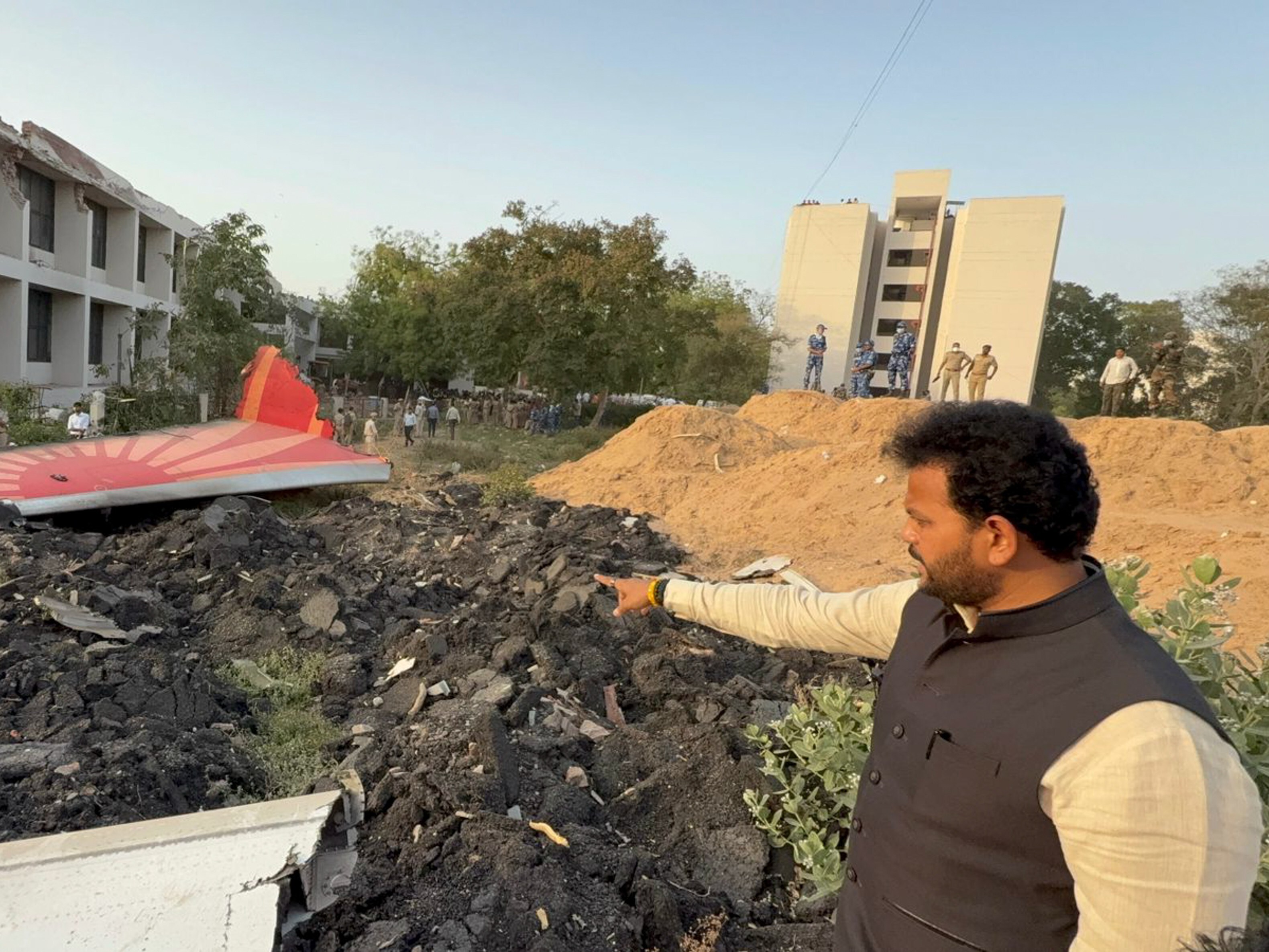
The Ministry of Civil Aviation is mulling a safety review of the domestic fleet of Dreamliners, following the devastating crash of an Air India Boeing 787-8 aircraft on Thursday, which claimed lives of 241 out of 242 people on board the London-bound flight—the deadliest air disaster globally in a decade.
The government is considering the possibility of temporarily grounding the existing fleet of Boeing 787-8 operated by Indian carriers as a precautionary measure, even as initial enquiry into safety concerns is underway, according to people familiar with the matter.
Talks are underway with multiple stakeholders, including the Tata Group carrier, Boeing India, the National Transportation Safety Board as well as the Federal Aviation Administration. A final decision on grounding will be made after the investigators' assessment of the crash, the people cited above said. Meanwhile, ensuring strict safety standards and ensuring security of flying passengers, remain "non-negotiable" priorities.
Authorities are also contemplating a comprehensive review of maintenance practices, with Air India—operator of 34 Dreamliners, the largest fleet among Indian carriers—potentially facing increased scrutiny.
NDTV Profit awaits responses from Air India.
Air India currently uses its fleet of 787-8s for long-haul international routes, including to the UK, North America and the Middle East. The airline is expected to receive another Dreamliner by the end of the year.
Overall, it has 20 additional 787s on order and a Letter of Intent for an additional 24 aircraft, according to data from aviation consultant Cirium.
The deadly crash of the nearly 12-year-old Air India Boeing 787-8 is also expected to prompt global authorities to scrutinise the Dreamliner's safety protocols as the investigation begins, especially in light of the multiple safety incidents involving its aircraft over the last few years.
NTSB, the US agency that investigates civil aviation accidents, said on Thursday that it would be leading a team of American investigators to India to assist in the investigation of the Air India Boeing 787 crash. As per international protocols under the International Civil Aviation Organisation, all information on the probe will be provided by the Indian government.
US Transportation Secretary Sean Duffy said at a news conference that Boeing and engine manufacturer GE Aerospace are also deploying their investigators to India.
"Safety is paramount...We're going to follow the facts where this investigation takes us, and we are working closely with the NTSB to investigate the cause of crash," Acting Federal Aviation Administration Head Chris Rocheleau said. "I had the opportunity to speak with my counterpart in India, the Director General of Civil Aviation, and offer him our full support as the investigation continues. As we proceed down this road with the investigation itself, if there's any information that becomes available to us regarding any risk, we will mitigate those risks."
Meanwhile, the Aircraft Accident Investigation Bureau is investigating the cause of the crash. A preliminary report is usually published within 30 days, while a final report with detailed findings can take several months.
The widebody 787 planes, one of the most modern passenger aircraft in service, have never had a fatal crash until this incident.

-
High US Salaries, No Green Card Certainty: The Financial Calculation Facing Indian H-1B Families

The suspension of PERM processing at eight technology employers does not cancel existing H-1B visas. What it does is force a question many Indian families have been avoiding: is the US salary worth tying your career and family plans to one employer?
-
Swiggy vs Eternal: Food Delivery's Two Rivals Are No Longer In The Same Race
Eternal is building a private AI assistant, dark.ai. Swiggy is still working out how to make Instamart pay, with an operating loss of Rs 895 crore in the July-September quarter while Blinkit stayed profitable.
-
Where You Live Shapes How You Get To Work | The Reason Why
Two-wheelers are the most popular way to get to work in India, accounting for nearly 43% of workplace commutes.
-
Unhedged Position: Can India See An Indonesia-Style Time Correction?
The Nifty is trading below levels it first clocked in 2024. Is there, then, as I have suggested in the headline, potential that the current time correction drags on painfully for the next three-five, even ten years?
-
Navigating Friction And Energy Realities: An Analysis Of Marco Rubio's October Visit To India
Occurring at a critical juncture marked by stalled trade negotiations and escalating geopolitical pressures over global energy supplies, the visit offers a profound window into modern US-India relations.
-
India Exports Capital. Why Not Export Trusteeship?
The big question, then, is whether India can build an institution that global borrowers, investors, banks, and lawyers can trust, even without an Indian connection.
-
France's Economy & Politics Are In Crisis | The Reason Why
Let's look at how the French economy and politics evolved under Nicolas Sarkozy, Franois Hollande and Emmanuel Macron.
-
You May Inherit The Business. You Must Earn Its Credibility.
Succession tests the founder's ability to share authority as much as it tests the next generation's readiness to assume it.
-
Signing Deals Is One Thing; Making Them Work Is Another | The Week In Whys
Sometimes, things don't turn out as planned. Indian companies have lost some bids to rivals, some projects won't produce until 2030.
-
FOMC Wall, PERM Suspension, Hospital Stocks | Talking Points This Week
A PERM suspension would directly affect green-card sponsorship rather than H-1B visas, so the near-term earnings impact could remain relatively limited. The key question is whether this marks a new phase in US scrutiny of Indian IT.









