Several Indian pharmaceutical companies, like Sun Pharmaceutical Industries Ltd., Lupin Ltd., and Dr Reddy's Laboratories Ltd. have announced their intention to develop obesity drugs.
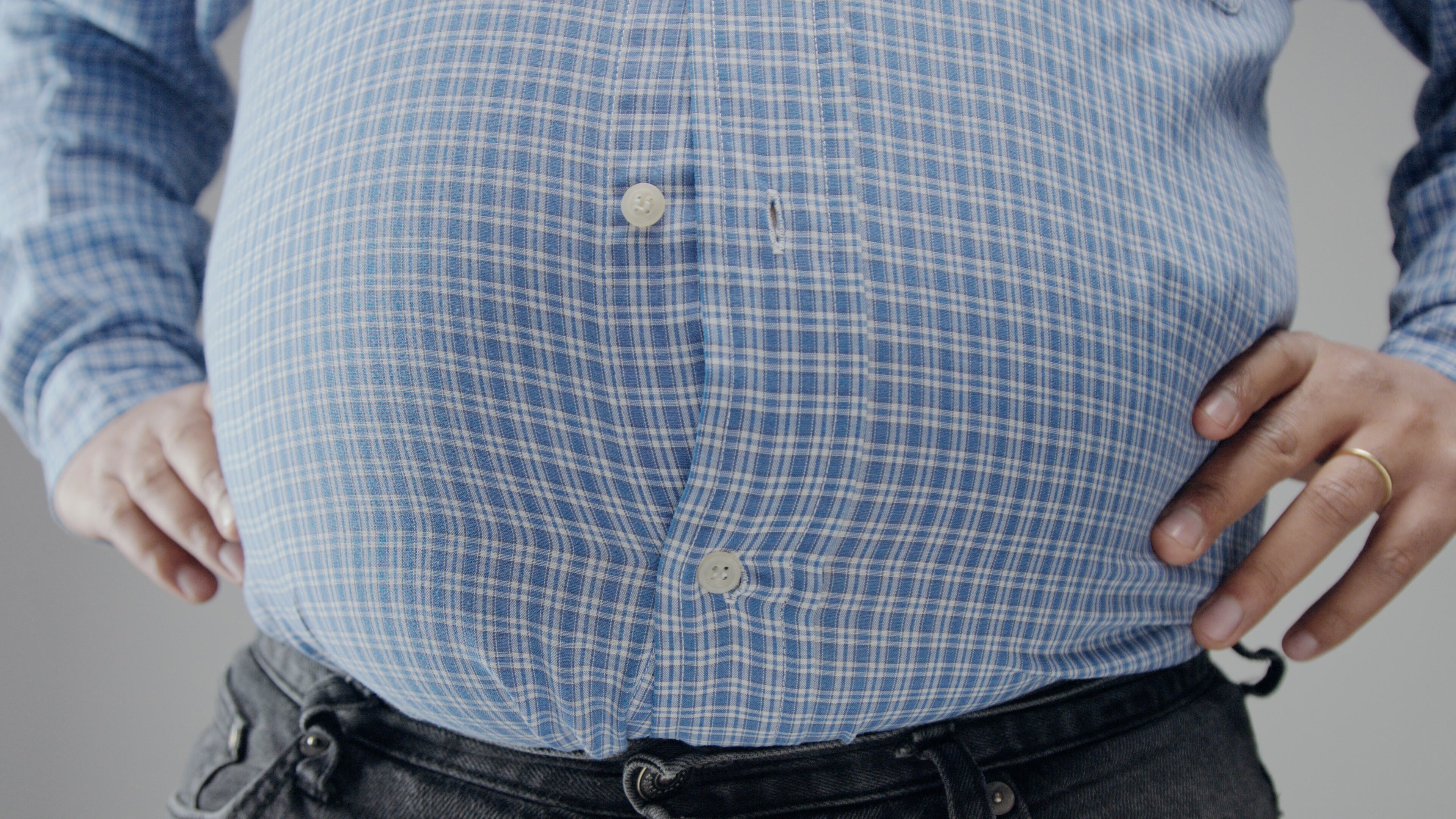
Obesity, the root cause of lifestyle diseases like diabetes, hypertension and heart ailments, is a glaring problem in India, with 44 million women and 26 million men suffering from it in 2022, according to a Lancet study.
The analysis by the NCD Risk Factor Collaboration, a global network of scientists, and the World Health Organisation also found that about 12.5 million children aged between five and 19 were overweight in the country in 2022.
Divi's Laboratories Ltd. has created capacity to support active-pharmaceutical-ingredient manufacturing for the final drug product.
However, pharma companies' vision may not transform into anything substantial, from a numbers point of view, in the near term, according to Vishal Manchanda, a pharma analyst with Systematix Group.
Which Indian Drugmaker May Stand To Gain?
Divi's Laboratories
There are currently two global players selling GLP-1 (diabetes and weight loss) drugs in the form of injectables globally—Novo Nordisk A/S and Eli Lilly and Co. The latter has announced its intention to enter India in 2025.
As per recent concalls, both innovators are facing capacity constraints, Manchanda said.
While the two innovators are adding capacity in a bid to ramp up production due to global demand, it may not be sufficient, according to Tausif Shaikh, India analyst, pharma and healthcare, at BNP Paribas.
Divi's Labs' announcement of having a dedicated capacity for producing the APIs for obesity products could, therefore, be an opportunity beyond the next financial year, according to Shaikh.
If Divi's Labs were to be awarded a contract, it would be to manufacture a small portion of the overall APIs required for Eli Lilly's drug. It could potentially stand to earn less than 1% of the overall revenue from the final product sale, Manchanda said.
Sun Pharmaceutical
Sun Pharmaceutical's innovative injectable drug in the GLP category for Type 2 diabetes could also be a potential gainer, Shaikh said.
The drug has currently completed the pre-clinical and phase-1 trials. It will take at least four to five years for Sun Pharma to develop this product, Manchanda said.
Dr Reddy's, Lupin
Both Dr Reddy's and Lupin have also announced interest in the space and are looking to develop the generic versions of the drugs.
However, in the near term, the companies cannot launch the generic version of products in the US because of patent protection, Shaikh said.
"Both of these companies will have to wait for patent expiry or challenge the patent to launch the drug. The earliest launch could be by 2026 if they can settle with the innovators or win the litigation. Otherwise, they'd have to wait until 2031 for patent expiry on the molecules," Manchanda said.
Drug Availability In India
Eli Lilly plans to launch its recently approved obesity drug and another diabetes drug in India by next year, Chief Executive Officer David Ricks reportedly said.
But there is a possibility of delay on this front due to capacity constraints faced by innovators. Manchanda said while both innovators have ramped up capacity, they may first choose to target more premium-earning markets over India.
Pricing in India is at a "tremendous discount" as compared to other developed markets, according to Abdulkader Puranwala, pharma analyst at ICICI Securities Ltd.
Shaikh said that despite announcing an increase in capacity, it would not be sufficient to enter the Indian market and would only serve their under-penetrated existing markets.
However, the earliest way for these drugs to come to India is through in-licencing, which could possibly be at the end of 2025 or early 2026, Shaikh said.
Manchanda said Eli Lilly usually partnered with Cipla Ltd. or Lupin to distribute its products in India in the past.
Global Outlook And Competition
The overall size of GLP-1 drugs (obesity and type 2 diabetes) is around $36 billion and it is expected to go up to $100 billion by 2030, according to BNP Paribas' global research team estimates.
India's anti-diabetic market today is close to Rs 180–190 billion. "So, the potential demand for these drugs is huge," Shaikh said.
However, the market will keep evolving and global drugmakers like Pfizer Inc. and Amgen Inc. are trying to develop oral solid dosage drugs for the ailment.
The current efficacy of Eli Lilly's weight-loss drug is in the range of 20–21% at a higher dosage. Other companies are trying to develop the drug with 25% efficacy and, therefore, this landscape seems to be evolving, Shaikh said.
Essential Business Intelligence, Continuous LIVE TV, Sharp Market Insights, Practical Personal Finance Advice and Latest Stories — On NDTV Profit.