New Delhi: LPG, kerosene, jewellery and currency are among the common use items that have been
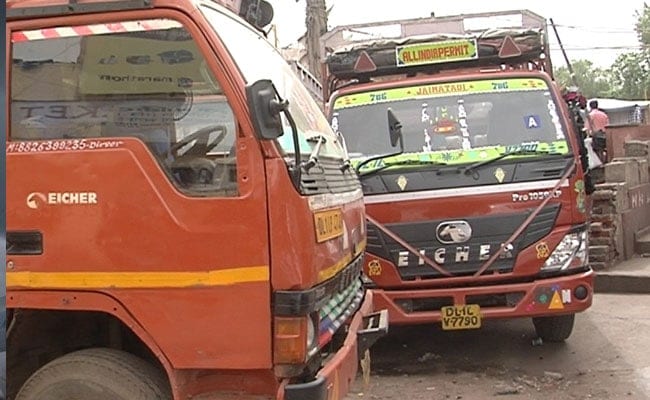
exempted from the requirement of obtaining electronic permits for transportation under the GST (Goods and Services Tax) regime. Rolled out from July 1, the new indirect tax regime mandates obtaining permits called e-way bills for transporting goods consignments of more than Rs 50,000 in value with a view to check tax evasion. A senior Finance Ministry official said the GST Council
in its last meeting on August 5 approved a list of 153 items that have been exempted from the requirement of obtaining e-way bills.
These include domesticated animals like live bovine animals, swine and fish, fruits and vegetables, fresh milk, honey, seeds, cereals and flour.
Also exempted is movement of betel leaves, non-alcoholic toddy, raw silk, khadi, earthen pot and clay lamps, 'puja samagri' and hearing aids.
Human hair, semen including frozen semen, condoms and contraceptives have also been exempted.
The official said cooking gas (LPG) for supply to households and kerosene for sale under the public distribution system (PDS) too have been exempted from the requirement of getting the consignment registered online before moving them.
On the exempt list is also postal baggage as also currency, jewellery and used personal and household effects, he said.
The e-way bill is also not required if goods are transported by non-motorised conveyances. Goods transported from international ports to hinterland ports for clearance by customs have been exempted from the requirement.
The electronic permit would have to be generated when consignment value exceeds Rs 50,000 and is optional if the value is less than that.
The provision would kick-in from a date to be notified by the central government after the backbone software for generating such permits is ready by the National Informatics Centre (NIC), which is likely by October.
Such a permit has to detail the goods being transported, the mode used, origin and destination besides details of the supplier, recipient and transporter.
The official said there is no need of conveyance details when the distance of transport is less than 10 km within a state.
The e-way bills, which can be checked by designated tax officials by intercepting a transporting vehicle, are aimed at helping authorities keep track of goods and inter-state commerce.
This is particularly useful when most states have dismantled border check posts that operated under the previous indirect tax administrations, thereby reducing the time needed for the movement of goods across states.
Essential Business Intelligence, Continuous LIVE TV, Sharp Market Insights, Practical Personal Finance Advice and Latest Stories — On NDTV Profit.