Centre Forms Panel To Assess Airline Losses from Pakistan Airspace Ban
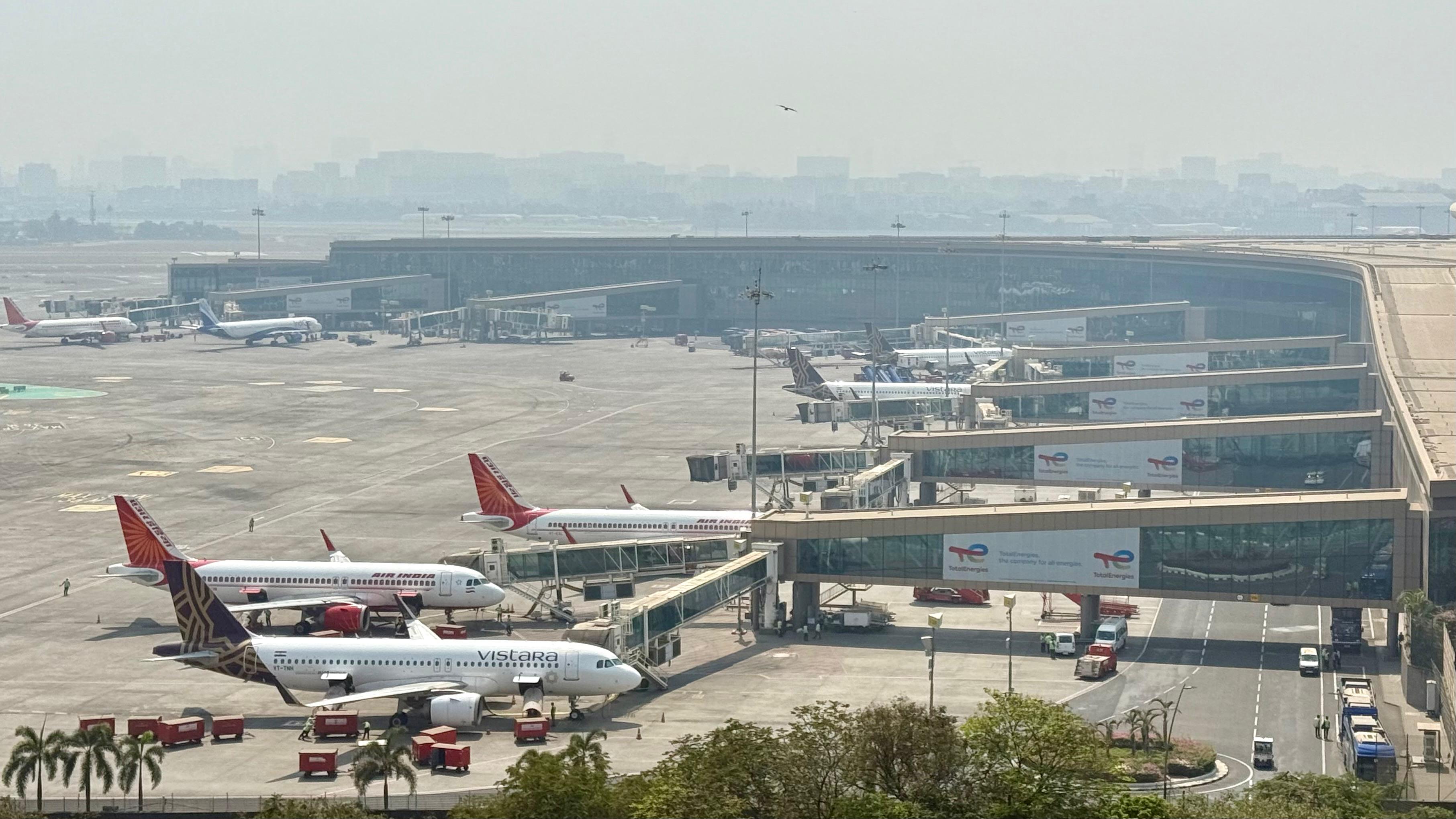
The Ministry of Civil Aviation has formed a committee to assess the financial impact on airlines resulting from the ban on Pakistani airspace, according to people in the know. The panel will suggest relief measures to mitigate the impact on the financially stressed airline sector.
"The feedback received from the industry is currently being studied in detail, and based on this, specific relief measures will be announced," sources told NDTV Profit. Various measures, including possible tax exemption and subsidies, have been proposed by airline representatives.
Pakistan airspace is crucial and is vastly used by the Indian airlines. After Pakistan shut its airspace to the country's carriers in a tit-for-tat retaliation following the Pahalgam terror attack, the carriers, including Air India and IndiGo, are facing higher fuel costs and longer journey times, especially for west-bound flights from northern regions like New Delhi.
The airspace restriction impacts Air India, IndiGo, Akasa Air and SpiceJet, which collectively operate a fleet of over 800 aircraft. However, Air India is the worst hit and faces costlier detours as it operates more long-haul widebody flights to the United States and Europe than peer IndiGo. Many of Air India's long-haul routes, including flights to New York, Chicago, San Francisco, and Newark, now require technical stops—typically in Vienna—for refuelling.
IndiGo had earlier said that it has been forced to take alternative extended routes for at least 50 international destinations and suspend its operations in part of Central Asia, such as Almaty and Tashkent, due to Pakistan's closure of its airspace to Indian carriers.
Last week, Civil Aviation Minister Ram Mohan Naidu had asked airlines to assess the financial impact. In response to that, Air India had said it expects to face about Rs 5,000 crore in additional costs if the ban lasts for a year. IndiGo projected additional expenses of Rs 1,300 crore, while other airlines, including SpiceJet, pegged increased costs of about Rs 700 crore.
Sources said that the government will thoroughly assess the impact based on airlines' additional fuel consumption before deciding on financial relief.
For now, the Directorate General of Civil Aviation has only extended support to Air India by granting a two-week exemption from flight rest and duty rules for ultra-long-haul flights to manage disruptions caused by the airspace ban.
Consequently, pilots flying to 28 destinations like Washington DC, New York, San Francisco, Newark, and Chicago will have to work longer. The duty period raised from 14 to 16 hours for a 12-hour flight and 22 to 24 hours for over 14 hours of flight. Pilots argue that longer flight times are causing increased workloads and fatigue. However, the airline said it is offering additional rest of four hours at layovers and 12 hours on return to address fatigue.

-
Ten Things I Learnt This Samvat

Patience can be a trap. Cheap stocks can stay cheap. Leverage can wipe you out. What did Samvat 2082 teach us? Niraj Shah writes on 10 lessons from the year gone by.
-
Talking Points This Week: Tech Nerves, FII Buying, And A Faraway Banking Shock
The global markets are not shining this Diwali. The exception in the large markets is, India.
-
Midterm Rally Lasted A Day. The Hard Reality Of A Divided US May Last Two Years | Opinion
Between a contested AI boom, a debt ceiling that arrives in 2027 and a president with every incentive to act alone, the next two years may prove more volatile than the first day's rally suggests.
-
Blue Wave Will Derail the AI Trade but Won't Dismantle the AI Era | Unhedged Position
The Democrats' sweep of the US Congress will see politics collide with economic forces both over the long and short term.
-
It's Time To Take The GST Council's Bet On Trust Global
Payment records can prove India's services exports, and clear, proportionate rules can bring foreign digital sellers into the tax net.
-
Opinion | India at 38: From Innovation Overperformer to Innovation Powerhouse
India now has 453 VC-backed deep science startups, 18 of them late-stage, after 117 percent growth since 2020. Laurus Labs, at USD 9.3 billion, is the most valuable deep science company in any middle-income economy outside China.
-
Navigating Energy Crossroads: S Jaishankar's Call For Diversified Supply Chains At G20 Ministerial Meeting
As geopolitical fault lines continue to test maritime trade routes and commodity flows, Jaishankar's message remains pertinent: true economic resilience requires open markets, protected transit lines, and a genuine commitment to multilateral cooperation rather than coercion.
-
Indians Are Travelling, But Not Every Journey Is A Holiday | The Week In Whys
Pilgrims, patients and working women are the real travellers, and the system hasn't quite caught up with them.
-
Getting To Work Costs Women More | The Reason Why
It is not just about women paying more than men. It is about women paying much more in cities than in villages.









