DA Hike: Government Approves 3% Increase In Dearness Allowance For Central Government Employees
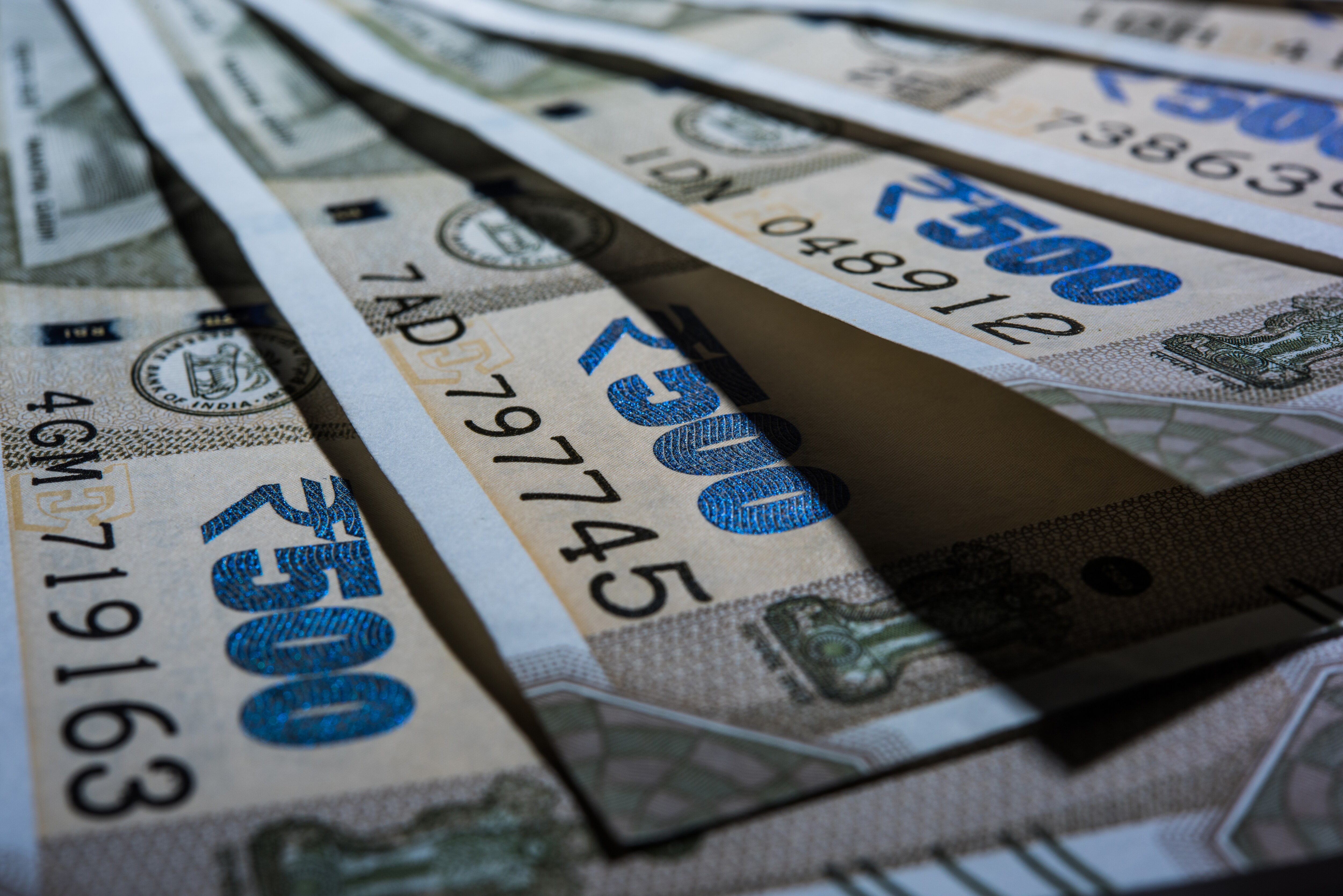
Central government employees and pensioners are set to receive a Diwali bonus. The Union Cabinet has approved a 3% increase in dearness allowance (DA) and dearness relief (DR) during its meeting on Wednesday, announced Union Minister Ashwini Vaishnaw.
This increase is in accordance with the accepted formula, which is based on the recommendations of the 7th Central Pay Commission. The combined impact on the exchequer on account of both DA and DR would be Rs 9,448.35 crore per annum.
This will benefit about 49.18 lakh central government employees and 64.89 lakh pensioners.
This decision confirms the report from NDTV Profit last week, which cited employee unions anticipating the DA and DR hike. Although a revision was expected to be approved in the Cabinet's meeting on Oct. 9, employees and pensioners had to wait a bit longer for confirmation.
The new increase raises the DA from 50% to 53% of the basic salary, effective from July1, 2024. The revision will cost the exchequer Rs 9,448 crore annually. This biannual adjustment, which affects approximately one crore employees and pensioners, aims to alleviate the impact of inflation.
Earlier this year in March, the government had increased the dearness allowance by 4%, effective from January 2024. The last revision had raised the allowance from 46% to 50% of the basic pay.
The DA is calculated based on the average of the All India Consumer Price Index over the past 12 months, making it a vital factor in determining government salaries and pensions.
According to the 7th Pay Commission report, several allowances, including house rent allowance (HRA), are eligible for automatic revision once the DA reaches 50% of basic pay. These allowances were adjusted earlier this year, as confirmed by the Confederation of Central Government Employees. However, there has been no increase in the basic pay, as such a recommendation was not included in the final 7th Pay Commission report.
In public sector employment, basic salaries are determined according to established pay scales, with various additional components calculated against the basic salary to arrive at the final take-home pay. The dearness allowance is one of the key components in this calculation.

-
Signature Play: The Classic Cocktail Is Dead. Or Is It?

Classic cocktails are disappearing from India's cocktail menus. But they're still being ordered, taught to bartenders and borrowed from. So, who's really having the last drink?
-
A New Samvat Wishlist: Inclusive Prosperity And Human Development
India has strengthened its economic foundations through infrastructure, digital access and enterprise. Its next growth chapter must deepen productivity, create better livelihoods and widen participation in prosperity.
-
Love, Sex Aur Dhokha: The Audacious Plot To Spy On Jensen Huang
A Taipei dinner, a Singapore chip buyer and a suspected Chinese asset: inside the alleged spy operation that got close to NVIDIA's Jensen Huang.
-
Ten Things I Learnt This Samvat
Patience can be a trap. Cheap stocks can stay cheap. Leverage can wipe you out. What did Samvat 2082 teach us? Niraj Shah writes on 10 lessons from the year gone by.
-
Talking Points This Week: Tech Nerves, FII Buying, And A Faraway Banking Shock
The global markets are not shining this Diwali. The exception in the large markets is, India.
-
Midterm Rally Lasted A Day. The Hard Reality Of A Divided US May Last Two Years | Opinion
Between a contested AI boom, a debt ceiling that arrives in 2027 and a president with every incentive to act alone, the next two years may prove more volatile than the first day's rally suggests.
-
Blue Wave Will Derail the AI Trade but Won't Dismantle the AI Era | Unhedged Position
The Democrats' sweep of the US Congress will see politics collide with economic forces both over the long and short term.
-
It's Time To Take The GST Council's Bet On Trust Global
Payment records can prove India's services exports, and clear, proportionate rules can bring foreign digital sellers into the tax net.
-
Opinion | India at 38: From Innovation Overperformer to Innovation Powerhouse
India now has 453 VC-backed deep science startups, 18 of them late-stage, after 117 percent growth since 2020. Laurus Labs, at USD 9.3 billion, is the most valuable deep science company in any middle-income economy outside China.









