Commerce Secretary Sunil Barthwal on Friday held a meeting with concerned stakeholders and departments to discuss the impact of Iran-Israel conflict on India's trade and the actions needed to normalise it, according to government sources.
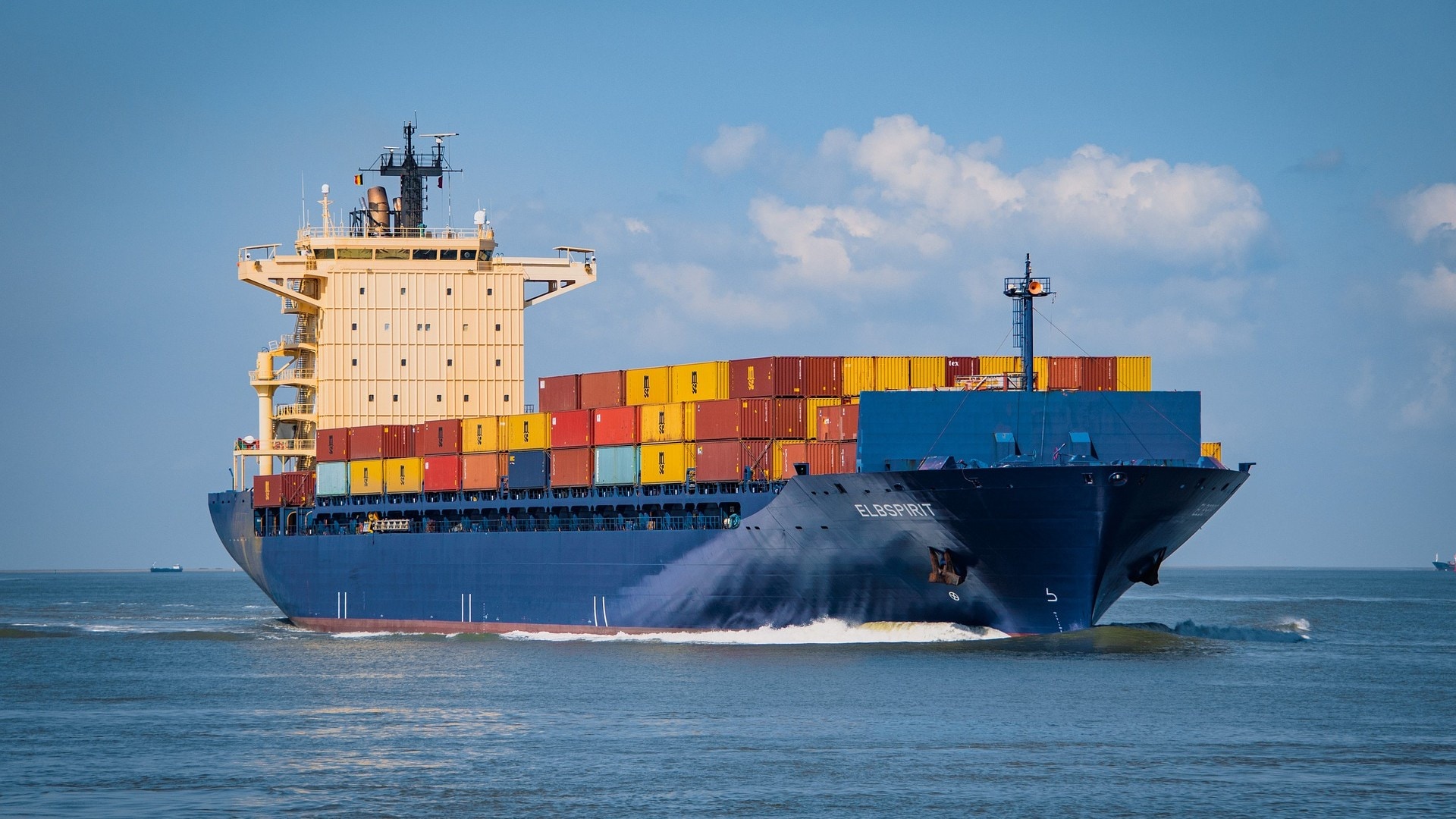
Stakeholders from shipping and air-cargo sectors, during the meeting, said that the situation in the Strait of Hormuz is currently stable. The ship reporting system was also found to be in place to monitor any incidents, while freight and insurance rates are also being closely monitored.
The secretary added that India must continue exploring all possible alternatives in response to the situation.
Meanwhile, Federation of Indian Export Organisations' DG and CEO Ajay Sahai told NDTV that the Iran-Israel war has hit bilateral trade, with India's export of Basmati Rice declining by around 35% due to the war. Last year, India exported Basmati Rice worth Rs 6,000 crore to Iran.
Tea exports to Iran have also come to a near standstill, with exports worth Rs 700 crore last year. The depreciation of the Iranian currency has reduced the purchasing power of average Iranian citizens, Sahai said.
The ongoing wars globally have led to a decline in demand for non-essential luxury goods in the European market, affecting Indian exports of carpets and other luxury items.
NDTV Profit had earlier reported that India's trade with the two countries, at about $3.8 billion combined in fiscal 2025, is notable, but the real danger lies in India's dependence on vulnerable chokepoints for energy and trade.
While India doesn't import oil directly from Iran, nearly two-thirds of India's crude oil and half of its LNG imports pass through the Strait of Hormuz, which Iran has now threatened to close. Any disruption could spike global oil prices, inflate shipping and insurance costs, and intensify pressure on India's inflation and fiscal balance.
Essential Business Intelligence, Continuous LIVE TV, Sharp Market Insights, Practical Personal Finance Advice and Latest Stories — On NDTV Profit.