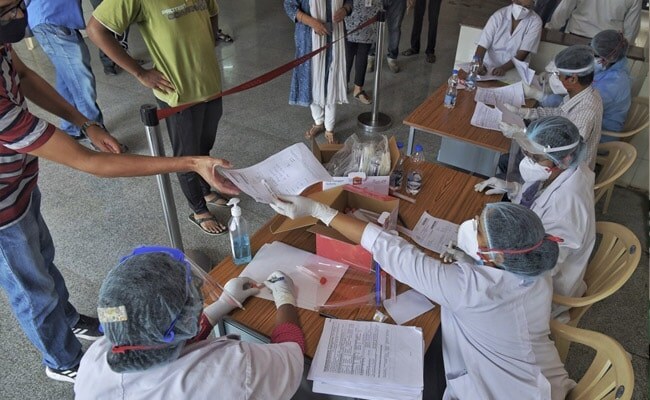
The Asian Development Bank (ADB) on Tuesday approved a $1.5 billion loan to India to help fund its response to the novel coronavirus disease (COVID-19) pandemic, including support for immediate priorities such as disease containment and prevention, as well as social protection for the poor and economically vulnerable sections of the society, especially women and disadvantaged groups.
In an official release, ADB President Masatsugu Asakawa said, “ADB is fully committed to supporting the Government of India in its response to this unprecedented challenge,"
“The quick-disbursing fund is part of a larger package of support that ADB will provide in close coordination with the government and other development partners. We are determined to support India's COVID-19 response programs and ensure that they provide effective support to the people of India, especially the poor and vulnerable," the release also quoted him as saying.
ADB has launched a programme named COVID-19 Active Response and Expenditure Support (CARES) aimed at contributing directly to the improvement of access to health facilities and care, as well as social protection for more than 80 crore people, including families below the poverty line, farmers, health care workers, women, senior citizens, people with disabilities, low wage earners, and construction workers.
The CARES Program is funded through the COVID-19 pandemic response option (CPRO) under ADB's Countercyclical Support Facility. CPRO was established as part of ADB's $20 billion expanded assistance for developing member countries' COVID-19 response, which was announced on 13 April.
The CARES Program will be provided with a $2 million technical assistance grant to support the government to strengthen its operational framework and efficient targeting, delivery, and monitoring and evaluation of its pro-poor economic package, as well as its health sector and social protection interventions.
In the medium term, ADB also plans to support government efforts and coordinate with other development partners to stimulate the economy, build capacity for monitoring and evaluation of government programs, and improve economic resilience against future shocks, the release said.
The plan would include the economic recovery of affected industries and entrepreneurs through better access to finance for micro, small, and medium-sized enterprises; a credit enhancement facility for infrastructure projects; and the strengthening of public service delivery at national and state levels.
Essential Business Intelligence, Continuous LIVE TV, Sharp Market Insights, Practical Personal Finance Advice and Latest Stories — On NDTV Profit.