Covid-19 Global Health Emergency Is Over After Three Years
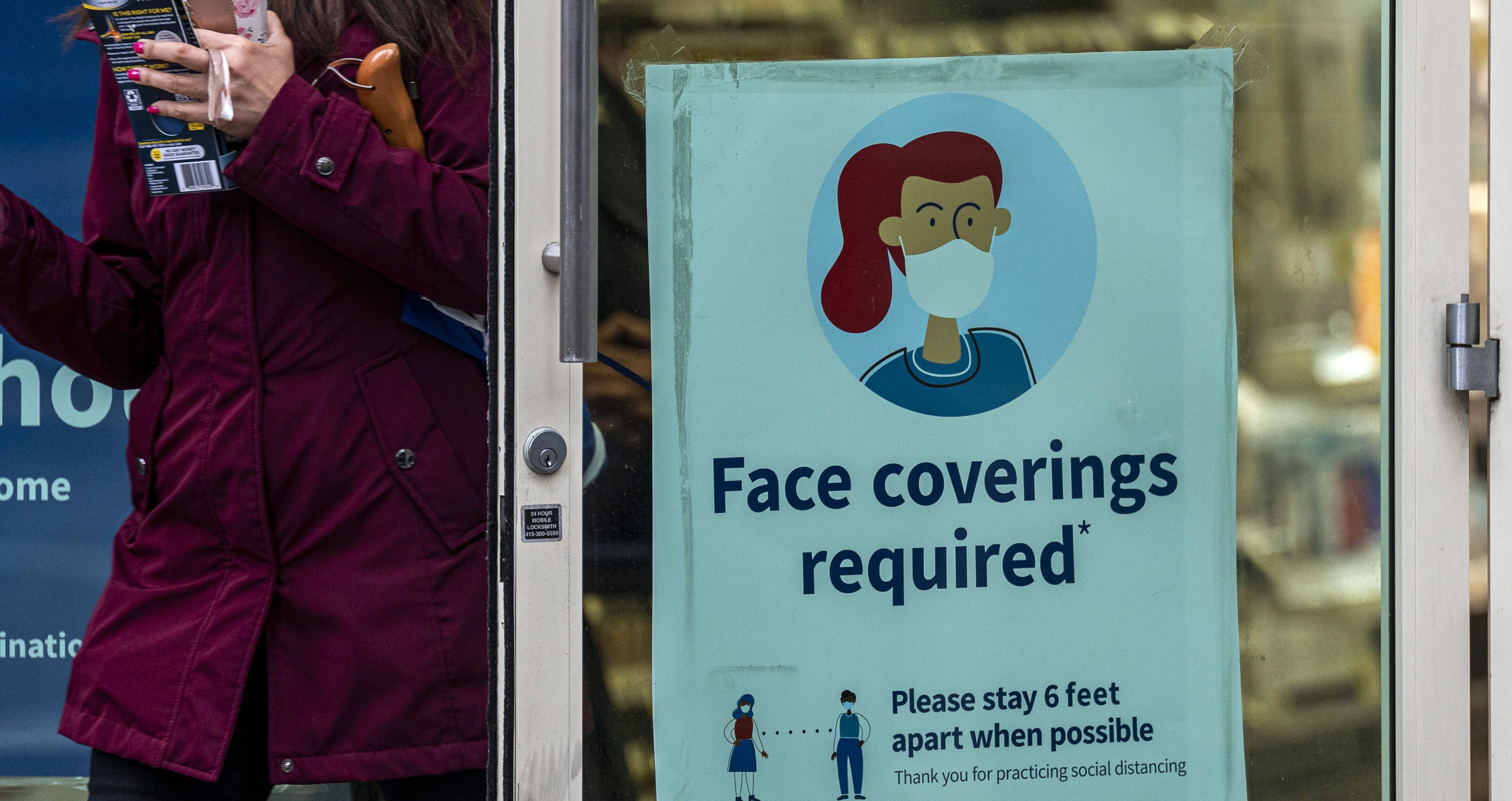
(Bloomberg) -- Covid-19 no longer constitutes a global health emergency, the World Health Organization said, lowering its alert level three years after the novel coronavirus began killing millions of people as it swept across the world.
The WHO said Friday it's time to transition to long-term management of the pandemic after a panel met Thursday to discuss the recent evolution of the disease.
The move is largely symbolic, given that most countries have returned to normal social behaviors, relaxing lockdowns and masking guidelines while reopening borders to travel. Still, three years of emergency measures leave behind a world that would be unrecognizable to pre-pandemic observers in a multitude of ways, with Zoom calls and working from home becoming routine.
Covid has resulted in at least 20 million deaths worldwide, WHO Director-General Tedros Adhanom Ghebreyesus said Friday, adding that last week it was still killing one person every three minutes.
The disease has killed roughly one in 400 people, with the death toll including former US Secretary of State Colin Powell, songwriter John Prine, onetime presidential candidate Herman Cain, actresses Cloris Leachman and Dawn Wells, music producer Phil Spector and former New York Mets pitcher Tom Seaver.
The WHO had declared Covid-19 a public health emergency of international concern in late January 2020, as infections began spreading from the original epicenter of Wuhan, China. At the time, there was still considerable uncertainty about the disease's deadliness and how infections were transmitted.
The emergency status known as PHEIC — pronounced “fake” — applies to an extraordinary event that carries a public-health risk via the global spread of a disease, and one that potentially requires a coordinated response.
Still a Pandemic
The WHO is still using the word “pandemic” to describe the disease, and Tedros highlighted the risk that Covid-19 could become more dangerous again through mutations.
“This virus is here to stay,” he said. “The worst thing any country could do now is to use this news as a reason to let down its guard, to dismantle the systems it has built, or to send the message to its people that Covid-19 is nothing to worry about.”
Mike Ryan, the WHO's head of emergency programs, said the world needs to prepare better for pandemics and to reduce inequities in health coverage.
“We saw people in this pandemic literally bartering for oxygen canisters in the street of major cities,” he said in a press briefing. “This is the 21st century — is that what we want to witness in the next pandemic? We saw family members physically fighting to get their loved ones into a hospital bed. We saw people die before they got to the emergency rooms because they were in car parks. That's the reality of our health systems and our preparedness.”
Tedros said he wouldn't hesitate if necessary to reconvene an emergency committee if Covid-19 becomes a bigger global danger again.
The US is preparing to end its public health emergency May 11 as Covid infections return to levels seen at the outbreak's beginning in 2020.
(Updates with background from third paragraph)
More stories like this are available on bloomberg.com
©2023 Bloomberg L.P.

-
Ten Things I Learnt This Samvat

Patience can be a trap. Cheap stocks can stay cheap. Leverage can wipe you out. What did Samvat 2082 teach us? Niraj Shah writes on 10 lessons from the year gone by.
-
Talking Points This Week: Tech Nerves, FII Buying, And A Faraway Banking Shock
The global markets are not shining this Diwali. The exception in the large markets is, India.
-
Midterm Rally Lasted A Day. The Hard Reality Of A Divided US May Last Two Years | Opinion
Between a contested AI boom, a debt ceiling that arrives in 2027 and a president with every incentive to act alone, the next two years may prove more volatile than the first day's rally suggests.
-
Blue Wave Will Derail the AI Trade but Won't Dismantle the AI Era | Unhedged Position
The Democrats' sweep of the US Congress will see politics collide with economic forces both over the long and short term.
-
It's Time To Take The GST Council's Bet On Trust Global
Payment records can prove India's services exports, and clear, proportionate rules can bring foreign digital sellers into the tax net.
-
Opinion | India at 38: From Innovation Overperformer to Innovation Powerhouse
India now has 453 VC-backed deep science startups, 18 of them late-stage, after 117 percent growth since 2020. Laurus Labs, at USD 9.3 billion, is the most valuable deep science company in any middle-income economy outside China.
-
Navigating Energy Crossroads: S Jaishankar's Call For Diversified Supply Chains At G20 Ministerial Meeting
As geopolitical fault lines continue to test maritime trade routes and commodity flows, Jaishankar's message remains pertinent: true economic resilience requires open markets, protected transit lines, and a genuine commitment to multilateral cooperation rather than coercion.
-
Indians Are Travelling, But Not Every Journey Is A Holiday | The Week In Whys
Pilgrims, patients and working women are the real travellers, and the system hasn't quite caught up with them.
-
Getting To Work Costs Women More | The Reason Why
It is not just about women paying more than men. It is about women paying much more in cities than in villages.









