What The Fed Moves Mean For Interest Rates In Australia, Asia
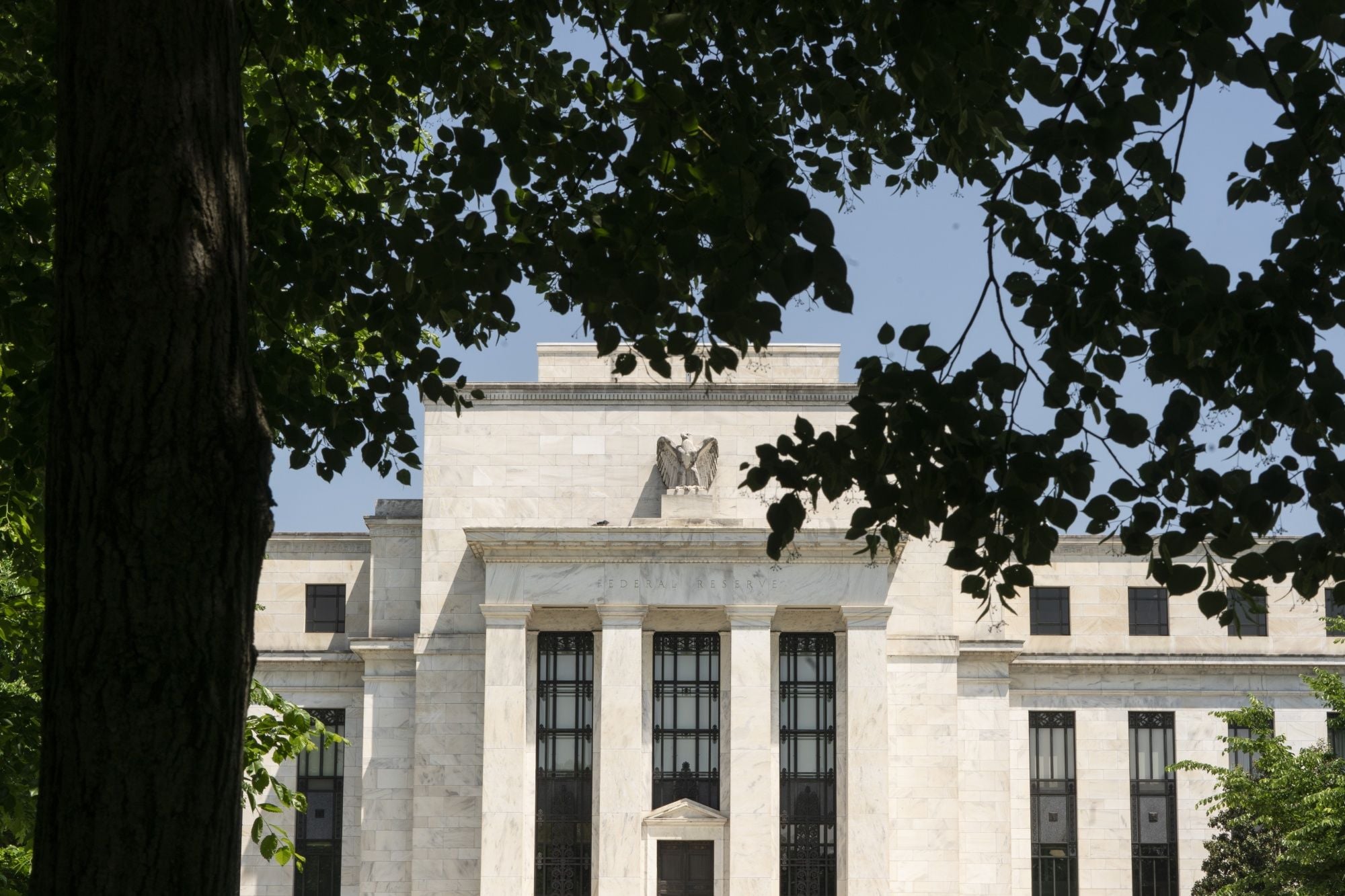
(Bloomberg) -- Investors are increasingly convinced that central banks across Asia will follow the Federal Reserve in swiftly closing out this policy tightening cycle and are bracing for interest-rate cuts later this year.
Australia, which serves as a proxy for risk sentiment across the region, snuck in a surprise rate hike less than 40 hours before Powell & Co. delivered what very well could be their last of this cycle. Overnight index swaps show investors expect a quick end to the Aussie hikes.

Malaysia notched a one-and-done rate increase for this year less than a half a day before the Fed. And policymakers in the Philippines last week said they're ready to lower their inflation forecasts, which means less pressure to stay on the tightening path.
For Indonesia and South Korea, which have already paused their hiking campaigns, the cuts could be nearer. Bloomberg Economics sees Indonesia cutting before year-end amid a resilient rupiah, and the country's 2-year bond yields fell in Wednesday's session to their lowest since February. Traders bet Korea could cut within 12 months.
There is an exception: New Zealand's central bank is seen hiking rates again on May 24 before pausing for the remainder of 2023.
Traders are looking at signs of a global downturn, including the weakness in China's export-oriented data — like its unexpected manufacturing purchasing managers index drop — as signals of a steep decline in demand across the global economy.
The bets are showing up in rallying US Treasuries and commodity markets. Crude and copper prices are reflecting estimates that a crash in orders is on the horizon, with the Bloomberg Commodity Index at its lowest since June 2022.

Morgan Stanley economists see inflation across much of Asia returning to policymakers' comfort zones as inflation decelerates, allowing central banks in the region to begin cutting interest rates in the final three months of this year.
More stories like this are available on bloomberg.com
©2023 Bloomberg L.P.

-
Ten Things I Learnt This Samvat

Patience can be a trap. Cheap stocks can stay cheap. Leverage can wipe you out. What did Samvat 2082 teach us? Niraj Shah writes on 10 lessons from the year gone by.
-
Talking Points This Week: Tech Nerves, FII Buying, And A Faraway Banking Shock
The global markets are not shining this Diwali. The exception in the large markets is, India.
-
Midterm Rally Lasted A Day. The Hard Reality Of A Divided US May Last Two Years | Opinion
Between a contested AI boom, a debt ceiling that arrives in 2027 and a president with every incentive to act alone, the next two years may prove more volatile than the first day's rally suggests.
-
Blue Wave Will Derail the AI Trade but Won't Dismantle the AI Era | Unhedged Position
The Democrats' sweep of the US Congress will see politics collide with economic forces both over the long and short term.
-
It's Time To Take The GST Council's Bet On Trust Global
Payment records can prove India's services exports, and clear, proportionate rules can bring foreign digital sellers into the tax net.
-
Opinion | India at 38: From Innovation Overperformer to Innovation Powerhouse
India now has 453 VC-backed deep science startups, 18 of them late-stage, after 117 percent growth since 2020. Laurus Labs, at USD 9.3 billion, is the most valuable deep science company in any middle-income economy outside China.
-
Navigating Energy Crossroads: S Jaishankar's Call For Diversified Supply Chains At G20 Ministerial Meeting
As geopolitical fault lines continue to test maritime trade routes and commodity flows, Jaishankar's message remains pertinent: true economic resilience requires open markets, protected transit lines, and a genuine commitment to multilateral cooperation rather than coercion.
-
Indians Are Travelling, But Not Every Journey Is A Holiday | The Week In Whys
Pilgrims, patients and working women are the real travellers, and the system hasn't quite caught up with them.
-
Getting To Work Costs Women More | The Reason Why
It is not just about women paying more than men. It is about women paying much more in cities than in villages.









