Targets Set By PM Modi Hard To Achieve: U.S. Trade Representative
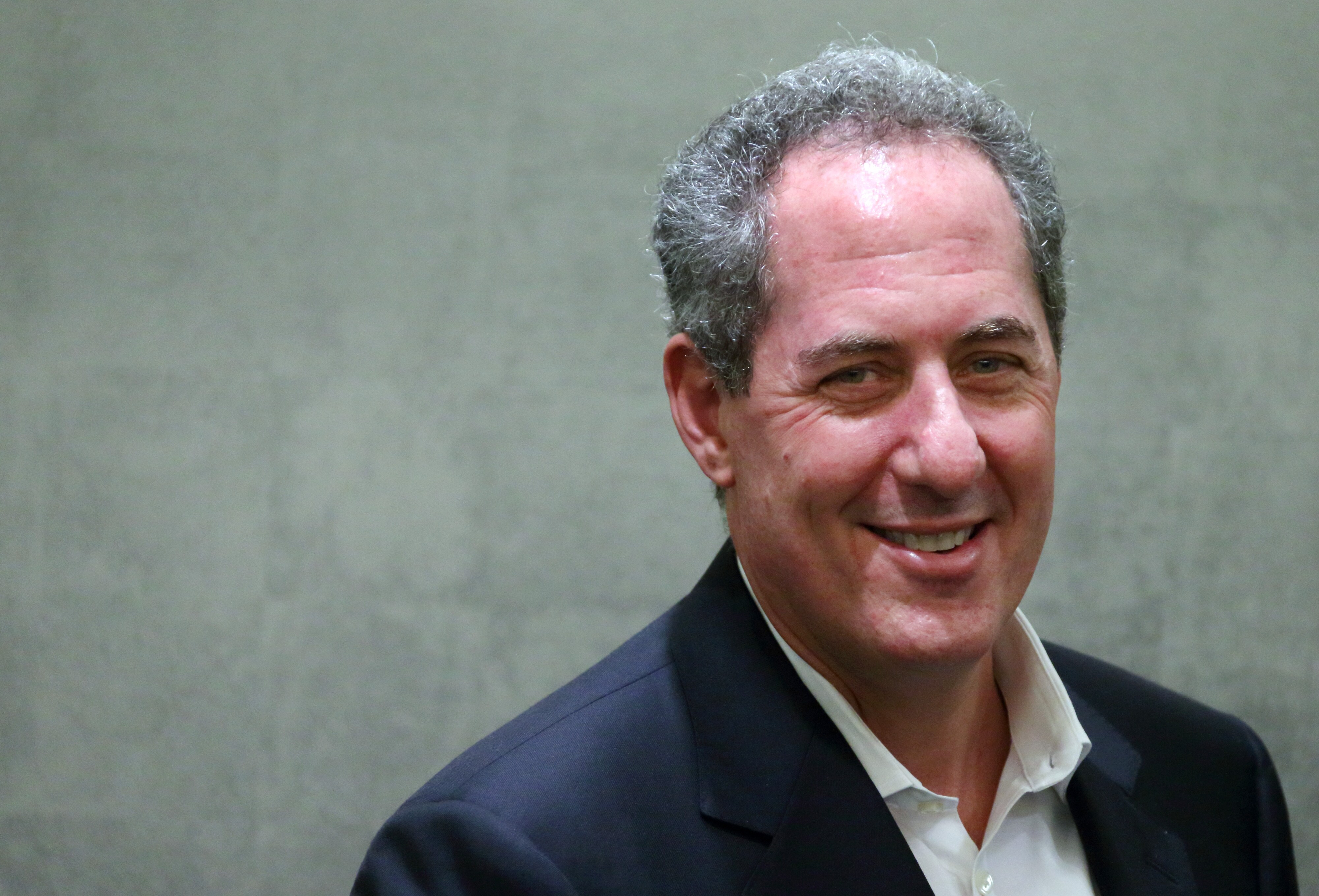
Highlighting the depth of trade relations between India and the United States, the United States Trade Representative Michael Froman said on Thursday that the two countries need to further bolster trade and investment in a mutually beneficial way.
One of the key architects of India-U.S. trade relationship in the Obama administration, Froman pointed out that India's $30 billion trade surplus with the United States is the highest with any country, while addressing students at the University of Chicago Centre in Delhi.
Linking the growth in bilateral trade between the two countries to reforms and economic liberalisation, he said that as India opens up to further trade and investment in retail, financial services and the digital marketplace, the relationship will expand further. He praised India's reform agenda under the Narendra Modi government and said it has not been an easy one so far.
There have been a number of important reforms - the Goods and Services Tax Bill, the Bankruptcy Law, the creation of commercial courts, the issuance of a national IP strategy, the opening of certain sectors to investment – that are important and help contribute to a better business environment.Michael Froman, United States Trade Representative
Noting that India's rankings in the global competitiveness index has risen significantly, he said work on improving the business environment should continue.
Froman said India had been successful in increasing its growth rate, and is now one of the fastest growing economies in the world. The U.S. has a direct interest in India's aim to achieve economic growth,” he added.
The Trade Policy Forum is the premier bilateral forum for discussion and resolution of trade and investment issues between the two countries.
It has five focus groups: agriculture, investment, innovation and creativity (intellectual property rights), services, and tariff and non-tariff barriers.
The bilateral trade between the countries stood at $109 billion in 2015-16.

-
Ten Things I Learnt This Samvat

Patience can be a trap. Cheap stocks can stay cheap. Leverage can wipe you out. What did Samvat 2082 teach us? Niraj Shah writes on 10 lessons from the year gone by.
-
Talking Points This Week: Tech Nerves, FII Buying, And A Faraway Banking Shock
The global markets are not shining this Diwali. The exception in the large markets is, India.
-
Midterm Rally Lasted A Day. The Hard Reality Of A Divided US May Last Two Years | Opinion
Between a contested AI boom, a debt ceiling that arrives in 2027 and a president with every incentive to act alone, the next two years may prove more volatile than the first day's rally suggests.
-
Blue Wave Will Derail the AI Trade but Won't Dismantle the AI Era | Unhedged Position
The Democrats' sweep of the US Congress will see politics collide with economic forces both over the long and short term.
-
It's Time To Take The GST Council's Bet On Trust Global
Payment records can prove India's services exports, and clear, proportionate rules can bring foreign digital sellers into the tax net.
-
Opinion | India at 38: From Innovation Overperformer to Innovation Powerhouse
India now has 453 VC-backed deep science startups, 18 of them late-stage, after 117 percent growth since 2020. Laurus Labs, at USD 9.3 billion, is the most valuable deep science company in any middle-income economy outside China.
-
Navigating Energy Crossroads: S Jaishankar's Call For Diversified Supply Chains At G20 Ministerial Meeting
As geopolitical fault lines continue to test maritime trade routes and commodity flows, Jaishankar's message remains pertinent: true economic resilience requires open markets, protected transit lines, and a genuine commitment to multilateral cooperation rather than coercion.
-
Indians Are Travelling, But Not Every Journey Is A Holiday | The Week In Whys
Pilgrims, patients and working women are the real travellers, and the system hasn't quite caught up with them.
-
Getting To Work Costs Women More | The Reason Why
It is not just about women paying more than men. It is about women paying much more in cities than in villages.









