US Core Inflation Eases For First Time In Six Months
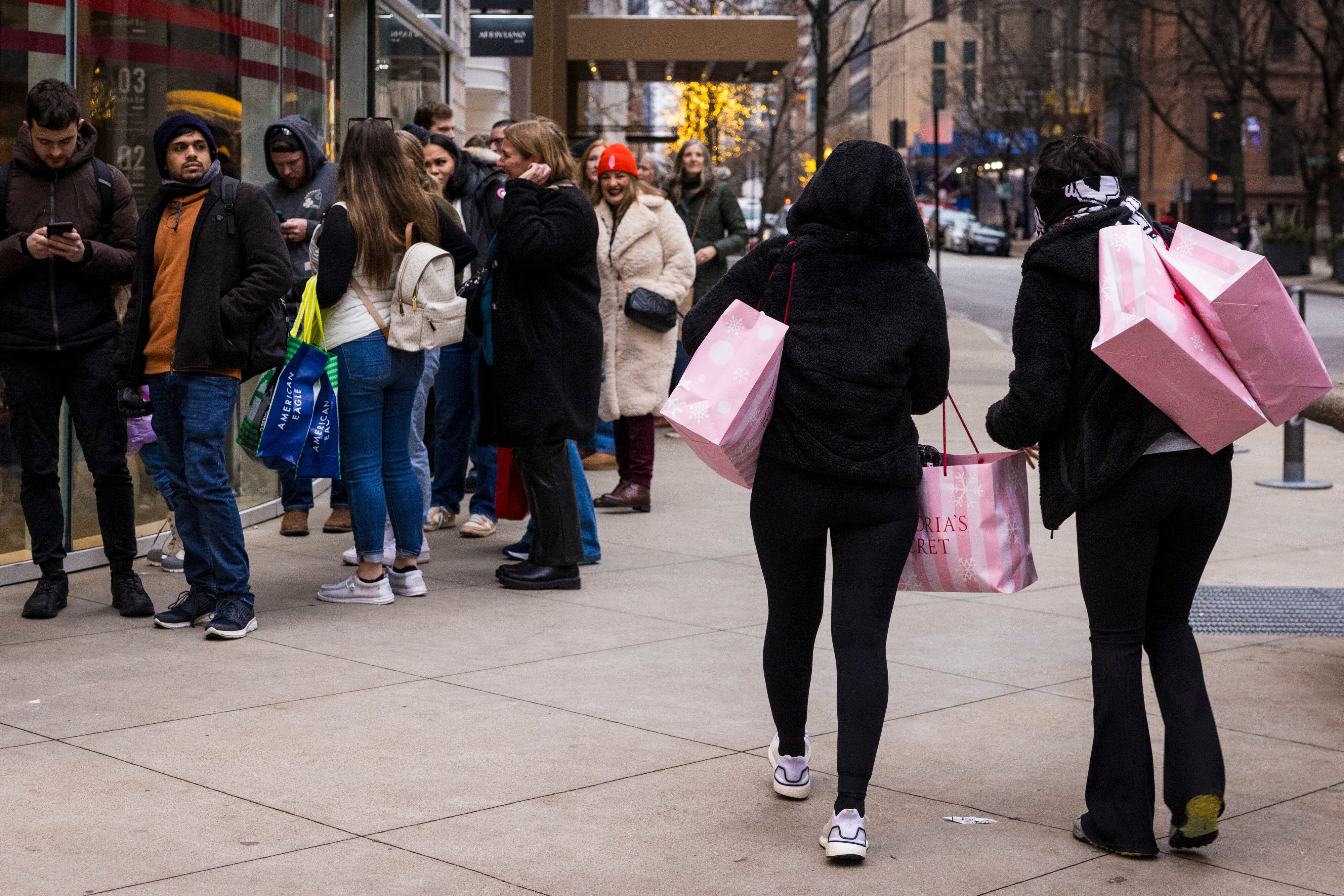
US consumer prices rose in December by less than forecast after months of faster underlying inflation persuaded the Federal Reserve to signal a pause in interest-rate cuts.
The so-called core consumer price index — which excludes food and energy costs — increased 0.2% after rising 0.3% four straight months, Bureau of Labor Statistics figures showed Wednesday. Cheaper hotel stays, a smaller advance in medical care services and relatively tame rent increases helped restrain the December figure.
While the easing in the CPI is welcome, Fed officials would need to see a series of subdued readings after months of elevated prints to reassure them that inflation progress has resumed. Lingering price pressures have contributed to a deep selloff in global bond markets and fueled concerns that the Fed eased policy too quickly at the end of last year.
Combined with last week's strong jobs report, policymakers are widely expected to leave rates unchanged at their meeting later this month, and traders generally don't see another cut until later this year.
Treasury yields slid and S&P 500 index futures rose while the dollar declined after the CPI data.
Economists see the core gauge as a better indicator of the underlying inflation trend than the overall CPI that includes often-volatile food and energy costs. The headline measure rose 0.4% from the prior month, with over 40% of the advance due to energy.
This is the last inflation report of President Joe Biden's tenure, an administration dogged by high prices coming out of the pandemic that surged a cumulative 20% while he was in office. Donald Trump will be sworn in next week, and economists generally anticipate his policies — particularly on tariffs — will put upward pressure on inflation, and measures of consumers' expectations have been rising recently as well.
The advance in the CPI was also led by food prices, airfares, new and used cars, auto insurance and medical care. Goods costs excluding food and energy rose a smaller 0.1% after a 0.3% November increase. Also taking out used cars, goods prices fell.
Shelter prices, the largest category within services, climbed 0.3% in December for a second month. Owners' equivalent rent as well as rent of primary residence — subsets of shelter — both ticked up following the smallest gains since 2021.
Excluding housing and energy, service prices rose 0.2%, the smallest increase since July, according to Bloomberg calculations. While central bankers have stressed the importance of looking at such a metric when assessing the overall inflation trajectory, they compute it based on a separate index.
PCE Prices
That measure — known as the personal consumption expenditures price index — doesn't put as much weight on shelter as the CPI, which is one reason why it's trending closer to the Fed's 2% target. Several categories that feed through to the PCE from the producer price index, a measure of wholesale inflation that was released Tuesday, were mostly tame. However, the PPI's gauge of airfares picked up notably.
Policymakers also pay close attention to wage growth, as it can help inform expectations for consumer spending — the main engine of the economy. A separate report Wednesday that combines the inflation figures with recent wage data showed real hourly earnings grew 1% from a year ago, the smallest annual advance since July.
While data on retail sales, inflation expectations and the housing market will be released in the next two weeks, this is the last major economic report Fed officials will see before their Jan. 28-29 meeting.
Recent speeches and forecasts have indicated policymakers are still wary of upside risks to inflation and that they prefer a cautious approach to adjusting rates.

-
A New Samvat Wishlist: Inclusive Prosperity And Human Development

India has strengthened its economic foundations through infrastructure, digital access and enterprise. Its next growth chapter must deepen productivity, create better livelihoods and widen participation in prosperity.
-
Love, Sex Aur Dhokha: The Audacious Plot To Spy On Jensen Huang
A Taipei dinner, a Singapore chip buyer and a suspected Chinese asset: inside the alleged spy operation that got close to NVIDIA's Jensen Huang.
-
Ten Things I Learnt This Samvat
Patience can be a trap. Cheap stocks can stay cheap. Leverage can wipe you out. What did Samvat 2082 teach us? Niraj Shah writes on 10 lessons from the year gone by.
-
Talking Points This Week: Tech Nerves, FII Buying, And A Faraway Banking Shock
The global markets are not shining this Diwali. The exception in the large markets is, India.
-
Midterm Rally Lasted A Day. The Hard Reality Of A Divided US May Last Two Years | Opinion
Between a contested AI boom, a debt ceiling that arrives in 2027 and a president with every incentive to act alone, the next two years may prove more volatile than the first day's rally suggests.
-
Blue Wave Will Derail the AI Trade but Won't Dismantle the AI Era | Unhedged Position
The Democrats' sweep of the US Congress will see politics collide with economic forces both over the long and short term.
-
It's Time To Take The GST Council's Bet On Trust Global
Payment records can prove India's services exports, and clear, proportionate rules can bring foreign digital sellers into the tax net.
-
Opinion | India at 38: From Innovation Overperformer to Innovation Powerhouse
India now has 453 VC-backed deep science startups, 18 of them late-stage, after 117 percent growth since 2020. Laurus Labs, at USD 9.3 billion, is the most valuable deep science company in any middle-income economy outside China.
-
Navigating Energy Crossroads: S Jaishankar's Call For Diversified Supply Chains At G20 Ministerial Meeting
As geopolitical fault lines continue to test maritime trade routes and commodity flows, Jaishankar's message remains pertinent: true economic resilience requires open markets, protected transit lines, and a genuine commitment to multilateral cooperation rather than coercion.









