Urjit Patel Says It’s Not An Economist’s Job To Predict Crises
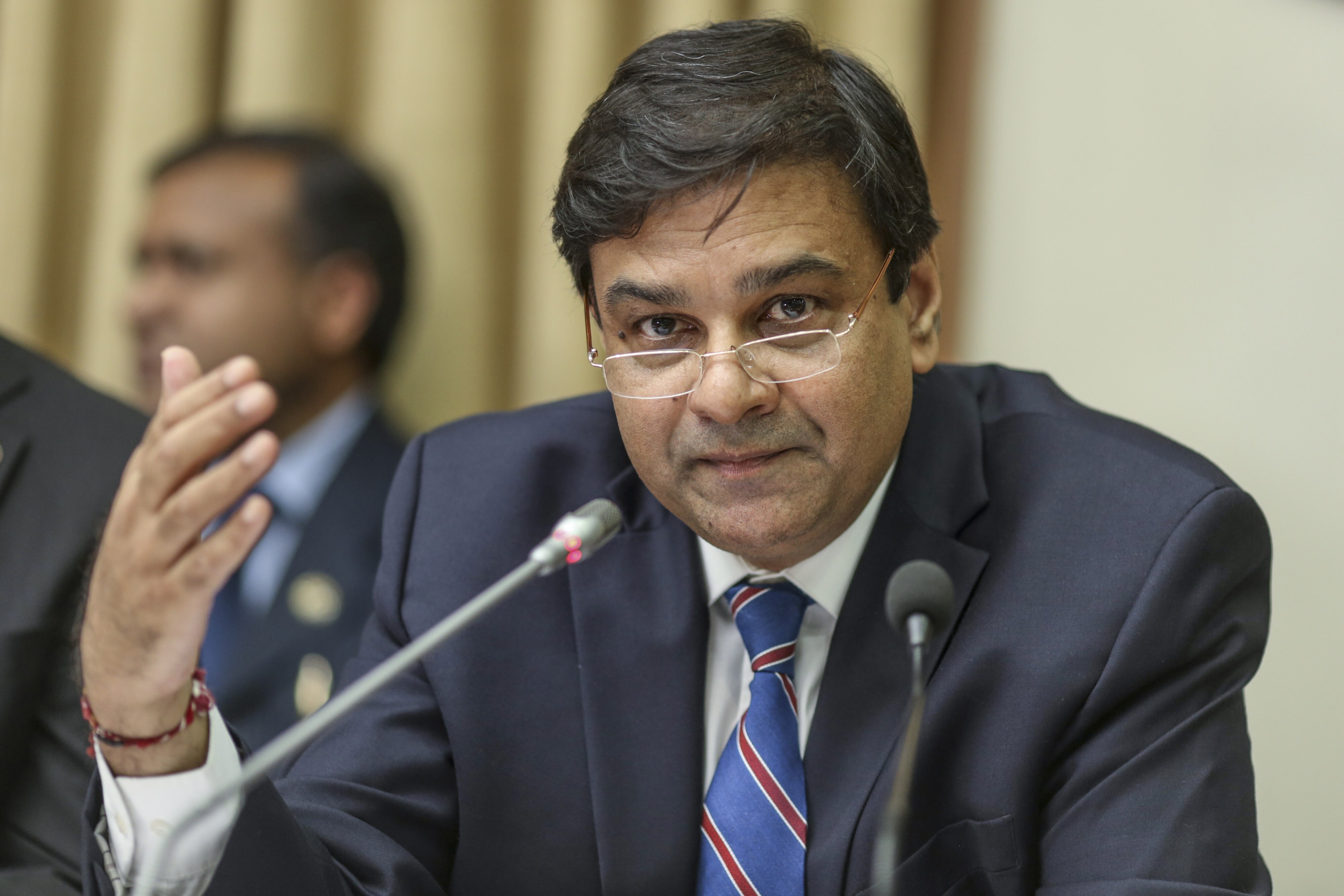
Reserve Bank of India governor Urjit Patel today defended economists saying their core mission is not to forecast crises but to explain how mankind behaves.
“The fundamental mission of economists is not to forecast crises but to explain how the mankind behaves in the ordinary business of life and in doing so they do warn of crisis formations, suggest pre-emptive strategies and formulate mitigating policies that address those crises that slip through macroeconomic surveillance,” Patel said while addressing the students of a business school in Mumbai. “Their greatest contribution to policymaking may take place through less direct routes like research which nudge policymakers to think about economic problems, challenges in newer, different ways.”
Economists had borne the brunt of criticism for the 2008 global financial crisis, with many saying they failed to predict the catastrophe on time. The problem began in the U.S. following the subprime mortgage crisis that led to the collapse of the global economy, which it's yet to fully recover even after a decade.
Patel noted that economists are vital in shaping public perceptions and discourses. They also play a key role in designing strategic policies for the corporate sector, central banks, governments and multilateral institutions, he said. But ironically all these go very often unsung, he added.
Blaming economists for the ills plaguing the global economy is “patently unfair”, Patel said equating them to doctors who understand diseases but cannot predict when a person will fall sick.
He cited the example of the American economist Hyman Philip Minsky who laboured in obscurity from the start of his academic career in the 1950s to his death in 1996. Minsky's research about financial crises and their causes attracted little mainstream attention during his life time, Patel said, adding “it was only in 2007 when the subprime mortgage crisis erupted, that everyone started turning to his writings as they tried to make sense of the chaos engulfing global financial markets.”
Since then, the beginning of a financial crisis is now often referred to as the ‘Minsky moment', Patel said.
He also lauded the government for landmark financial legislations--amending the RBI Act that mandated it to set an inflation target; the bankruptcy law and the rollout of GST--saying these three reforms will shape the economy going forward.

-
A New Samvat Wishlist: Inclusive Prosperity And Human Development

India has strengthened its economic foundations through infrastructure, digital access and enterprise. Its next growth chapter must deepen productivity, create better livelihoods and widen participation in prosperity.
-
Love, Sex Aur Dhokha: The Audacious Plot To Spy On Jensen Huang
A Taipei dinner, a Singapore chip buyer and a suspected Chinese asset: inside the alleged spy operation that got close to NVIDIA's Jensen Huang.
-
Ten Things I Learnt This Samvat
Patience can be a trap. Cheap stocks can stay cheap. Leverage can wipe you out. What did Samvat 2082 teach us? Niraj Shah writes on 10 lessons from the year gone by.
-
Talking Points This Week: Tech Nerves, FII Buying, And A Faraway Banking Shock
The global markets are not shining this Diwali. The exception in the large markets is, India.
-
Midterm Rally Lasted A Day. The Hard Reality Of A Divided US May Last Two Years | Opinion
Between a contested AI boom, a debt ceiling that arrives in 2027 and a president with every incentive to act alone, the next two years may prove more volatile than the first day's rally suggests.
-
Blue Wave Will Derail the AI Trade but Won't Dismantle the AI Era | Unhedged Position
The Democrats' sweep of the US Congress will see politics collide with economic forces both over the long and short term.
-
It's Time To Take The GST Council's Bet On Trust Global
Payment records can prove India's services exports, and clear, proportionate rules can bring foreign digital sellers into the tax net.
-
Opinion | India at 38: From Innovation Overperformer to Innovation Powerhouse
India now has 453 VC-backed deep science startups, 18 of them late-stage, after 117 percent growth since 2020. Laurus Labs, at USD 9.3 billion, is the most valuable deep science company in any middle-income economy outside China.
-
Navigating Energy Crossroads: S Jaishankar's Call For Diversified Supply Chains At G20 Ministerial Meeting
As geopolitical fault lines continue to test maritime trade routes and commodity flows, Jaishankar's message remains pertinent: true economic resilience requires open markets, protected transit lines, and a genuine commitment to multilateral cooperation rather than coercion.









