Trump’s Memecoin Creates Billions From Thin Air Before DC Return
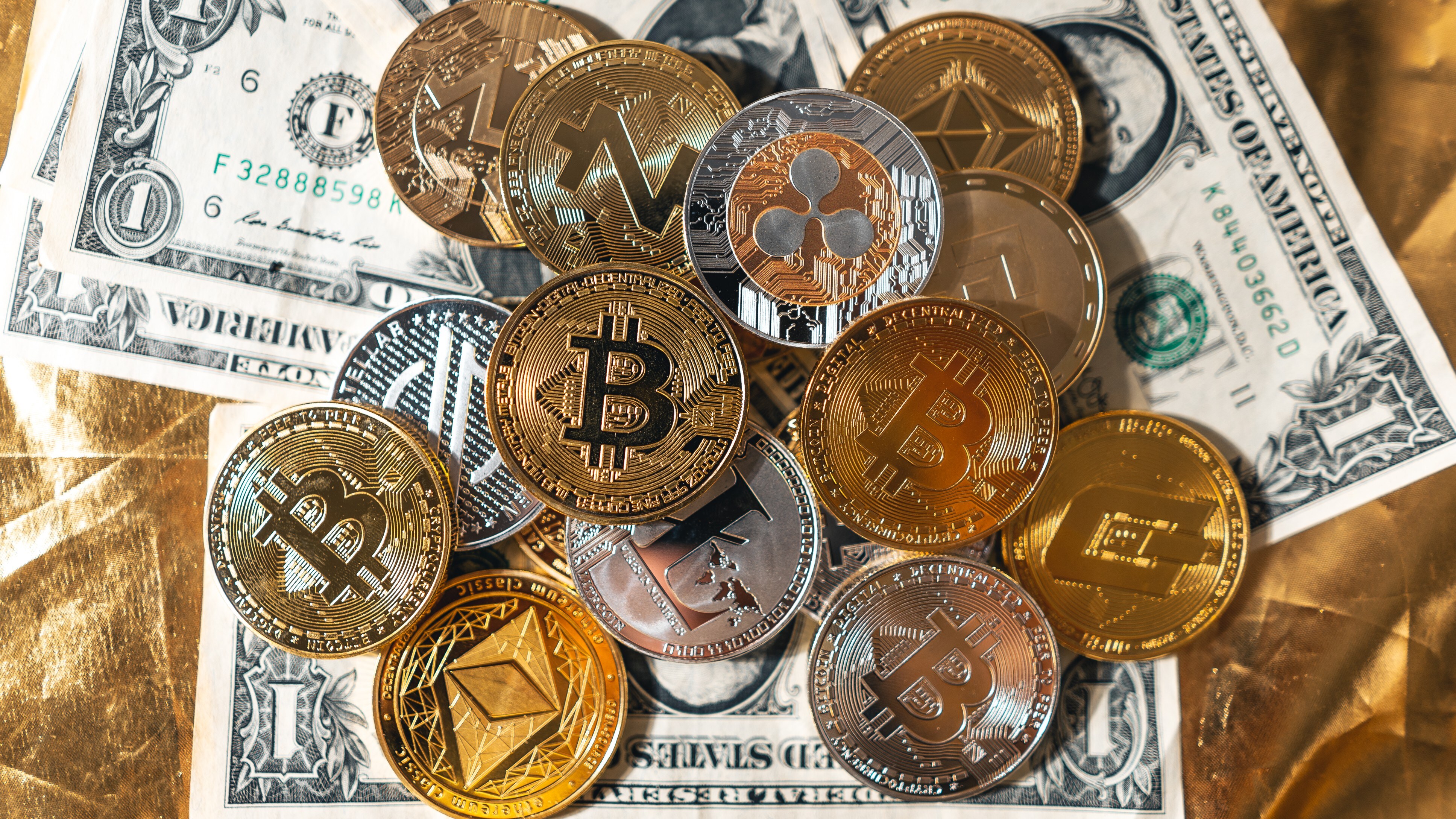
In tuxedos and floor-length gowns, crypto executives and adherents spilled through the Andrew W. Mellon Auditorium in Washington on Friday, ready to toast the inauguration of Donald J. Trump — a leader who promises to become the most crypto-friendly US president.
“The reign of terror against crypto is over,” roared David Sacks, the venture capital executive appointed as Trump's crypto czar.

David Sacks (Photo Source: Bloomberg)
Just how pro-crypto can a president be? That same evening came the launch of a Trump memecoin — a virtual token that appears to offer direct financial benefit to the president-elect's family. The token's market value surged to about $5.6 billion by Saturday afternoon — which could mean a windfall of billions of dollars, at least on paper, for Trump-linked entities that own most of it.
“$Trump is currently the hottest digital meme on earth,” Eric Trump wrote on X. “We are just getting started!”
Watchdogs' Rebuke
The token drew immediate rebuke from government watchdogs, who called it the president-elect's latest breach of ethical norms and a way to profit from his place on the world stage.
Critiques of Trump's family real estate business — including spending by foreign companies and special interest groups at its properties — trailed him through his first term. More recently he's pushed Trump-branded nonfungible tokens.
But a memecoin, which is usually unlinked to any underlying business and thus highly speculative for investors and potentially wildly lucrative for founders, pushes the boundaries further, said Danielle Brian, executive director of the nonpartisan Project on Government Oversight.
“Any effort the Trump Organization was making to demonstrate they were concerned about potential conflicts, specifically where it comes to foreign governments — this seems to entirely undermine,” Brian said.
Other groups that raised concerns include the nonprofit Campaign Legal Center and Citizens for Responsible Ethics in Washington, which unsuccessfully sued Trump in his first term for violating Constitutional prohibitions on foreign gifts and compensation.
“The clear difference with crypto is how quickly you can have a windfall,” said Kedric Payne, general counsel at the Campaign Legal Center.
Industry Euphoria
The memecoin further enmeshes the Trump family in an industry his administration will be in charge of regulating.
Billed as the “only official Trump meme,” the token's website encourages buyers to “get your piece of history,” and features images of Trump raising his fist in defiance, as he did after narrowly dodging an assassination attempt at a rally in July.
An 80% share of the virtual asset is owned by a Trump Organization affiliate called CIC Digital LLC, and a related entity called Fight Fight Fight LLC — whose name echoes the words Trump mouthed after a bullet grazed his ear. Their holdings will be unlocked over a three-year period. According to the site, 200 million of the token immediately became available, a supply that will grow to 1 billion over three years.
Trump and his sons Donald Trump Jr. and Eric Trump have also been promoting a crypto platform called World Liberty Financial, in which they also have financial ties.
The crypto industry viewed itself as unfairly persecuted under the Biden administration, and spent heavily to elect Trump. Under chairman Gary Gensler, the Securities and Exchange Commission sued big crypto exchanges Binance, Coinbase Global Inc. and Kraken, arguing that they sold assets that should be classified as securities.
In the days leading up to Trump's inauguration, that gloom was replaced with a feeling of euphoria.
Crypto companies spent $10 million on Trump's inauguration, according to Politico. Gensler is stepping down, with crypto-friendly lawyer Paul Atkins nominated to replace him.
And far from being a pariah, Kraken's name and logo emblazoned the halls of the crypto ball in Washington.
“The beginning of innovation in America for crypto has just begun,” Sacks said at the event.

-
A New Samvat Wishlist: Inclusive Prosperity And Human Development

India has strengthened its economic foundations through infrastructure, digital access and enterprise. Its next growth chapter must deepen productivity, create better livelihoods and widen participation in prosperity.
-
Love, Sex Aur Dhokha: The Audacious Plot To Spy On Jensen Huang
A Taipei dinner, a Singapore chip buyer and a suspected Chinese asset: inside the alleged spy operation that got close to NVIDIA's Jensen Huang.
-
Ten Things I Learnt This Samvat
Patience can be a trap. Cheap stocks can stay cheap. Leverage can wipe you out. What did Samvat 2082 teach us? Niraj Shah writes on 10 lessons from the year gone by.
-
Talking Points This Week: Tech Nerves, FII Buying, And A Faraway Banking Shock
The global markets are not shining this Diwali. The exception in the large markets is, India.
-
Midterm Rally Lasted A Day. The Hard Reality Of A Divided US May Last Two Years | Opinion
Between a contested AI boom, a debt ceiling that arrives in 2027 and a president with every incentive to act alone, the next two years may prove more volatile than the first day's rally suggests.
-
Blue Wave Will Derail the AI Trade but Won't Dismantle the AI Era | Unhedged Position
The Democrats' sweep of the US Congress will see politics collide with economic forces both over the long and short term.
-
It's Time To Take The GST Council's Bet On Trust Global
Payment records can prove India's services exports, and clear, proportionate rules can bring foreign digital sellers into the tax net.
-
Opinion | India at 38: From Innovation Overperformer to Innovation Powerhouse
India now has 453 VC-backed deep science startups, 18 of them late-stage, after 117 percent growth since 2020. Laurus Labs, at USD 9.3 billion, is the most valuable deep science company in any middle-income economy outside China.
-
Navigating Energy Crossroads: S Jaishankar's Call For Diversified Supply Chains At G20 Ministerial Meeting
As geopolitical fault lines continue to test maritime trade routes and commodity flows, Jaishankar's message remains pertinent: true economic resilience requires open markets, protected transit lines, and a genuine commitment to multilateral cooperation rather than coercion.









