Trump Risks US Consumer Discontent With His Tariffs, Poll Shows
President Donald Trump is struggling to persuade US consumers of the merits of his trade war, a Harris Poll for Bloomberg News found.
A majority of US adults, 56%, said their household finances would be better off if Trump's tariffs had not been implemented. Some 52% of respondents said the promised benefits of the levies would not be worth their economic cost.
That assessment comes after Trump's “Liberation Day” slate of tariffs made for the biggest act of US protectionism since the 1930s, helping push US taxation on imports to its highest level in nearly a century. The rollout was greeted with turmoil in financial markets and new concerns over the possibility of the US slipping into a recession.
The poll has a margin of error of 2.5 percentage points and was conducted May 8-10 among about 2,100 US adults. That means it fell after Trump paused many of the tariffs he unveiled in early April, but before the US and China agreed to temporarily lower their duties on one another while they continue negotiations. Even after all the whiplash, businesses like Walmart Inc. say higher prices are coming and economists say the US is still likely to see a slowdown in growth.
Americans appear to have absorbed those price warnings, with 69% of respondents saying they expect higher costs for everyday goods as a result of the tariffs. Trump himself has conceded that possibility, such as when he suggested children might have “two dolls instead of 30,” and that “maybe the two dolls will cost a couple bucks more than they would normally.”
Still, the president continues to aggressively tout his trade agenda as a strategy for bringing manufacturing jobs back the US.
Some 49% of consumers said they expect the tariffs to be bad for the economy, a larger share than the 30% that said the levies will be an economic boon.
While inflation is far lower than its recent peak and advanced at a slower pace than expected in April, three in five poll respondents said the cost of everyday items has risen compared to last month. That suggests a widespread perception that price increases remain a frequent fact of life.
Mackenzie Knight, a 35-year-old who works in human resources at a university in the Bay Area, is dreading how tariffs could further squeeze her budget. After a period of unemployment three years ago, she feels like she is just now on solid footing financially. It's been difficult for her to build savings with rent prices so high in her area.
“I'm not completely against tariffs if it's an economic requirement that benefits both parties,” she said. “I just don't see how the current tariffs are helping anyone. For a lot of Americans, it's very frustrating.”
Knight is also worried about the potential for a recession or at least an economic slowdown, which could result in losing her job. Although the stock market has recovered from the initial tariff shock and job growth remains solid, consumer sentiment fell to near a record low in a May report and JPMorgan Chase & Co.'s Jamie Dimon recently warned against complacency in the face of economic risks.
According to the poll, half of Americans believe the economy has gotten weaker since 2024. Their appraisals appear heavily shaped by politics: Some 66% of Democrats say the economy has worsened from last year, when former President Joe Biden was still in office, compared to 25% of Republicans. More than half of independents said the economy had deteriorated.
Cutting Back
As Trump's tariff negotiations play out, some consumers are choosing to reduce their spending preemptively, girding for further price hikes that could hit their budgets.
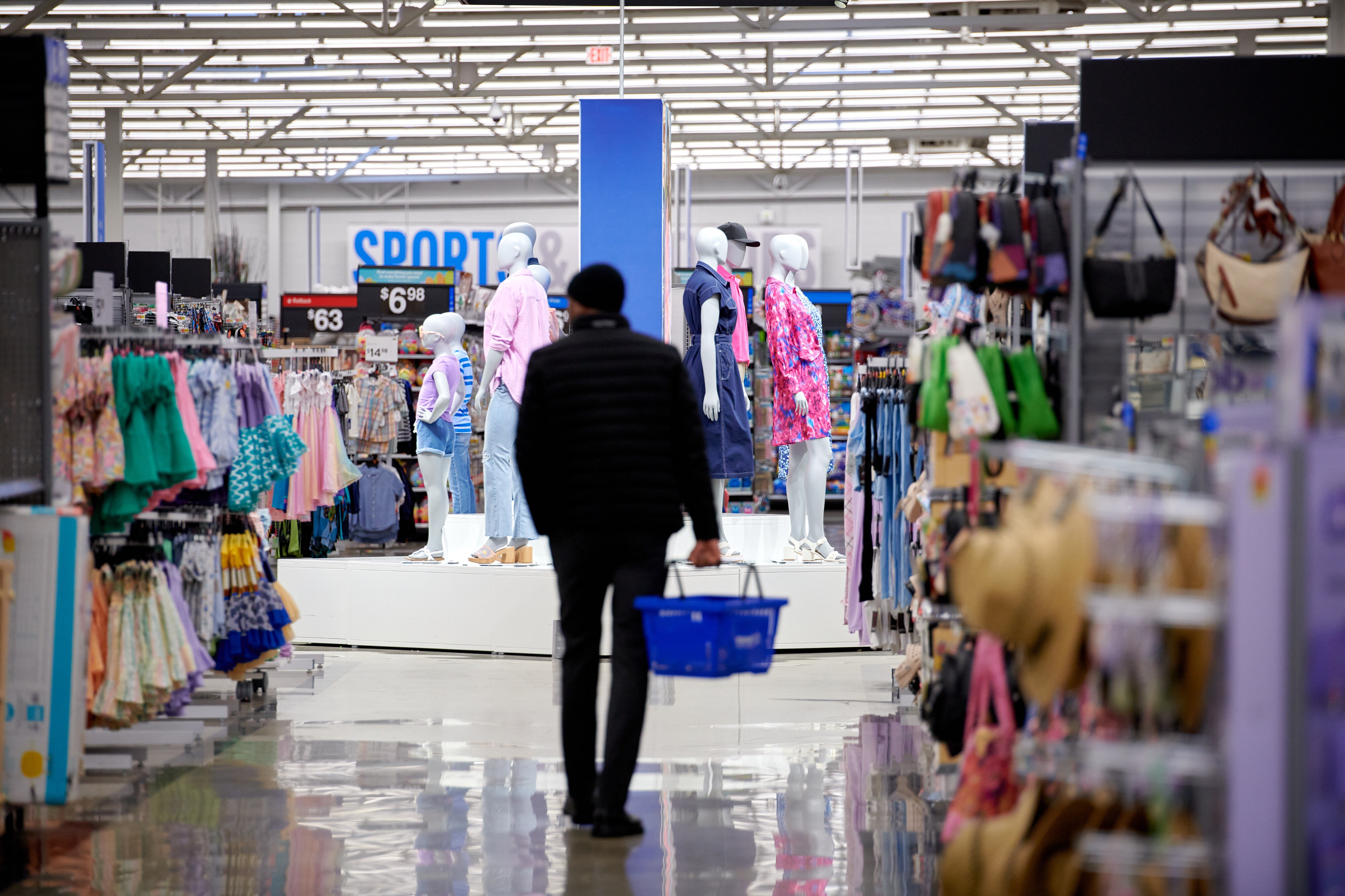
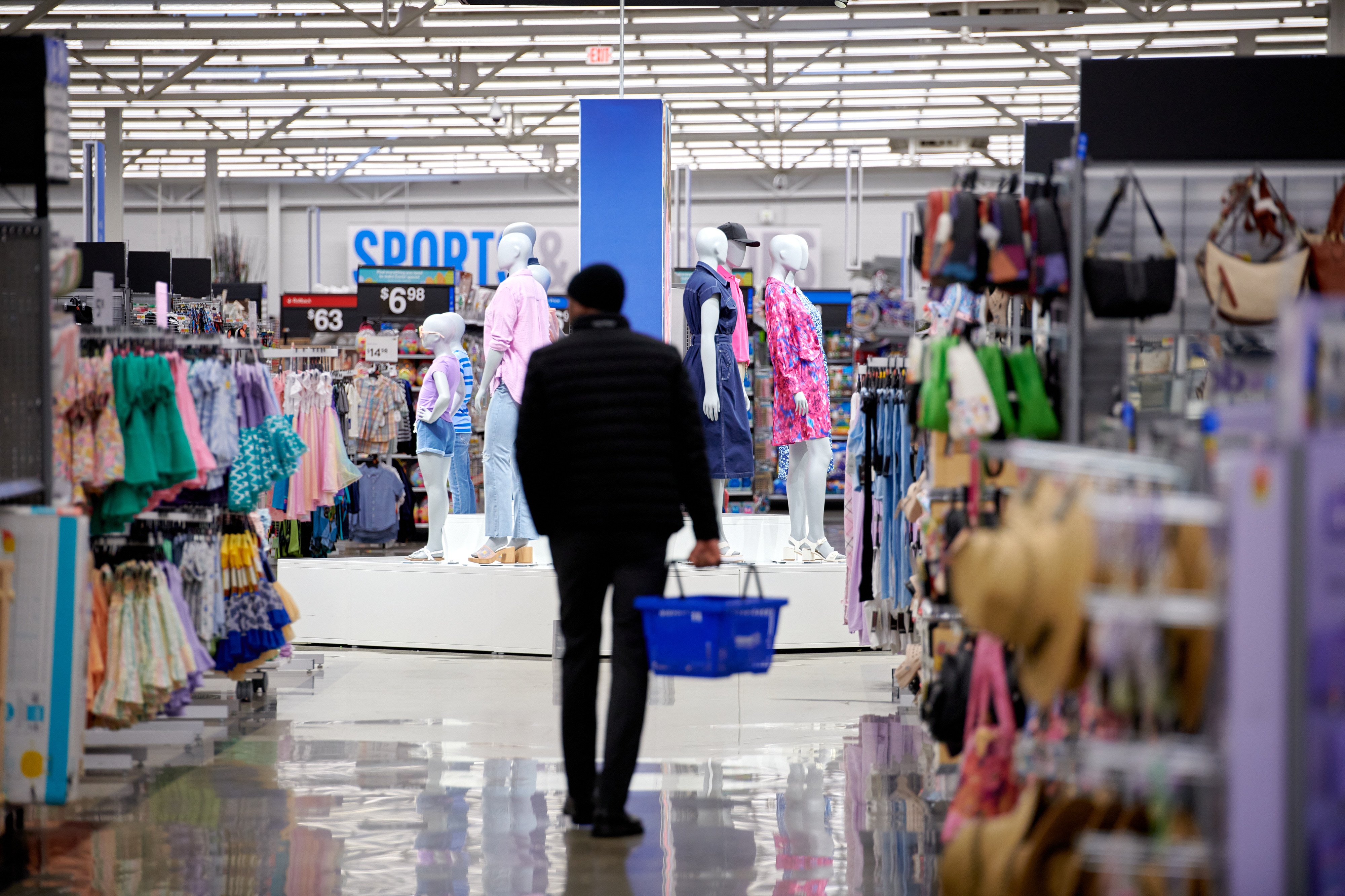
Major retailers have indicated they are, indeed, adapting their pricing. Walmart said this month that shoppers will start to see higher prices as it begins to pass on the costs of newer merchandise.
Price increases “are happening right now, and they'll become more obvious,” Chief Financial Officer John David Rainey said in an interview with Bloomberg News on May 15.
Target Corp. also said it's adjusting prices in response to the volatile environment. The retailer, which is more reliant than Walmart on sales of discretionary products like apparel and home goods, cut its sales forecast this week after it saw a sharp pullback in consumer spending.
Three in five respondents reported cutting back due to concerns around a potential recession, with 16% saying they haven't yet but expect to soon. Among those curtailing spending, more than 70% say they are eating out less and 57% report spending less on entertainment.
And although about half of Americans say they have plans to travel this summer, a third of those people say they have fewer trips booked for this year compared to last summer.
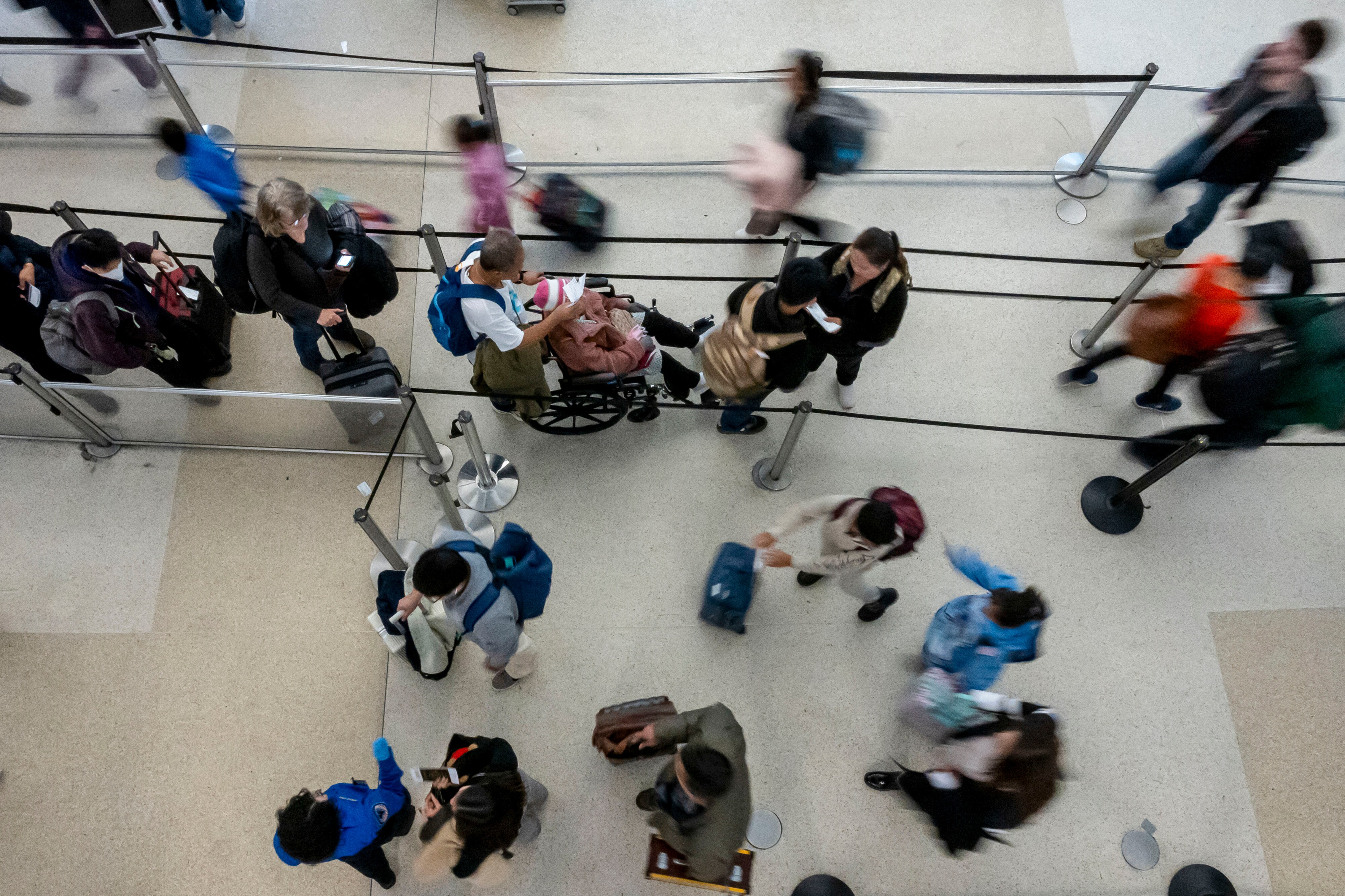
Brad Russell, a 40-year-old in Philadelphia, said that he and his family are choosing cheaper vacations this summer, since they expect tariffs to increase their household costs in the coming months. Their budget is already stretched because he and his wife have two young kids and have to pay daycare expenses for both of them.
Instead of doing weeklong trips, or splurges like a vacation to Disney World, the family is opting for weekend excursions to places like Williamsburg, Virginia. Rather than shell out for four plane tickets, they're going to drive.
“Even without the tariff madness, money is tight,” Russell said. “We're trying to be good stewards of our money and hopefully keep our heads above water over the next four years.”

-
Talking Points This Week: Tech Nerves, FII Buying, And A Faraway Banking Shock

The global markets are not shining this Diwali. The exception in the large markets is, India.
-
Midterm Rally Lasted A Day. The Hard Reality Of A Divided US May Last Two Years | Opinion
Between a contested AI boom, a debt ceiling that arrives in 2027 and a president with every incentive to act alone, the next two years may prove more volatile than the first day's rally suggests.
-
Blue Wave Will Derail the AI Trade but Won't Dismantle the AI Era | Unhedged Position
The Democrats' sweep of the US Congress will see politics collide with economic forces both over the long and short term.
-
It's Time To Take The GST Council's Bet On Trust Global
Payment records can prove India's services exports, and clear, proportionate rules can bring foreign digital sellers into the tax net.
-
Opinion | India at 38: From Innovation Overperformer to Innovation Powerhouse
India now has 453 VC-backed deep science startups, 18 of them late-stage, after 117 percent growth since 2020. Laurus Labs, at USD 9.3 billion, is the most valuable deep science company in any middle-income economy outside China.
-
Navigating Energy Crossroads: S Jaishankar's Call For Diversified Supply Chains At G20 Ministerial Meeting
As geopolitical fault lines continue to test maritime trade routes and commodity flows, Jaishankar's message remains pertinent: true economic resilience requires open markets, protected transit lines, and a genuine commitment to multilateral cooperation rather than coercion.
-
Indians Are Travelling, But Not Every Journey Is A Holiday | The Week In Whys
Pilgrims, patients and working women are the real travellers, and the system hasn't quite caught up with them.
-
Getting To Work Costs Women More | The Reason Why
It is not just about women paying more than men. It is about women paying much more in cities than in villages.
-
AI Bias In Investing Cannot Be Eliminated, But It Can Be Governed
Framing is a particularly important example as identical financial information presented in terms of gains rather than losses can lead an LLM to reach a different assessment.









