Tariff Concerns Drive Global Food Prices To Two-Year High
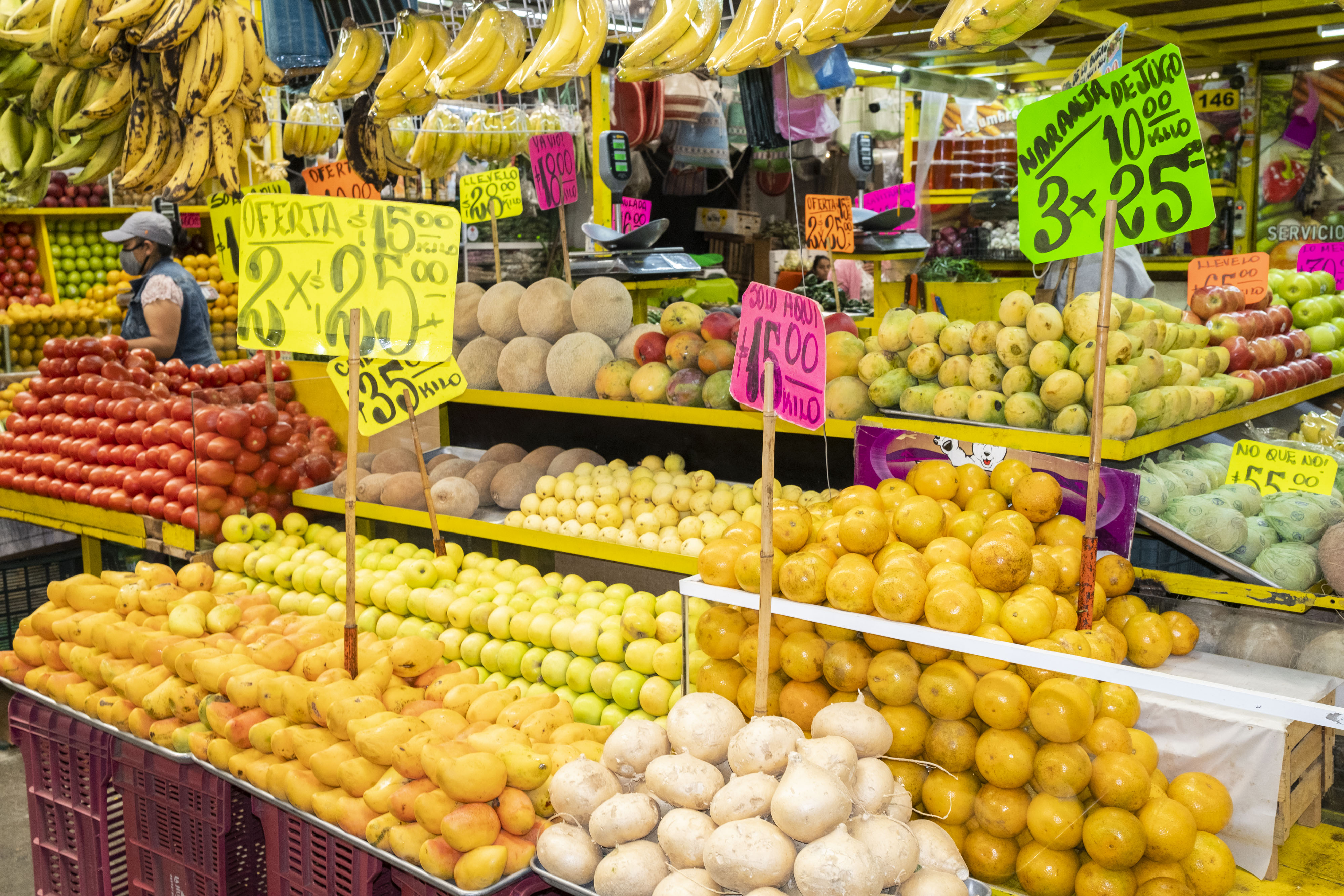
Global food prices rose to a two-year high in April, a sign that tariff uncertainty is starting to put a squeeze on trade.
A United Nations index tracking raw commodity costs of food rose to 128.3, a 1% month-on-month jump, taking it levels last seen in March 2023. While it takes time for the impact to filter through to supermarkets and the gauge remains well below a 2022 peak, the move hints at the possibility of pricer groceries after a period when food inflation had eased.
“Currency fluctuations influenced price movements in world markets, while tariff policy adjustments raised market uncertainty,” according to the UN's Food and Agriculture Organization.
Countries may have driven up short term demand for some products, said Monika Tothova, an economist at the FAO, by trying to stock up to reduce the impact of tit-for-tat levies set in motion by President Donald Trump's widespread tariffs.

Other supply concerns also pushed up the price of grains, meat and dairy. Tighter wheat supplies from Russia, the world's top exporter, saw the grain edging up slightly, the FAO said. The rise in dairy, 2.4% on the previous month, was led by international butter prices, which hit a new all-time high due to declining European inventories.
While food supplies and prices are often determined by weather, additional volatility, stemming from moves such as US tariffs and the subsequent retaliation from trade partners, had been flagged earlier this year. Despite a 90-day pause on some levies, global food markets have been roiled by the policy back and forth of recent weeks.
“We are always concerned about the dry conditions here and there,” said Tothova, but what is going to happen with trade policy “and how countries will retaliate, that still remains a big story.”

-
Talking Points This Week: Tech Nerves, FII Buying, And A Faraway Banking Shock

The global markets are not shining this Diwali. The exception in the large markets is, India.
-
Midterm Rally Lasted A Day. The Hard Reality Of A Divided US May Last Two Years | Opinion
Between a contested AI boom, a debt ceiling that arrives in 2027 and a president with every incentive to act alone, the next two years may prove more volatile than the first day's rally suggests.
-
Blue Wave Will Derail the AI Trade but Won't Dismantle the AI Era | Unhedged Position
The Democrats' sweep of the US Congress will see politics collide with economic forces both over the long and short term.
-
It's Time To Take The GST Council's Bet On Trust Global
Payment records can prove India's services exports, and clear, proportionate rules can bring foreign digital sellers into the tax net.
-
Opinion | India at 38: From Innovation Overperformer to Innovation Powerhouse
India now has 453 VC-backed deep science startups, 18 of them late-stage, after 117 percent growth since 2020. Laurus Labs, at USD 9.3 billion, is the most valuable deep science company in any middle-income economy outside China.
-
Navigating Energy Crossroads: S Jaishankar's Call For Diversified Supply Chains At G20 Ministerial Meeting
As geopolitical fault lines continue to test maritime trade routes and commodity flows, Jaishankar's message remains pertinent: true economic resilience requires open markets, protected transit lines, and a genuine commitment to multilateral cooperation rather than coercion.
-
Indians Are Travelling, But Not Every Journey Is A Holiday | The Week In Whys
Pilgrims, patients and working women are the real travellers, and the system hasn't quite caught up with them.
-
Getting To Work Costs Women More | The Reason Why
It is not just about women paying more than men. It is about women paying much more in cities than in villages.
-
AI Bias In Investing Cannot Be Eliminated, But It Can Be Governed
Framing is a particularly important example as identical financial information presented in terms of gains rather than losses can lead an LLM to reach a different assessment.









