Singapore Central Bank Chief Says Record Inflows Can Be Managed
(Bloomberg) -- Singapore can absorb record inflows of new money, the central bank chief said, allaying concerns of a real estate bubble even as rents and prices surge to unprecedented highs.
The Asian financial hub attracted S$448 billion ($317 billion) last year, 59% higher than the previous year, the latest data from the Monetary Authority of Singapore show.
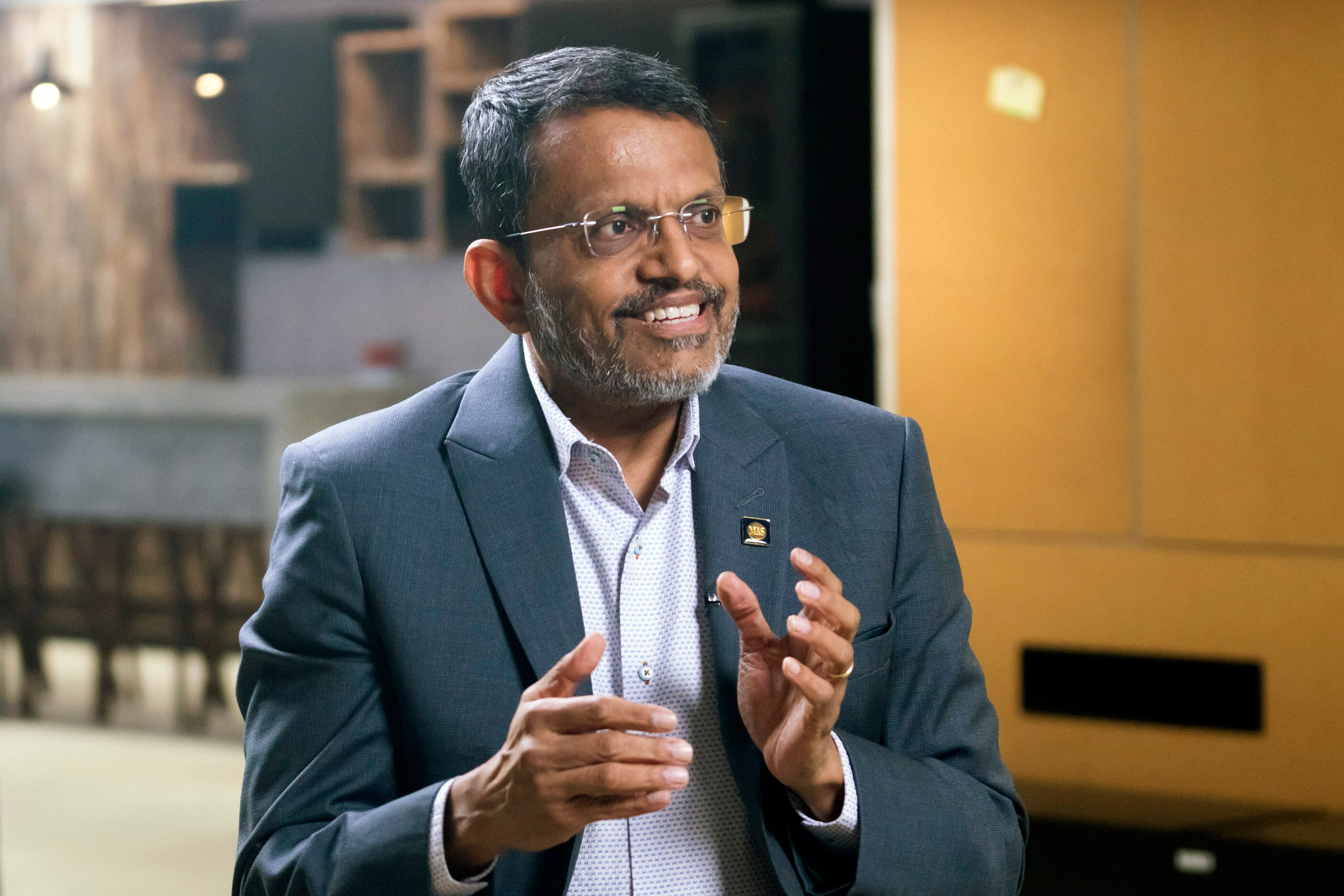
“When a large sum of money comes in to any country, you should be worried about it,” MAS Managing Director Ravi Menon said in an interview with Bloomberg Television's Haslinda Amin. One such concern is flows into the property market driving up prices. Rather than blocking money coming in, the regulator has imposed measures on the real estate sector to prevent overheating. “We've got that under control,” he said.
Singapore's efforts to build an international wealth hub are paying off as the city enjoys a post-Covid resurgence, attracting investors drawn to its stability. Assets managed by local firms soared 16% in 2021 to $4 trillion, mostly from overseas, exceeding the global growth rate. Investors from US hedge-fund titan Ray Dalio to Indian billionaire Mukesh Ambani are setting up offices to manage their personal wealth.
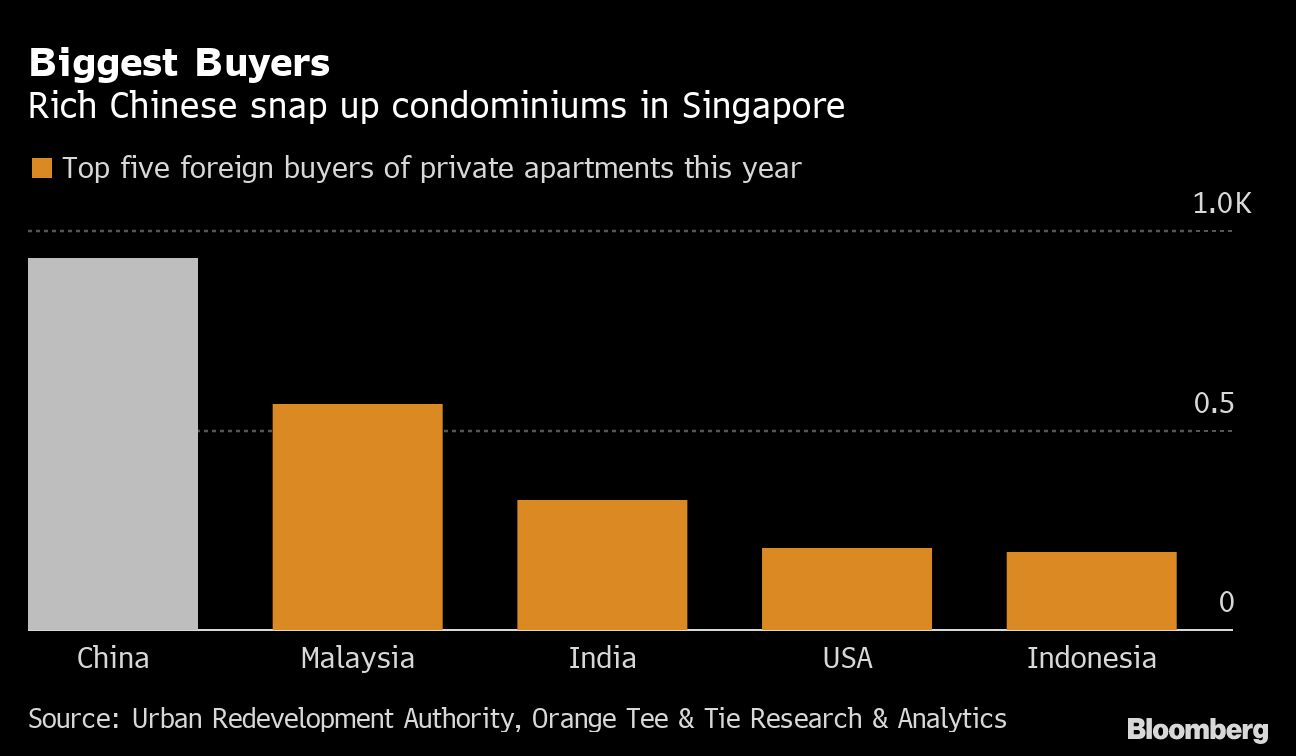
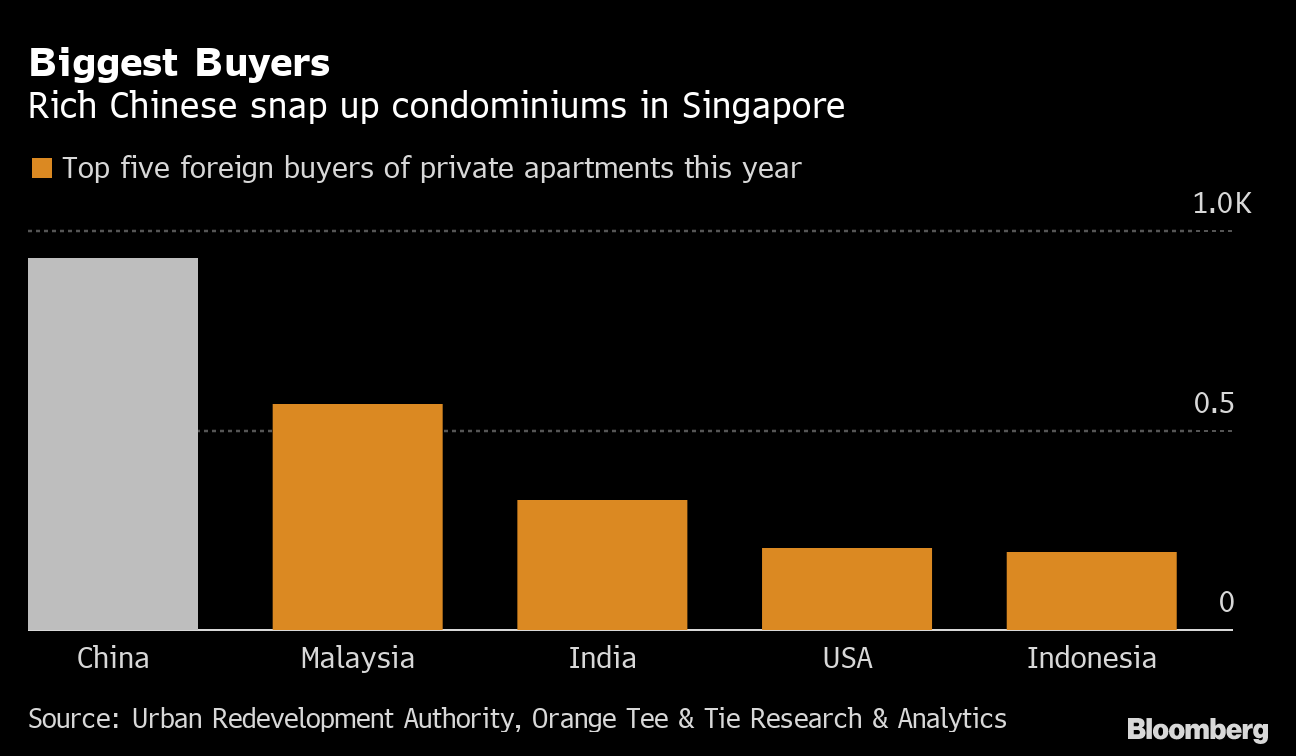
The housing market has defied a slump reported in other major markets including Australia, Hong Kong and Canada. As prices jumped 7% in the first nine months -- including a sizzling 13% in the third quarter alone -- the government took steps to cool the market. Landlords meanwhile are asking tenants for big rent increases, sometimes as much as double, when they extend leases.
The inflows, which are roughly three quarters of Singapore's nominal gross domestic product, come on top of gains from higher asset prices last year, according to the central bank. The assets are helping to boost the financial hub as it seeks to add as many as 20,000 finance jobs over five years, in areas including wealth management and sustainable financing.
Asia flows
Menon said money is coming from growing wealth across Asia, where the rich are seeking a place to invest. He acknowledged that North Asia's affluent contribute a large portion of asset flows into Singapore.
“They are richer, they have more investible assets,” he said, speaking ahead of Singapore's FinTech Festival that starts on Wednesday.
In China, Asia's largest wealth market, assets plummeted following the Communist Party congress, where President Xi Jinping solidified his grip on power.
Asked whether China may see accelerated capital outflows, Menon said it's too early to tell.
“There's already some happening,” he said. “Some of it have come to Singapore, you would have seen in the last few years. I am not sure we are looking at any marked pickup.”
In the meantime, Singapore's capital and financial markets, as well as its banking system, are deep and liquid enough to handle large fund flows, he said. MAS, which also serves as financial regulator, is strict when it comes to illicit fund flows, repeatedly reminding financial institutions to be on guard, Menon said.
“There's so much money coming in, you can choose,” he said.
Other interview highlights:
- MAS has been focusing on strengthening disclosure rules by listed companies to deter firms from misconduct
- Singapore is not aiming to become a cashless society even though digital payments are becoming common
--With assistance from .
More stories like this are available on bloomberg.com
©2022 Bloomberg L.P.

-
Opinion | India at 38: From Innovation Overperformer to Innovation Powerhouse

India now has 453 VC-backed deep science startups, 18 of them late-stage, after 117 percent growth since 2020. Laurus Labs, at USD 9.3 billion, is the most valuable deep science company in any middle-income economy outside China.
-
Navigating Energy Crossroads: S Jaishankar's Call For Diversified Supply Chains At G20 Ministerial Meeting
As geopolitical fault lines continue to test maritime trade routes and commodity flows, Jaishankar's message remains pertinent: true economic resilience requires open markets, protected transit lines, and a genuine commitment to multilateral cooperation rather than coercion.
-
Indians Are Travelling, But Not Every Journey Is A Holiday | The Week In Whys
Pilgrims, patients and working women are the real travellers, and the system hasn't quite caught up with them.
-
Getting To Work Costs Women More | The Reason Why
It is not just about women paying more than men. It is about women paying much more in cities than in villages.
-
AI Bias In Investing Cannot Be Eliminated, But It Can Be Governed
Framing is a particularly important example as identical financial information presented in terms of gains rather than losses can lead an LLM to reach a different assessment.
-
Joining The Dots | Dark Skies, Steady Diya: Why Hope Holds This Diwali
With war, a weak rupee and foreign outflows weighing on sentiment, policymakers at the NDTV World Summit and market veterans at NDTV Profit Ignite: Diwali Edition offered the same advice: stay invested and filter out the noise.
-
The Curious Case of Equitas Small Finance Bank And A CEO Who Quit For Stock
PN Vasudevan believes persistent investor concerns over a perceived conflict of interest had become a governance overhang on Equitas Small Finance Bank's stock, even as the lender improved profitability and asset quality.
-
Talking Points This Week: AI Cash Burn, A Tiger Comeback And An India That Still Finds Its Own Path
India is not immune to higher oil or tighter global liquidity, yet its earnings base is broader, its domestic policy levers are still available.
-
Foreign Investors Own Half Of HDFC Bank and ICICI Bank. An LTCG Cut Could Matter Most Here
Foreign portfolio investors have US$115 billion parked in HDFC Bank, ICICI Bank. If the government cuts long-term capital gains tax, Jefferies says returning foreign money could land here first.










