Philippine Peso May Slide To An All-Time Low As Trade Deficit Widens
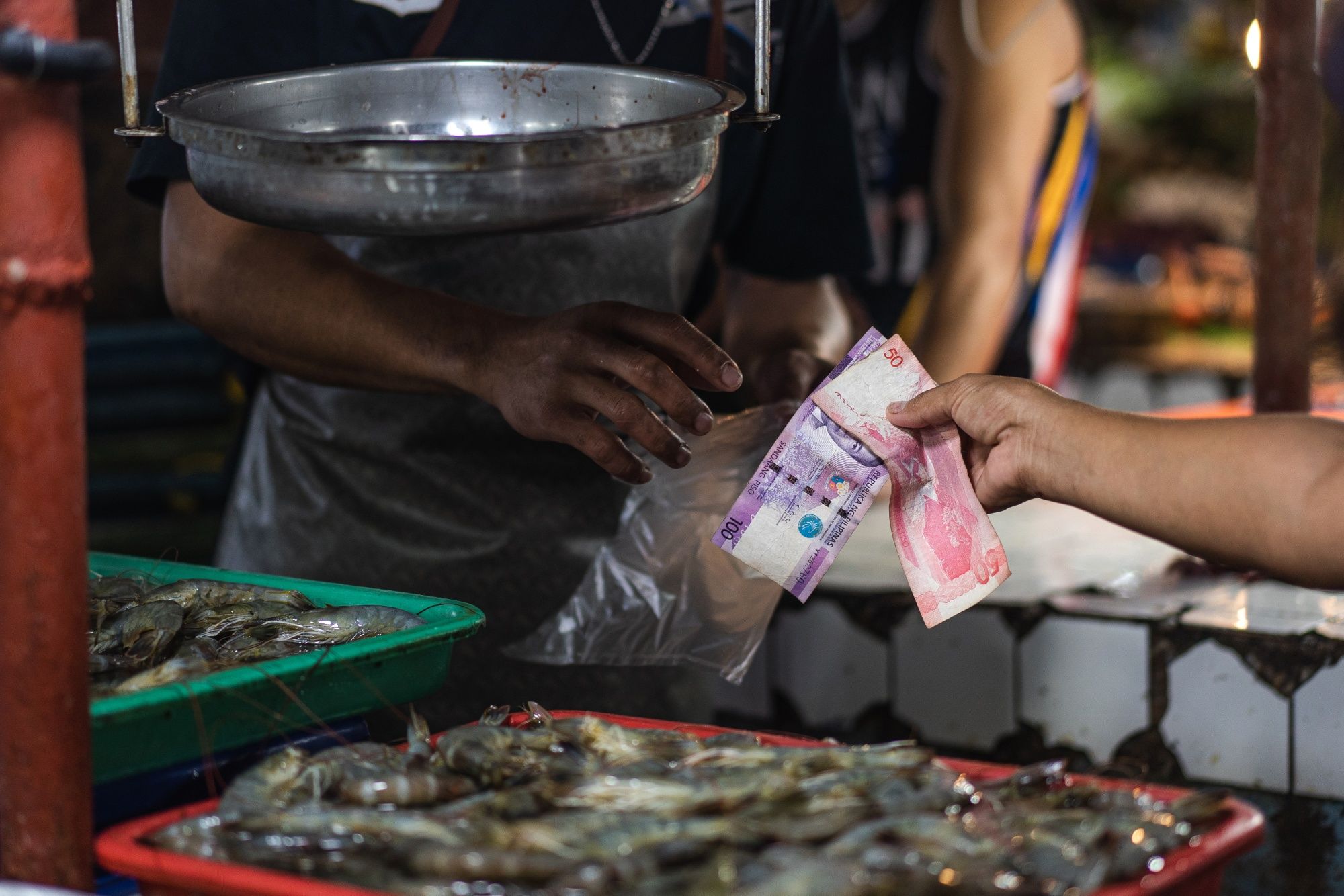
(Bloomberg) -- The Philippine peso may extend its record-setting slump against the greenback as billions of dollars of trade deficits weigh on the currency, increasing pressure on the central bank to intervene to slow its descent.
The peso may slide to an all-time low of about 62 against the dollar as early as this year, about 5.4% weaker than Friday's close, according to ING Groep NV, Bank of the Philippine Islands and eMBM Services. The currency has slumped 13% this year, and is one of the worst-performers in Asia.

Policy makers across Asia's emerging markets are dipping in to their foreign-exchange stockpiles and ramping up verbal warnings against speculators as rate hikes by the Federal Reserve drive the dollar higher. Bangko Sentral ng Pilipinas has signaled it may need to take stronger measures to stem peso losses, including draining liquidity and boosting borrowing costs.
“The peso is feeling the heat,” said Nicholas Mapa, senior economist at ING in Manila. “Surging imports are boosting demand for dollars and leading to elevated trade deficits. The central bank is likely in the market to smooth out volatility, but you can't really do much when the Fed comes in hot and heavy.”

The Southeast Asian nation's monthly trade deficit exceeded $5 billion for four consecutive months through July, as imports climbed. Rising imports prompted officials to increase the forecast for the nation's current-account gap to a record $20.6 billion this year.
Inflation Data
“The peso can hit 60 by early November if US data remain strong and BSP refrains from an off-cycle hike,” said Emilio Neri, lead economist at Bank of the Philippine Islands in Manila, adding that the peso could then go on to test the 62-per-dollar level.
Inflation data due this week will help determine the need for more aggressive interest-rate hikes after the central bank delivered 2.25 percentage points of increases this year. BSP is scheduled to next decide on policy in November.
Foreign selling of Philippine equities as the benchmark sank into bear-market territory is also adding to pressure on the currency. Outflows have reached $1.2 billion this year.
Here are the key Asian economic data due this week:
- Monday, Oct. 3: Indonesia inflation, Japan Tankan manufacturing survey
- Tuesday, Oct. 4: Australia rate decision
- Wednesday, Oct. 5: New Zealand rate decision, South Korea, Thailand and Philippine inflation; Singapore retail sales
- Thursday, Oct. 6: Taiwan inflation
- Friday, Oct. 7: Taiwan trade data, South Korea current account
More stories like this are available on bloomberg.com
©2022 Bloomberg L.P.

-
Love, Sex Aur Dhokha: The Audacious Plot To Spy On Jensen Huang

A Taipei dinner, a Singapore chip buyer and a suspected Chinese asset: inside the alleged spy operation that got close to NVIDIA's Jensen Huang.
-
Ten Things I Learnt This Samvat
Patience can be a trap. Cheap stocks can stay cheap. Leverage can wipe you out. What did Samvat 2082 teach us? Niraj Shah writes on 10 lessons from the year gone by.
-
Talking Points This Week: Tech Nerves, FII Buying, And A Faraway Banking Shock
The global markets are not shining this Diwali. The exception in the large markets is, India.
-
Midterm Rally Lasted A Day. The Hard Reality Of A Divided US May Last Two Years | Opinion
Between a contested AI boom, a debt ceiling that arrives in 2027 and a president with every incentive to act alone, the next two years may prove more volatile than the first day's rally suggests.
-
Blue Wave Will Derail the AI Trade but Won't Dismantle the AI Era | Unhedged Position
The Democrats' sweep of the US Congress will see politics collide with economic forces both over the long and short term.
-
It's Time To Take The GST Council's Bet On Trust Global
Payment records can prove India's services exports, and clear, proportionate rules can bring foreign digital sellers into the tax net.
-
Opinion | India at 38: From Innovation Overperformer to Innovation Powerhouse
India now has 453 VC-backed deep science startups, 18 of them late-stage, after 117 percent growth since 2020. Laurus Labs, at USD 9.3 billion, is the most valuable deep science company in any middle-income economy outside China.
-
Navigating Energy Crossroads: S Jaishankar's Call For Diversified Supply Chains At G20 Ministerial Meeting
As geopolitical fault lines continue to test maritime trade routes and commodity flows, Jaishankar's message remains pertinent: true economic resilience requires open markets, protected transit lines, and a genuine commitment to multilateral cooperation rather than coercion.
-
Indians Are Travelling, But Not Every Journey Is A Holiday | The Week In Whys
Pilgrims, patients and working women are the real travellers, and the system hasn't quite caught up with them.









