India Monsoon: Nationwide Monsoon Deficiency Falls But Key States Remain Dry
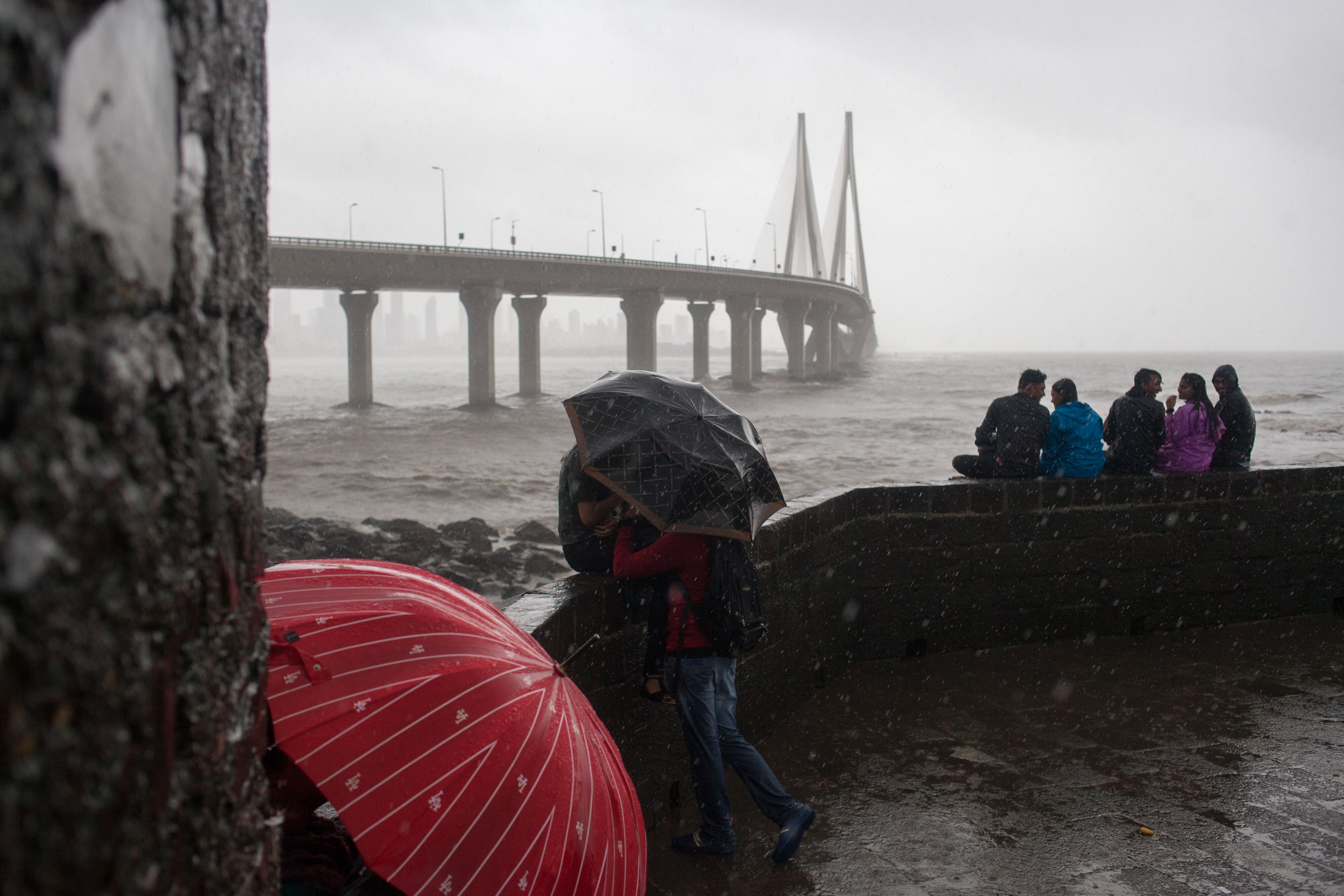
India's southwest monsoon recovered in the past week with the cumulative deficiency narrowing to 3 percent of the long-period average, compared to a 9 percent deficiency earlier in the month. While the nationwide averages improved, certain key states continue to see a shortfall in seasonal rainfall.
India Meteorological Department data, as of July 25, shows that rainfall in states including Bihar, Maharashtra, Telegana and Andhra Pradesh remains deficient. The northeastern states have also seen lower-than-normal rain.
“Rainfall over the next few days will improve the situation over Uttar Pradesh, Bihar, Jharkhand and the Northeast which have been seeing a shortfall,” IMD's Director DS Pai told BloombergQuint.

Some states which were seeing a deficiency till mid-July have seen a normalisation of conditions in the last couple of weeks, noted Axis Capital in a report published on Wednesday. But the rainfall pattern in rice-growing states remains a concern.
States which were carrying deficits like Gujarat and parts of Madhya Pradesh have now seen rainfall normalise. However, the rice and sugar belt of Uttar Pradesh and Bihar remain pain points with each state carrying nearly 50 percent seasonal deficit. Fortunately, IMD forecasts improvement in these regions over the next two weeks.Axis Capital Report
Rains lashed most parts of the country over the last week with weekly precipitation at 20 percent over the long-period average for the country as a whole, the report said.

A pick-up in rainfall could help push up sowing, which remains below last year's levels. As of July 6, sowing in Kharif season was 14 percent lower than last year due to the slow advancement of the southwest monsoon, said Axis Capital.
Should rains accelerate, sowing activity could recover, said Radhika Rao, economist at DBS in a report on Tuesday. “With rains playing catch-up in the central and north west region in recent days, we expect sowing activity to be revived in these areas accordingly.”
DBS added that reservoir levels, used for farm irrigation, also improved after the latest bout of rains. As of July 19, reservoir levels had improved to 32 percent of capacity compared to 18 percent at the end of June, showed data collated by DBS.
Effect On GDP And Inflation
A normal monsoon is important for both inflation and growth in the economy.
If the improvement in farm production restores India's agricultural gross domestic product growth to 6 percent from a moderated 3.4 percent last financial year, it could add 30 basis points to India's overall GDP, Rao said.
The Indian economy is expected to grow 7.4 percent in 2018-19.
The effect on inflation, on the other hand, will be mixed. While better rainfall will help contain inflationary expectation, “the impact of a good monsoon on headline inflation is less direct as past episodes of a strong monsoon do not necessarily show low inflation,” according to Rao's report.
Still, inflation in the fruits and vegetables category, which account for 53 percent of food inflation, could ease on good rains in most parts of the country, said Axis Capital.

-
High US Salaries, No Green Card Certainty: The Financial Calculation Facing Indian H-1B Families

The suspension of PERM processing at eight technology employers does not cancel existing H-1B visas. What it does is force a question many Indian families have been avoiding: is the US salary worth tying your career and family plans to one employer?
-
Unhedged Position: Can India See An Indonesia-Style Time Correction?
The Nifty is trading below levels it first clocked in 2024. Is there, then, as I have suggested in the headline, potential that the current time correction drags on painfully for the next three-five, even ten years?
-
Navigating Friction And Energy Realities: An Analysis Of Marco Rubio's October Visit To India
Occurring at a critical juncture marked by stalled trade negotiations and escalating geopolitical pressures over global energy supplies, the visit offers a profound window into modern US-India relations.
-
India Exports Capital. Why Not Export Trusteeship?
The big question, then, is whether India can build an institution that global borrowers, investors, banks, and lawyers can trust, even without an Indian connection.
-
France's Economy & Politics Are In Crisis | The Reason Why
Let's look at how the French economy and politics evolved under Nicolas Sarkozy, Franois Hollande and Emmanuel Macron.
-
You May Inherit The Business. You Must Earn Its Credibility.
Succession tests the founder's ability to share authority as much as it tests the next generation's readiness to assume it.
-
Signing Deals Is One Thing; Making Them Work Is Another | The Week In Whys
Sometimes, things don't turn out as planned. Indian companies have lost some bids to rivals, some projects won't produce until 2030.
-
FOMC Wall, PERM Suspension, Hospital Stocks | Talking Points This Week
A PERM suspension would directly affect green-card sponsorship rather than H-1B visas, so the near-term earnings impact could remain relatively limited. The key question is whether this marks a new phase in US scrutiny of Indian IT.
-
Everything, Everywhere, All At Once: Dalal Street's Week To Forget | Joining The Dots
Visa curbs, a Starlink spat and cancer drug caps: what connects this week's shocks for Indian markets
-
India Is Going Abroad For Critical Minerals. But It May Take Years To Pay Off | The Reason Why
Although India's steps are in the right direction, they remain modest compared with India's growing dependence.









