Musk Departs DOGE, Leaving Cost-Cutting Effort’s Legacy In Doubt
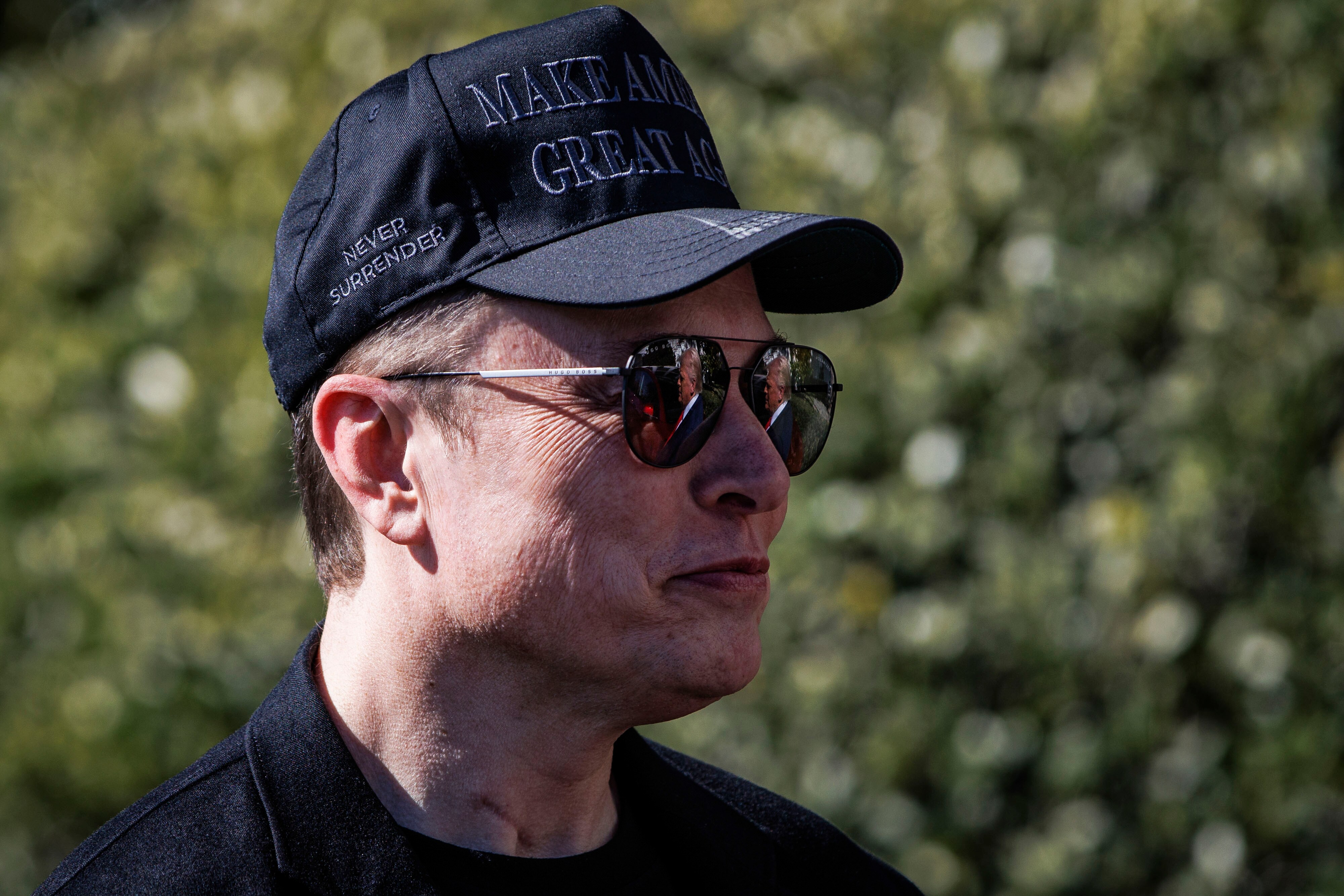
Billionaire Elon Musk said Wednesday that his time as formal adviser to President Donald Trump is coming to a close, raising questions about the future of the Department of Government Efficiency effort he spearheaded.
“As my scheduled time as a Special Government Employee comes to an end, I would like to thank President @realDonaldTrump for the opportunity to reduce wasteful spending,” Musk posted on X, his social media platform. “The @DOGE mission will only strengthen over time as it becomes a way of life throughout the government.”
By law, Musk's status as a temporary government official was set to run out as soon as May 30, although the exact date was subject to an accounting of his actual days worked. A White House official familiar with the move, speaking on condition of anonymity to discuss a personnel matter, said Musk began the off-boarding process Wednesday night and cast the departure as a decision the technology entrepreneur made on his own with the support of the president.
The move comes shortly after Musk gave an interview critical of Trump's biggest legislative priority — the tax cut proposal known as the “One Big Beautiful Bill” — as not doing enough to reduce federal deficits.
Musk's campaign to slash the size of the US government sent shockwaves through Washington, with some agencies eliminated outright and tens of thousands of federal workers purged or convinced to accept buyouts, but the initiative fell short of its own high expectations for cost savings.
Trump originally gave the effort a sunset date of July 4, 2026, allowing DOGE nearly 18 months to find what Musk originally promised would be $2 trillion in savings. Musk later downgraded that ambition to $1 trillion — and then even further to $150 billion.
Musk, 53, has joked that his White House title was “chief nothing officer” and maintained he was not essential to the mission. But he quickly became a lightning rod for critics of the venture who focused on the optics of the world's richest man working to help dismantle the government's workforce and functions.
Trump and Musk have previously declined to lay out a succession plan for DOGE. The project was Musk's brainchild — even down to the acronym that paid homage to an internet-famous dog meme that's long been an object of his obsession.
“DOGE is a way of life, like Buddhism,” he joked during one briefing, suggesting that the effort would proceed even after his exit. “Buddha isn't alive anymore. You wouldn't ask the question: ‘Who would lead Buddhism?'”
The three top lieutenants he brought to that interview — Steve Davis, Antonio Gracias and Anthony Armstrong — have taken up key DOGE outposts at the General Services Administration, Social Security Administration and the Office of Personnel Management. Those agencies have been among the most active in implementing DOGE's anti-fraud, cost-cutting mission.
DOGE's work has drawn lawsuits over its authority and access to government data and some claims about cost savings have been inaccurate, sparking questions about accountability at the endeavor. Musk has also faced questions regarding conflicts of interest for a tech entrepreneur whose varied business interests already make him a major player in federal contracts.
The backlash against Musk over his high-profile political work sparked concerns among investors over the fallout for his companies, most prominently Tesla Inc. Vehicle sales fell to a nearly three-year low in the first quarter of the year and the stock price plummeted, leading many Wall Street analysts to slash growth expectations.
Tesla cars, showrooms and charger stations endured protests and acts of vandalism, with the Cybertruck being a particular target for critics of Musk. Trump and allies have rallied around the CEO, including an event on the White House grounds where the president viewed different Tesla models before settling on buying a a red Model S, in many ways an unprecedented spectacle.
Musk has openly acknowledged the challenges of managing his businesses along with his work in Washington. The Tesla CEO told investors in April that he would soon devote “far more” of his time to the automaker and that his work for the government was “mostly done.” He also oversees four other companies: SpaceX, XAI Holdings, Neuralink and The Boring Co.

-
Talking Points This Week: Tech Nerves, FII Buying, And A Faraway Banking Shock

The global markets are not shining this Diwali. The exception in the large markets is, India.
-
Midterm Rally Lasted A Day. The Hard Reality Of A Divided US May Last Two Years | Opinion
Between a contested AI boom, a debt ceiling that arrives in 2027 and a president with every incentive to act alone, the next two years may prove more volatile than the first day's rally suggests.
-
Blue Wave Will Derail the AI Trade but Won't Dismantle the AI Era | Unhedged Position
The Democrats' sweep of the US Congress will see politics collide with economic forces both over the long and short term.
-
It's Time To Take The GST Council's Bet On Trust Global
Payment records can prove India's services exports, and clear, proportionate rules can bring foreign digital sellers into the tax net.
-
Opinion | India at 38: From Innovation Overperformer to Innovation Powerhouse
India now has 453 VC-backed deep science startups, 18 of them late-stage, after 117 percent growth since 2020. Laurus Labs, at USD 9.3 billion, is the most valuable deep science company in any middle-income economy outside China.
-
Navigating Energy Crossroads: S Jaishankar's Call For Diversified Supply Chains At G20 Ministerial Meeting
As geopolitical fault lines continue to test maritime trade routes and commodity flows, Jaishankar's message remains pertinent: true economic resilience requires open markets, protected transit lines, and a genuine commitment to multilateral cooperation rather than coercion.
-
Indians Are Travelling, But Not Every Journey Is A Holiday | The Week In Whys
Pilgrims, patients and working women are the real travellers, and the system hasn't quite caught up with them.
-
Getting To Work Costs Women More | The Reason Why
It is not just about women paying more than men. It is about women paying much more in cities than in villages.
-
AI Bias In Investing Cannot Be Eliminated, But It Can Be Governed
Framing is a particularly important example as identical financial information presented in terms of gains rather than losses can lead an LLM to reach a different assessment.









