Kaushik Basu Says Rupee Is Over-Valued, Sees Fair Value At 70-71 Against Dollar
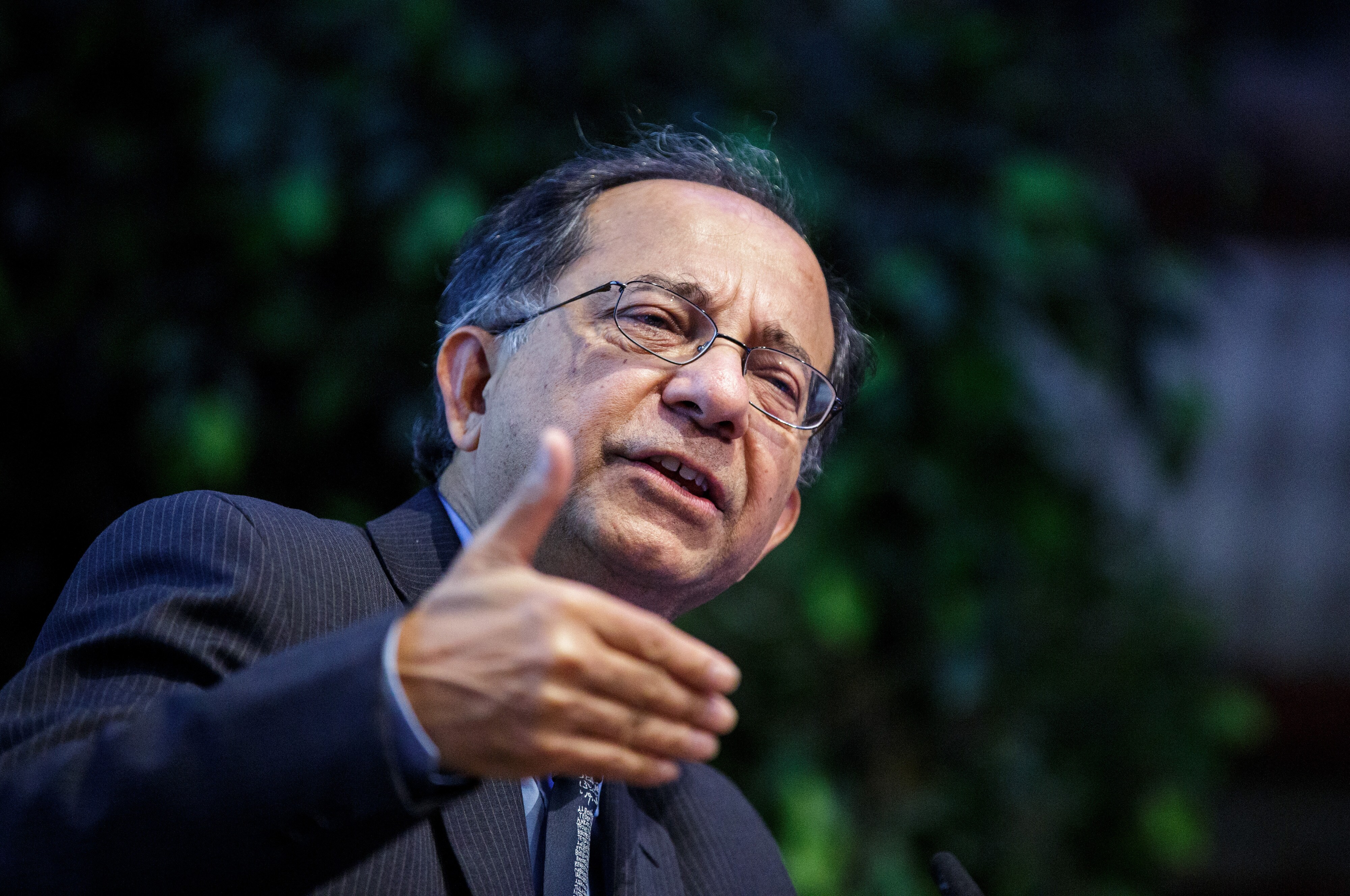
Kaushik Basu, globally renowned economist and former chief economic adviser at Ministry of Finance, said the rupee is over-valued and the fair value of the local currency is 70-71 to a dollar.
The widening current account deficit and higher interest rates have made the rupee the worst among its Asian peers so far this year. Reserve Bank of India has hiked interest rates twice by 50 basis points to 6.5 percent since June, making the rupee bleed more.
The rupee hit a fresh two-week low of 68.88 to the dollar on Monday, plunging 28 paise on rising demand for the U.S. currency from importers and corporates. The rupee had weakened on selling by foreign investors, fiscal and trade deficit concerns .
“Our exchange rate has tended to appreciate in the past couple of years as we are inflating faster than the industrialised countries. Barring the correction that has taken place in the past few months, the rupee has been appreciating. The right level for the rupee is 70-71 to the dollar,” Basu said speaking at an event organised by the JSW Foundation and the Literature Live, a Tata-group initiative.
Basu also raised concerns regarding the jobs market saying poor employment growth is a matter of concern. "Jobs data is very poor in our country. A part of it is legitimate as so much of work is very different work from what we get in the West," he said.
"Though our methods of data collection on jobs are taken from the West, those categories don't fit here. We are very good at collecting consumption data or price data, but not jobs data," he said.
Basu also flagged concerns over rising intolerance in the name of religion and other sectarian causes in India. He also commented on anti-globalisation sentiment.
Basu also said despite many ills, globalisation is an irreversible reality but to sustain it in the long term, corporations which have been benefiting from it should be ready to part with a portion of their higher profit towards affected employees and even local populations.

-
A New Samvat Wishlist: Inclusive Prosperity And Human Development

India has strengthened its economic foundations through infrastructure, digital access and enterprise. Its next growth chapter must deepen productivity, create better livelihoods and widen participation in prosperity.
-
Love, Sex Aur Dhokha: The Audacious Plot To Spy On Jensen Huang
A Taipei dinner, a Singapore chip buyer and a suspected Chinese asset: inside the alleged spy operation that got close to NVIDIA's Jensen Huang.
-
Ten Things I Learnt This Samvat
Patience can be a trap. Cheap stocks can stay cheap. Leverage can wipe you out. What did Samvat 2082 teach us? Niraj Shah writes on 10 lessons from the year gone by.
-
Talking Points This Week: Tech Nerves, FII Buying, And A Faraway Banking Shock
The global markets are not shining this Diwali. The exception in the large markets is, India.
-
Midterm Rally Lasted A Day. The Hard Reality Of A Divided US May Last Two Years | Opinion
Between a contested AI boom, a debt ceiling that arrives in 2027 and a president with every incentive to act alone, the next two years may prove more volatile than the first day's rally suggests.
-
Blue Wave Will Derail the AI Trade but Won't Dismantle the AI Era | Unhedged Position
The Democrats' sweep of the US Congress will see politics collide with economic forces both over the long and short term.
-
It's Time To Take The GST Council's Bet On Trust Global
Payment records can prove India's services exports, and clear, proportionate rules can bring foreign digital sellers into the tax net.
-
Opinion | India at 38: From Innovation Overperformer to Innovation Powerhouse
India now has 453 VC-backed deep science startups, 18 of them late-stage, after 117 percent growth since 2020. Laurus Labs, at USD 9.3 billion, is the most valuable deep science company in any middle-income economy outside China.
-
Navigating Energy Crossroads: S Jaishankar's Call For Diversified Supply Chains At G20 Ministerial Meeting
As geopolitical fault lines continue to test maritime trade routes and commodity flows, Jaishankar's message remains pertinent: true economic resilience requires open markets, protected transit lines, and a genuine commitment to multilateral cooperation rather than coercion.









