JPMorgan Model Shows Recession Fear In Markets Spiking Up To 79%
JPMorgan Chase & Co. says recession fears in stocks acutely tied to America's economy have spiked to nearly 80%, while credit investors remain sanguine even as funding stress threatens to build.
The small-cap focused Russell 2000, which has been battered in the recent selloff, is now pricing in a 79% chance of an economic downturn, according to JPMorgan's dashboard of market-based recession indicators. Other asset classes are also sounding alarms: the S&P 500 is pricing in a 62% chance of an economic downturn, while base metals show a 68% chance and five-year Treasuries indicate a 54% chance. By contrast, recession odds in the investment-grade credit market are at just 25% — though that's still up from zero in November.

“The Russell 2000, which as a more cyclical index should contain more information about the cyclical position of the US economy, prices in an average recession with high probability of almost 80%,” said JPMorgan strategist Nikolaos Panigirtzoglou. “A mild recession is almost 100% priced in.”
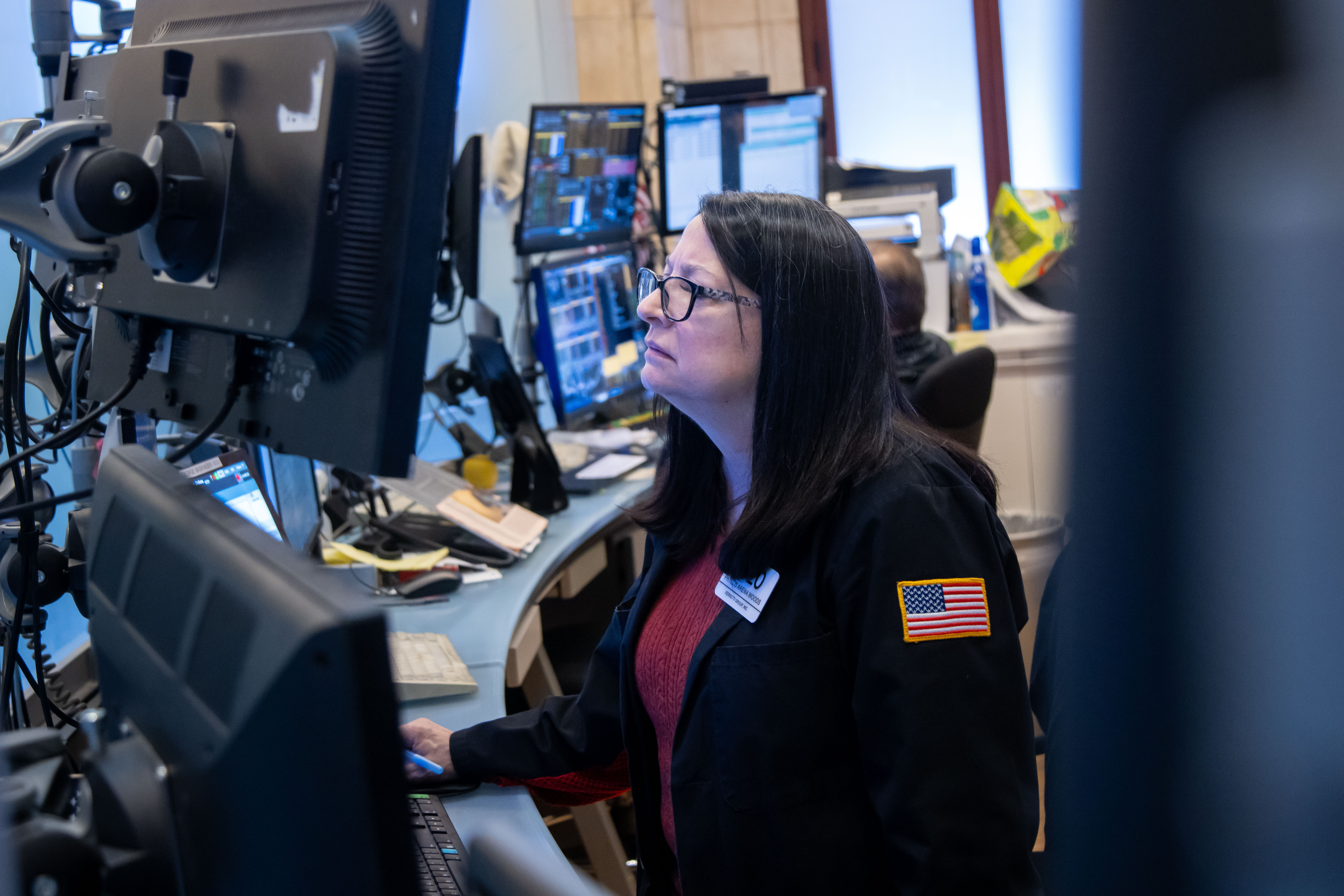
Economic sentiment is darkening as money managers and corporate executives struggle to cope with the volatility created by President Donald Trump's escalating trade war. Equities on Tuesday reversed what was on track to be the biggest rally since 2022, after the White House said it would go ahead with tariffs of 104% on China. The S&P 500 fell almost 3%, leaving it flirting with a bear market.
JPMorgan calculates the prospect of an economic downturn by comparing the pre-recession peaks of various classes and their troughs during an economic contraction. One bullish implication for stocks is that the doom and gloom that's already erased trillions of dollars from the asset class may have lowered the bar for a rebound fueled by better economic or policy news.
On the flipside, corporate bond markets have yet to price in the spiking probability of an economic downturn. If the trade war escalates, a credit drawdown would stress the broader financial system, tighten liquidity and threaten bankruptcies.
The US high-grade corporate bond market reopened Tuesday for the first time since the tariff announcement last week cratered credit markets.
“Corporate fundamentals are so strong that they make credit investors doubtful of a credit cycle emerging even in a weak GDP growth scenario,” Panigirtzoglou said. “Historically, credit markets were proven right most of the time.”
Economists have raised recession odds across the board. Some 92% of the forecasters who responded to a Bloomberg survey conducted April 2-3 said the imposition of sweeping levies raises the risk of a US economic downturn over the next 12 months.
JPMorgan's team of economists, led by Bruce Kasman, hiked the odds of a global recession to 60% last week. The bank's chief US economist, Michael Feroli, forecasts real GDP growth of -0.3%, down from 1.3% previously.
© 2025 Bloomberg L.P.

-
Talking Points This Week: Tech Nerves, FII Buying, And A Faraway Banking Shock

The global markets are not shining this Diwali. The exception in the large markets is, India.
-
Midterm Rally Lasted A Day. The Hard Reality Of A Divided US May Last Two Years | Opinion
Between a contested AI boom, a debt ceiling that arrives in 2027 and a president with every incentive to act alone, the next two years may prove more volatile than the first day's rally suggests.
-
Blue Wave Will Derail the AI Trade but Won't Dismantle the AI Era | Unhedged Position
The Democrats' sweep of the US Congress will see politics collide with economic forces both over the long and short term.
-
It's Time To Take The GST Council's Bet On Trust Global
Payment records can prove India's services exports, and clear, proportionate rules can bring foreign digital sellers into the tax net.
-
Opinion | India at 38: From Innovation Overperformer to Innovation Powerhouse
India now has 453 VC-backed deep science startups, 18 of them late-stage, after 117 percent growth since 2020. Laurus Labs, at USD 9.3 billion, is the most valuable deep science company in any middle-income economy outside China.
-
Navigating Energy Crossroads: S Jaishankar's Call For Diversified Supply Chains At G20 Ministerial Meeting
As geopolitical fault lines continue to test maritime trade routes and commodity flows, Jaishankar's message remains pertinent: true economic resilience requires open markets, protected transit lines, and a genuine commitment to multilateral cooperation rather than coercion.
-
Indians Are Travelling, But Not Every Journey Is A Holiday | The Week In Whys
Pilgrims, patients and working women are the real travellers, and the system hasn't quite caught up with them.
-
Getting To Work Costs Women More | The Reason Why
It is not just about women paying more than men. It is about women paying much more in cities than in villages.
-
AI Bias In Investing Cannot Be Eliminated, But It Can Be Governed
Framing is a particularly important example as identical financial information presented in terms of gains rather than losses can lead an LLM to reach a different assessment.









