Japan Seeks China Dialogue As Leaders To Cross Paths At Asean
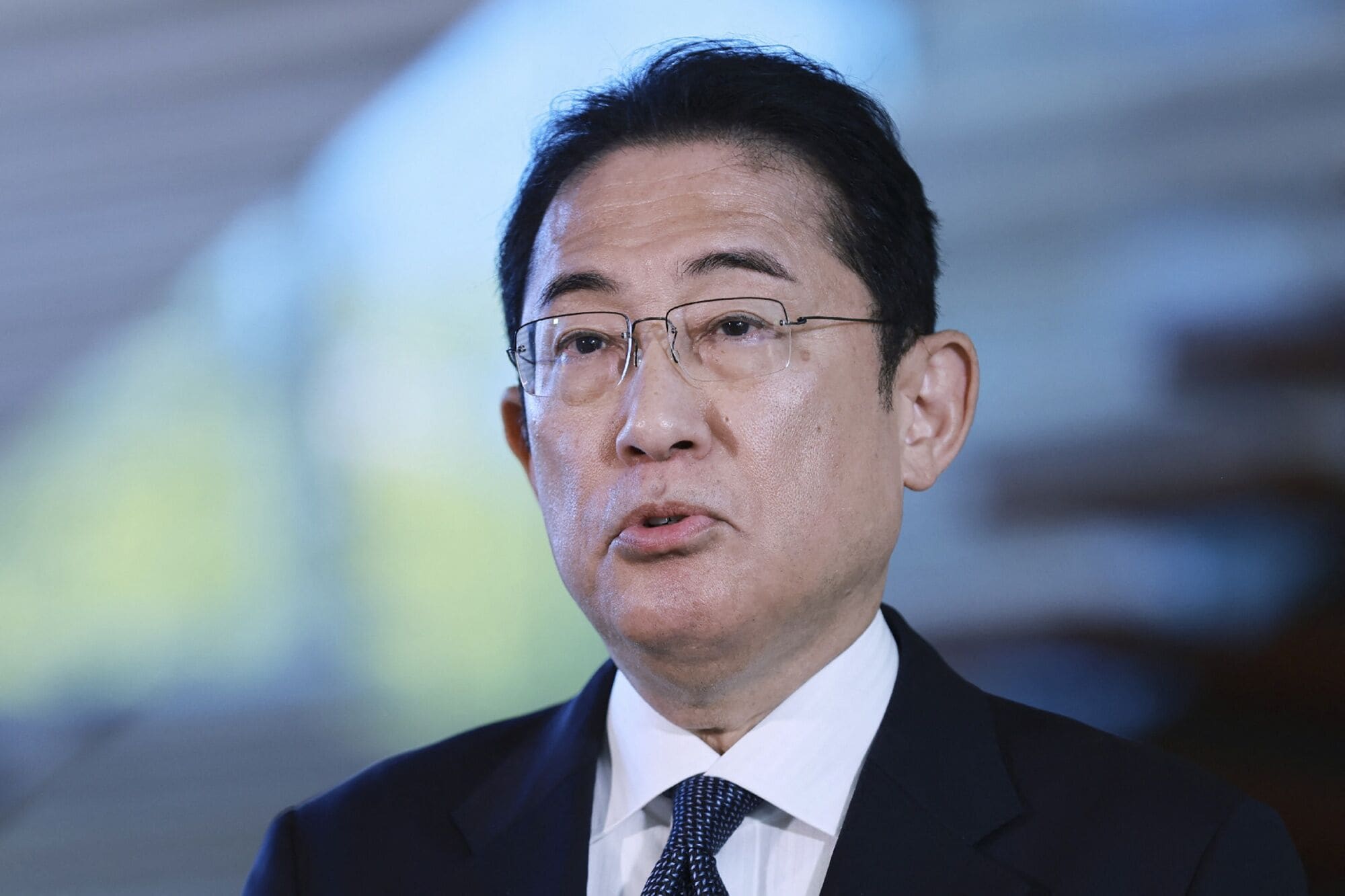
(Bloomberg) -- Japan is seeking talks with China to resolve a dispute over the disposal of treated wastewater from the ruined Fukushima nuclear plant, with top officials of both countries set to cross paths at the Asean summit.
Japanese Prime Minister Fumio Kishida and Chinese Premier Li Qiang will meet with Southeast Asian nations in Jakarta Wednesday and Thursday. There were concerns Li might use the forum to condemn Japan's water release in front of regional dignitaries.
Read more: China's Fury Over Fukushima Water Casts Pall on Asean Forum
Japan said this week it has requested discussions with China under the Regional Comprehensive Economic Partnership over Beijing's ban on Japanese seafood imports. Both countries are members of the pact, which also includes other Asia-Pacific nations such as South Korea, Indonesia and Singapore.
China has been the most vocal opponent to Japan's move, even though the International Atomic Energy Agency has determined that the practice meets with global safety standards. Beijing retaliated by suspending all seafood imports from Japan. There are also reports of harassment and abusive behavior toward Japanese people in China in response to the release.
Japan has warned of World Trade Organization action against China. Tokyo this week submitted its argument to the WTO explaining the safety of the water release. It also urged China to “immediately repeal” its import suspension.
Meanwhile, Kishida and Li are set to take part in the so-called Asean+3 summit on Wednesday, which also includes South Korea. It remains unclear if the two will hold an informal pull-aside meeting on the sidelines of the forum.
While the loss of China as an export market for items like scallops will have only a minimal effect on Japan's overall economy, the government is anxious to maintain the reputation of its food and protect its fishing industry.
Japanese officials have made extensive efforts to persuade various countries to remove remaining restrictions on Japanese food imports since the 2011 earthquake and tsunami that wrecked the Fukushima Dai-ichi nuclear plant.
--With assistance from James Mayger.
More stories like this are available on bloomberg.com
©2023 Bloomberg L.P.

-
Navigating Energy Crossroads: S Jaishankar's Call For Diversified Supply Chains At G20 Ministerial Meeting

As geopolitical fault lines continue to test maritime trade routes and commodity flows, Jaishankar's message remains pertinent: true economic resilience requires open markets, protected transit lines, and a genuine commitment to multilateral cooperation rather than coercion.
-
Indians Are Travelling, But Not Every Journey Is A Holiday | The Week In Whys
Pilgrims, patients and working women are the real travellers, and the system hasn't quite caught up with them.
-
Getting To Work Costs Women More | The Reason Why
It is not just about women paying more than men. It is about women paying much more in cities than in villages.
-
AI Bias In Investing Cannot Be Eliminated, But It Can Be Governed
Framing is a particularly important example as identical financial information presented in terms of gains rather than losses can lead an LLM to reach a different assessment.
-
Joining The Dots | Dark Skies, Steady Diya: Why Hope Holds This Diwali
With war, a weak rupee and foreign outflows weighing on sentiment, policymakers at the NDTV World Summit and market veterans at NDTV Profit Ignite: Diwali Edition offered the same advice: stay invested and filter out the noise.
-
The Curious Case of Equitas Small Finance Bank And A CEO Who Quit For Stock
PN Vasudevan believes persistent investor concerns over a perceived conflict of interest had become a governance overhang on Equitas Small Finance Bank's stock, even as the lender improved profitability and asset quality.
-
Talking Points This Week: AI Cash Burn, A Tiger Comeback And An India That Still Finds Its Own Path
India is not immune to higher oil or tighter global liquidity, yet its earnings base is broader, its domestic policy levers are still available.
-
Foreign Investors Own Half Of HDFC Bank and ICICI Bank. An LTCG Cut Could Matter Most Here
Foreign portfolio investors have US$115 billion parked in HDFC Bank, ICICI Bank. If the government cuts long-term capital gains tax, Jefferies says returning foreign money could land here first.
-
'Never Seen This Level Of Negativity': Sandeep Tandon Says The Next Rally May Be Closer Than You Think
Veteran investor Sandeep Tandon says foreign selling is easing, large-caps are due a comeback and mid-caps are crowded, while he turns positive on gold, power and pharma this Diwali.
-
Indians Stay With Family, Not In Hotels | The Reason Why
India still lacks enough clean, reliable and affordable hotels for budget-conscious travellers.










