Japan, China, South Korea Meet As US Tariff Pressure Rises
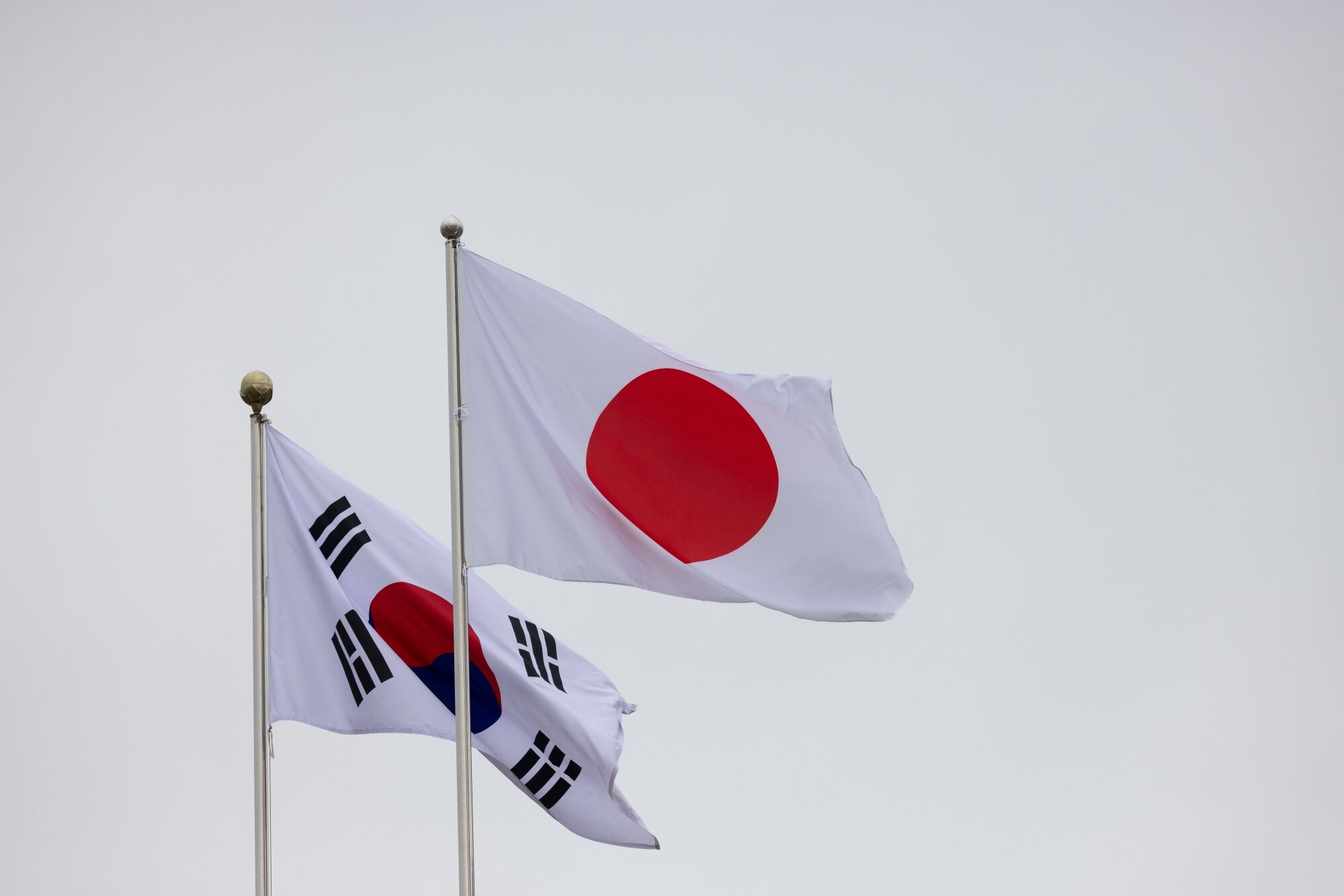
The foreign ministers of Japan, China, and South Korea held trilateral talks in Tokyo on Saturday, seeking to further cooperation and lay the groundwork for a potential leadership summit as the countries confront economic disruption and rising global political tensions.
“We shared the view that against the backdrop of the intertwined international situation and the weak recovery of the global economy, China, Japan and South Korea have the need and responsibility to further strengthen communication with each other, enhance mutual trust and deepen cooperation,” China's top diplomat Wang Yi said in remarks following the meeting.
Cooperation between the three nations in recent years has focused on promoting people-to-people exchanges, green transformation and exploring how best to manage aging societies, but trade pressures from the US loomed with less than two weeks before US President Donald Trump is set to unveil more tariffs on April 2.
“We uphold multilateralism and free trade, and strive to develop economic blocs and globalization in a more inclusive direction,” Wang said without elaborating further, alongside Japan's Foreign Minister Takeshi Iwaya and South Korean Foreign Minister Cho Tae-Yul.
Trilateral discussions will be focused mainly on areas of cooperation and regional issues, especially North Korea, a Japanese foreign ministry official said ahead of the meeting. US tariffs are not part of the agenda, although that topic may be raised, he said.
The trilateral meeting took place the same day Japan and China are set to hold their first economic dialogue in six years, an event aimed at reducing tensions between the Asian giants as they face trade pressure from the US.

China is Japan's largest trading partner but the two nations have been at loggerheads over issues including a territorial dispute and a ban imposed by Beijing on seafood from Japan following the release of wastewater from the crippled Fukushima Dai-ichi Nuclear Power Plant.
Surveys show Japanese firms in China have become more pessimistic about doing business in China due to rising geopolitical tensions, fraying bilateral ties and stiff competition from Chinese firms. Still, the scale and close proximity of the Chinese market means it's in Japan's interest to maintain stable relations.
Beijing has also been making moves to stabilize ties with its major trading partners as it faces rising trade tariffs from Washington.
“Large Japanese companies are still making profits from China, so Japan has no choice but to continue to do business with China,” said Norihiko Ishiguro, chairman of the Japan External Trade Organization.
The wastewater issue along with the working environment for Japanese businesses in China will likely be among topics during the economic dialogue, according to Japan's foreign ministry.
“I look forward to taking this opportunity to work with China to reduce our issues and concerns step by step, while increasing areas of cooperation and collaboration,” Foreign Minister Iwaya said earlier this week.

-
Ten Things I Learnt This Samvat

Patience can be a trap. Cheap stocks can stay cheap. Leverage can wipe you out. What did Samvat 2082 teach us? Niraj Shah writes on 10 lessons from the year gone by.
-
Talking Points This Week: Tech Nerves, FII Buying, And A Faraway Banking Shock
The global markets are not shining this Diwali. The exception in the large markets is, India.
-
Midterm Rally Lasted A Day. The Hard Reality Of A Divided US May Last Two Years | Opinion
Between a contested AI boom, a debt ceiling that arrives in 2027 and a president with every incentive to act alone, the next two years may prove more volatile than the first day's rally suggests.
-
Blue Wave Will Derail the AI Trade but Won't Dismantle the AI Era | Unhedged Position
The Democrats' sweep of the US Congress will see politics collide with economic forces both over the long and short term.
-
It's Time To Take The GST Council's Bet On Trust Global
Payment records can prove India's services exports, and clear, proportionate rules can bring foreign digital sellers into the tax net.
-
Opinion | India at 38: From Innovation Overperformer to Innovation Powerhouse
India now has 453 VC-backed deep science startups, 18 of them late-stage, after 117 percent growth since 2020. Laurus Labs, at USD 9.3 billion, is the most valuable deep science company in any middle-income economy outside China.
-
Navigating Energy Crossroads: S Jaishankar's Call For Diversified Supply Chains At G20 Ministerial Meeting
As geopolitical fault lines continue to test maritime trade routes and commodity flows, Jaishankar's message remains pertinent: true economic resilience requires open markets, protected transit lines, and a genuine commitment to multilateral cooperation rather than coercion.
-
Indians Are Travelling, But Not Every Journey Is A Holiday | The Week In Whys
Pilgrims, patients and working women are the real travellers, and the system hasn't quite caught up with them.
-
Getting To Work Costs Women More | The Reason Why
It is not just about women paying more than men. It is about women paying much more in cities than in villages.









