India’s Sovereign Rating Among Least Vulnerable To Currency Pressures: Moody’s
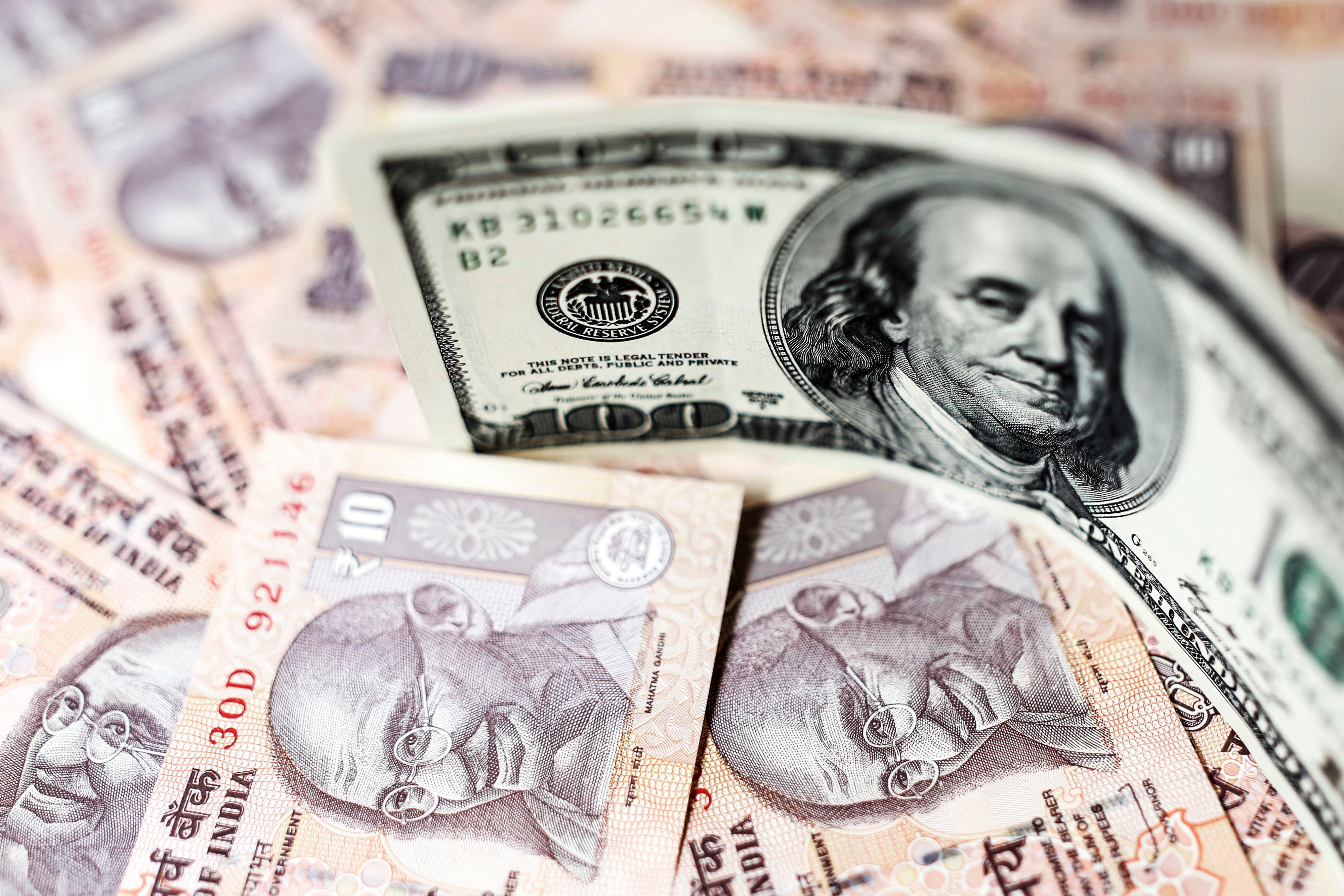
Turbulence in the currency markets, which has led to the rupee weakening to all-time lows, will have little impact on India's sovereign ratings. This is because of limited foreign currency borrowings by the government of India, global ratings agency Moody's Investors Service said in a report today.
“India is among the least vulnerable to tightening external financing conditions because of their low reliance on external capital inflows,” Moody's said. That puts India in the same bracket with Brazil, China, Mexico and Russia that Moody's considers as being relatively immune to currency pressures.
The rupee fell to a lifetime low of 69.09 against the U.S. dollar earlier today and has depreciated close to 8 percent so far this year. The previous all-time intraday low for the currency was 68.86 against the greenback on Nov. 24, 2016. The weakness in the Indian currency follows a stronger dollar, higher oil prices, wider current account deficit and foreign portfolio outflows.
However, India's strength lies in a “large and relatively stable” domestic financing base for paring government debt, said Moody's. This, in turn, shields the economy from abrupt changes in external financing conditions.
India's low dependence on foreign-currency borrowing to fund its debt burden limits the risk of currency depreciation transmitting into materially weaker debt affordability.Moody's Investors Service
Moody's noted that sovereign ratings of economies with large current account deficits, high external debt repayments and substantial foreign-currency government debt are most exposed to dollar strengthen. On those grounds, Argentina, Turkey and Sri Lanka are among the most exposed economies.
In the Indian context, the current account deficit came under pressure due to surging crude oil, but remains modest relative to GDP, according to Moody's. Also the deficit being largely financed by equity inflows and foreign direct investment serves as an added advantage. The current account deficit is expected to widen to 2.5 percent of the GDP by March, 2019.
Argentina, Turkey and Sri Lanka are among the most exposed economies to dollar strengthening based on large current account deficits, high external debt repayments and substantial foreign-currency government debt.
India's significant build up of foreign exchange reserves in the recent years to all-time highs provides a support buffer to help mitigate external vulnerability risk.Moody's Investors Service
Moody's Vice President Chirstian De Guzman spoke to BloombergQuint on its latest report.
Watch the full interaction here:

-
Ten Things I Learnt This Samvat

Patience can be a trap. Cheap stocks can stay cheap. Leverage can wipe you out. What did Samvat 2082 teach us? Niraj Shah writes on 10 lessons from the year gone by.
-
Talking Points This Week: Tech Nerves, FII Buying, And A Faraway Banking Shock
The global markets are not shining this Diwali. The exception in the large markets is, India.
-
Midterm Rally Lasted A Day. The Hard Reality Of A Divided US May Last Two Years | Opinion
Between a contested AI boom, a debt ceiling that arrives in 2027 and a president with every incentive to act alone, the next two years may prove more volatile than the first day's rally suggests.
-
Blue Wave Will Derail the AI Trade but Won't Dismantle the AI Era | Unhedged Position
The Democrats' sweep of the US Congress will see politics collide with economic forces both over the long and short term.
-
It's Time To Take The GST Council's Bet On Trust Global
Payment records can prove India's services exports, and clear, proportionate rules can bring foreign digital sellers into the tax net.
-
Opinion | India at 38: From Innovation Overperformer to Innovation Powerhouse
India now has 453 VC-backed deep science startups, 18 of them late-stage, after 117 percent growth since 2020. Laurus Labs, at USD 9.3 billion, is the most valuable deep science company in any middle-income economy outside China.
-
Navigating Energy Crossroads: S Jaishankar's Call For Diversified Supply Chains At G20 Ministerial Meeting
As geopolitical fault lines continue to test maritime trade routes and commodity flows, Jaishankar's message remains pertinent: true economic resilience requires open markets, protected transit lines, and a genuine commitment to multilateral cooperation rather than coercion.
-
Indians Are Travelling, But Not Every Journey Is A Holiday | The Week In Whys
Pilgrims, patients and working women are the real travellers, and the system hasn't quite caught up with them.
-
Getting To Work Costs Women More | The Reason Why
It is not just about women paying more than men. It is about women paying much more in cities than in villages.









