India’s Services Growth Expands At Fastest Pace In Nearly Two Years In July
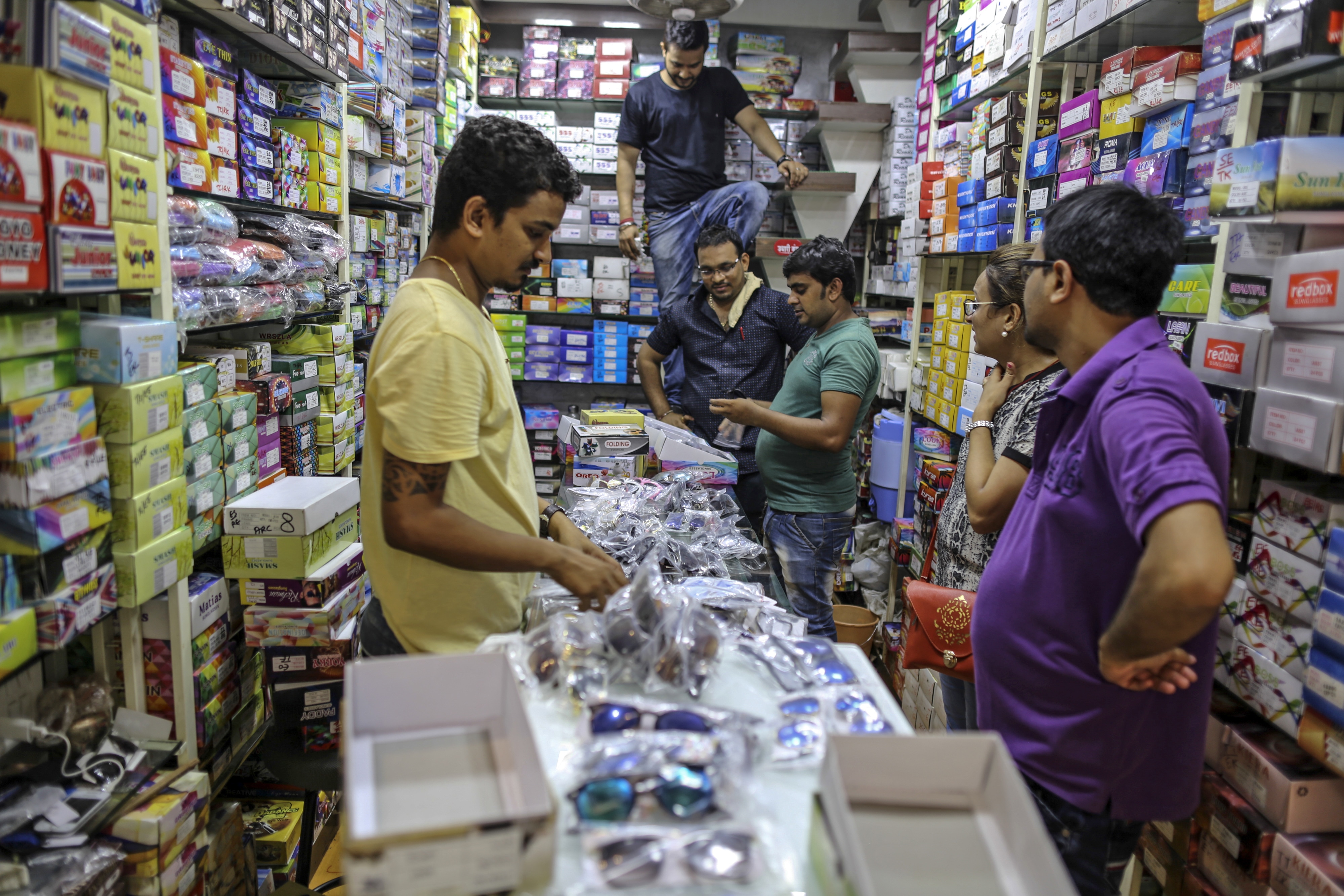
Activity in India's services sector, which contributes nearly 60 percent to the GDP, improved at its fastest pace in nearly two years in July on better demand and new business orders.
The Nikkei India Services Business Activity Index rose to 54.2 last month from 52.6 in June, according to a statement by research firm IHS Markit, which compiles the index. A reading below 50 indicates contraction in activity, while a number above it signals expansion. The July reading is the highest since October 2016, when it stood at 54.5.
Companies hired at their fastest pace since April as demand improved. Business confidence towards the 12-month outlook also picked up from the June low.
Activity in the manufacturing segment, too, had improved with the Nikkei India Purchasing Managers Index touching 52.3 in July. The Nikkei India Composite PMI Output Index rose to 54.1 last month from 53.3 in June.
“Marked expansions in both the sectors, with stronger growth in the latter, powered the fastest improvement in overall operating conditions in the economy since October 2016,” Aashna Dodhia, economist at the research firm, said.
But the economist also highlighted a few warning signs reflected by PMI price data. Services companies faced the fastest rise in input costs since March, Dodhia said. “Higher food and fuel prices contributed to the upward cost pressures.”
An uncertain global climate, currency weakness and a strong inflation may continue to put pressure on the central bank to hike interest rates over the coming months, Dodhia said.
Earlier this week, the Monetary Policy Committee hiked the benchmark interest rates for the second straight time by 25 basis points against the backdrop of rising inflation. Core inflation had inched up to 6.3 percent in May, while the headline inflation had risen to 5 percent.
Yet, despite a marked rise in cost burdens, service providers raised their output charges at the slowest pace since March 2017, according to the PMI survey. “Underlying data highlighted that firms were unable to fully pass on greater cost burdens to price-sensitive clients.”

-
A New Samvat Wishlist: Inclusive Prosperity And Human Development

India has strengthened its economic foundations through infrastructure, digital access and enterprise. Its next growth chapter must deepen productivity, create better livelihoods and widen participation in prosperity.
-
Love, Sex Aur Dhokha: The Audacious Plot To Spy On Jensen Huang
A Taipei dinner, a Singapore chip buyer and a suspected Chinese asset: inside the alleged spy operation that got close to NVIDIA's Jensen Huang.
-
Ten Things I Learnt This Samvat
Patience can be a trap. Cheap stocks can stay cheap. Leverage can wipe you out. What did Samvat 2082 teach us? Niraj Shah writes on 10 lessons from the year gone by.
-
Talking Points This Week: Tech Nerves, FII Buying, And A Faraway Banking Shock
The global markets are not shining this Diwali. The exception in the large markets is, India.
-
Midterm Rally Lasted A Day. The Hard Reality Of A Divided US May Last Two Years | Opinion
Between a contested AI boom, a debt ceiling that arrives in 2027 and a president with every incentive to act alone, the next two years may prove more volatile than the first day's rally suggests.
-
Blue Wave Will Derail the AI Trade but Won't Dismantle the AI Era | Unhedged Position
The Democrats' sweep of the US Congress will see politics collide with economic forces both over the long and short term.
-
It's Time To Take The GST Council's Bet On Trust Global
Payment records can prove India's services exports, and clear, proportionate rules can bring foreign digital sellers into the tax net.
-
Opinion | India at 38: From Innovation Overperformer to Innovation Powerhouse
India now has 453 VC-backed deep science startups, 18 of them late-stage, after 117 percent growth since 2020. Laurus Labs, at USD 9.3 billion, is the most valuable deep science company in any middle-income economy outside China.
-
Navigating Energy Crossroads: S Jaishankar's Call For Diversified Supply Chains At G20 Ministerial Meeting
As geopolitical fault lines continue to test maritime trade routes and commodity flows, Jaishankar's message remains pertinent: true economic resilience requires open markets, protected transit lines, and a genuine commitment to multilateral cooperation rather than coercion.









