India Slips 21 Slots On World Economic Forum’s Gender Gap Index
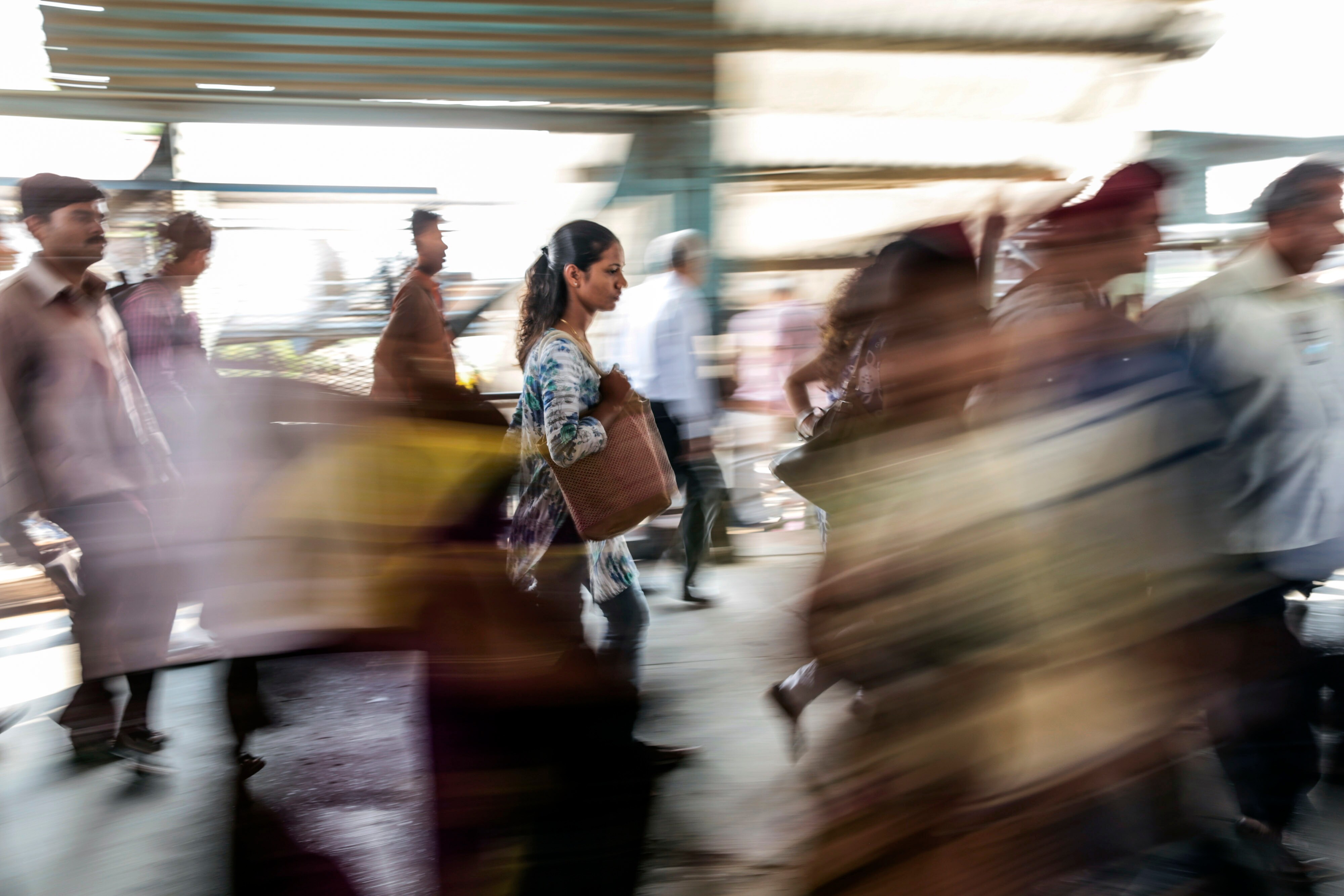
India slipped 21 places on the World Economic Forum's Global Gender Gap index to a lowly 108, behind neighbours China and Bangladesh, primarily due to less participation of women in the economy and low wages.
Moreover, India's latest ranking is 10 notches lower than its reading in 2006 when the WEF started measuring the gender gap.
According to the WEF Global Gender Gap Report 2017, India has closed 67 per cent of its gender gap, less than many of its international peers, and some of its neighbours like Bangladesh ranked 47th while China was placed at 100th.
Globally also, this year's story is a bleak one. For the first time since the WEF began measuring the gap across four pillars – health, education, the workplace and political representation – the global gap has actually widened.
A decade of slow but steady progress on improving parity between the sexes came to a halt in 2017, with the global gender gap widening for the first time since the WEF's Global Gender Gap Report was first published in 2006.WEF Report
The findings in this year's report, published today, showed that an overall 68 per cent of the global gender gap has been closed. This is a slight deterioration from 2016 when the gap closed was 68.3 percent.
At the current rate of progress, the global gender gap will take 100 years to bridge, compared to 83 last year. The case is worse in terms of workplace gender divide, which the report estimates will take 217 years to close.

On a positive note, however, a number of countries are bucking the dismal global trend as over one-half of all 144 countries measured this year have seen their score improve in the past 12 months, the report noted.
At the top of the Global Gender Gap Index is Iceland. The country has closed nearly 88 per cent of its gap. It has been the world's most gender-equal country for nine years.
Others in the top 10 include Norway (2nd), Finland (3rd), Rwanda (4) and Sweden (5), Nicaragua (6) and Slovenia (7), Ireland (8), New Zealand (9) and the Philippines (10).
Also Read: Being a Woman Got Even Worse in 2017, World Economic Forum Says
India's greatest challenges lie in the economic participation and opportunity pillar where the country is ranked 139 as well as health and survival pillar where the country is ranked 141, the WEF said.
The report attributed much of India's decline in position on the overall Global Gender Gap Index to a widening of its gender gaps in political empowerment as well as healthy life expectancy and basic literacy.
With more than 50 years having passed since the inauguration of the nation's first female prime minister in 1966, maintaining its global top 20 ranking on the political empowerment sub-index will require India to make progress on this dimension with a new generation of female political leadership.WEF Report

Moreover, the scale of India's gender gap in women's share among legislators, senior officials and managers as well as professional and technical workers highlights that continued efforts will be needed to achieve parity in economic opportunity and participation.
In India, the workplace gender gap is reinforced by extremely low participation of women in the economy (136 out of the total 144 countries covered) and low wages for those who work (136th ranking for estimated earned income), the WEF said, adding that “on average, 66 percent of women”s work in India is unpaid, compared to 12 percent of men's”.
On a positive note, India succeeded in fully closing its primary and secondary education enrolment gender gaps for the second year running and for the first time has nearly closed its tertiary education gender gap. However, it continues to rank fourth-lowest in the world on health and survival, remaining the world's least-improved country on this sub-index over the past decade, the WEF stated.
“Competitiveness on a national and on a business level will be decided more than ever before by the innovative capacity of a country or a company. Those will succeed best who understand to integrate women as an important force into their talent pool,” said Klaus Schwab, founder and Executive Chairman, World Economic Forum.
Watch this discussion with Supreme Court Lawyer Karuna Nundy and Sairee Chahal, founder and CEO of SHEROES, a job portal dedicated to women job seekers.

-
Navigating Energy Crossroads: S Jaishankar's Call For Diversified Supply Chains At G20 Ministerial Meeting

As geopolitical fault lines continue to test maritime trade routes and commodity flows, Jaishankar's message remains pertinent: true economic resilience requires open markets, protected transit lines, and a genuine commitment to multilateral cooperation rather than coercion.
-
Indians Are Travelling, But Not Every Journey Is A Holiday | The Week In Whys
Pilgrims, patients and working women are the real travellers, and the system hasn't quite caught up with them.
-
Getting To Work Costs Women More | The Reason Why
It is not just about women paying more than men. It is about women paying much more in cities than in villages.
-
AI Bias In Investing Cannot Be Eliminated, But It Can Be Governed
Framing is a particularly important example as identical financial information presented in terms of gains rather than losses can lead an LLM to reach a different assessment.
-
Joining The Dots | Dark Skies, Steady Diya: Why Hope Holds This Diwali
With war, a weak rupee and foreign outflows weighing on sentiment, policymakers at the NDTV World Summit and market veterans at NDTV Profit Ignite: Diwali Edition offered the same advice: stay invested and filter out the noise.
-
The Curious Case of Equitas Small Finance Bank And A CEO Who Quit For Stock
PN Vasudevan believes persistent investor concerns over a perceived conflict of interest had become a governance overhang on Equitas Small Finance Bank's stock, even as the lender improved profitability and asset quality.
-
Talking Points This Week: AI Cash Burn, A Tiger Comeback And An India That Still Finds Its Own Path
India is not immune to higher oil or tighter global liquidity, yet its earnings base is broader, its domestic policy levers are still available.
-
Foreign Investors Own Half Of HDFC Bank and ICICI Bank. An LTCG Cut Could Matter Most Here
Foreign portfolio investors have US$115 billion parked in HDFC Bank, ICICI Bank. If the government cuts long-term capital gains tax, Jefferies says returning foreign money could land here first.
-
'Never Seen This Level Of Negativity': Sandeep Tandon Says The Next Rally May Be Closer Than You Think
Veteran investor Sandeep Tandon says foreign selling is easing, large-caps are due a comeback and mid-caps are crowded, while he turns positive on gold, power and pharma this Diwali.
-
Indians Stay With Family, Not In Hotels | The Reason Why
India still lacks enough clean, reliable and affordable hotels for budget-conscious travellers.










