Emerging Currencies Lose Steam On Dampening Rate-Cut Bets
(Bloomberg) -- Emerging-market currencies dipped Friday on dwindling optimism over Federal Reserve rate cuts, paring their fourth-straight week of gains. A gauge of developing-nations currencies closed 0.1% lower as investors processed comments from Fed officials suggesting that rates should stay higher for longer. MSCI Inc.'s benchmark for equities advanced for a sixth day its longest winning streak since February.
“It will be difficult for EM FX to put together a sustained rally if the Fed pushes out cuts further and doesn't make decisive pivot toward cuts this year,” said Brendan McKenna, emerging-markets FX strategist at Wells Fargo & Co. “I think the Fed can still deliver at least one cut by the end of this year, but Fedspeak has shifted less dovish recently.”
Most Latin American currencies gained on Friday, led by the Chilean peso. Meanwhile, Asian currencies edged lower, with the South Korean won lagging peers.

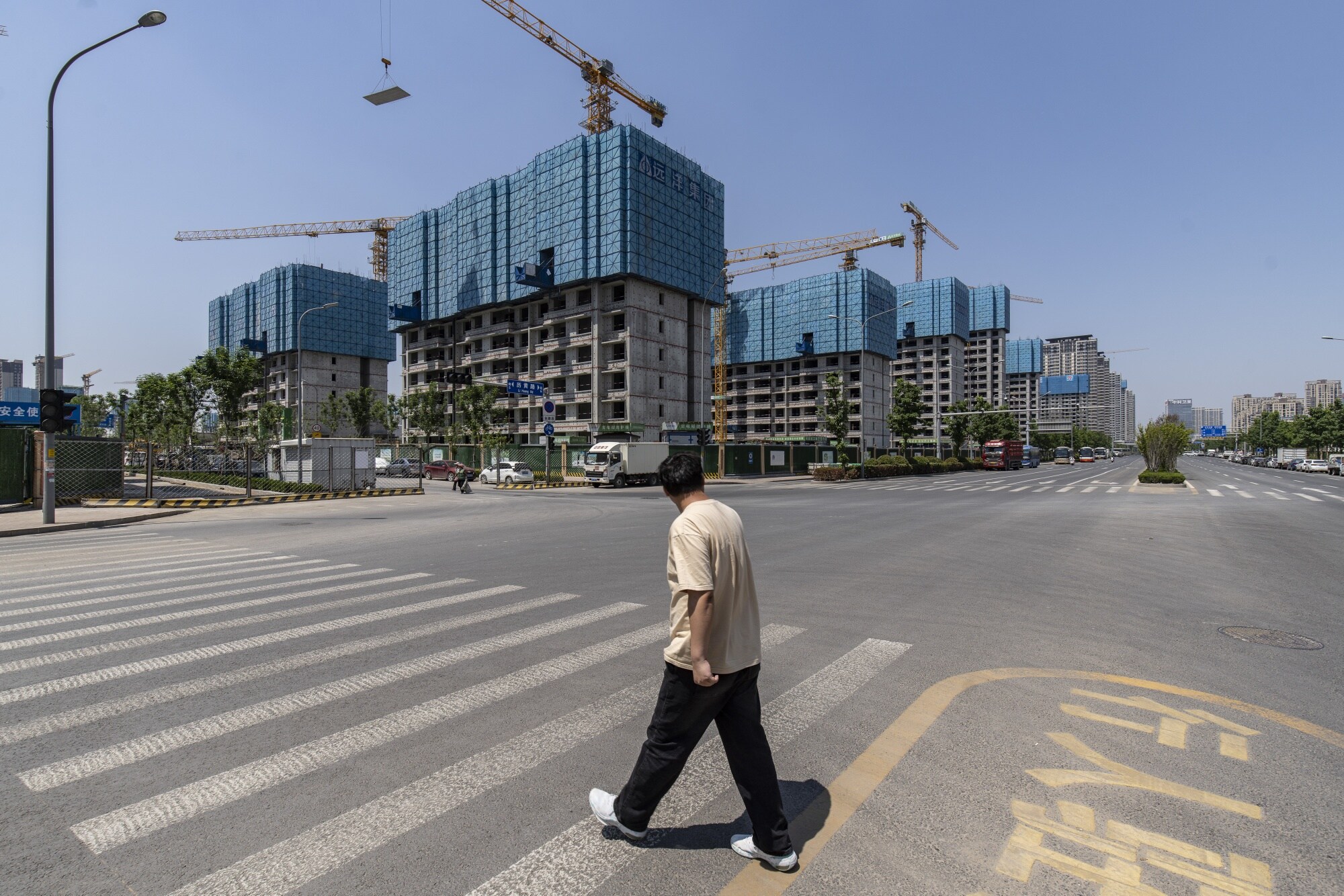
China announced its most forceful attempt yet to shore up the beleaguered property market, easing mortgage rules and encouraging local governments to buy unsold homes from developers for conversion into affordable housing. The Shanghai Stock Exchange Property Index surged following the statement.
EM Fundamentals
Those factors added to the general risk-on mode this week following a report that showed inflation in the US was cooling, though global markets turned mixed by Friday.
“When we cut EM risk a few weeks ago, we had pointed out that higher US rates and a stronger dollar are a toxic mix for EM local,” Luis Costa, global head of EM sovereign debt strategy at Citigroup, said in an email. “Since then, the combination of FOMC speeches and the weaker growth data out of the US have led to US rates being more contained, as well as to a weaker dollar. This suggests that EM local can do better again.”
Emerging-market fundamentals are in “reasonably good shape” overall, Costa said.
In Latin America, Brazil's Petrobras preferred shares recorded their worst weekly drop since November 2022, as the sudden ouster of the company's CEO raised uncertainty around risks of political interference in the company ahead
A stronger Mexican peso is driving multinational companies to more aggressive hedging strategies. Commercial traders, who tap the currency futures and options market for protection, increased peso shorts in April to the highest level in more than four years.
Elsewhere, S&P Global Ratings raised Ivory Coast's outlook to positive from stable, while keeping its long-term foreign currency debt rating at BB-, after a Eurobond sale earlier this year bolstered its finances.
More stories like this are available on bloomberg.com
©2024 Bloomberg L.P.

-
Ten Things I Learnt This Samvat

Patience can be a trap. Cheap stocks can stay cheap. Leverage can wipe you out. What did Samvat 2082 teach us? Niraj Shah writes on 10 lessons from the year gone by.
-
Talking Points This Week: Tech Nerves, FII Buying, And A Faraway Banking Shock
The global markets are not shining this Diwali. The exception in the large markets is, India.
-
Midterm Rally Lasted A Day. The Hard Reality Of A Divided US May Last Two Years | Opinion
Between a contested AI boom, a debt ceiling that arrives in 2027 and a president with every incentive to act alone, the next two years may prove more volatile than the first day's rally suggests.
-
Blue Wave Will Derail the AI Trade but Won't Dismantle the AI Era | Unhedged Position
The Democrats' sweep of the US Congress will see politics collide with economic forces both over the long and short term.
-
It's Time To Take The GST Council's Bet On Trust Global
Payment records can prove India's services exports, and clear, proportionate rules can bring foreign digital sellers into the tax net.
-
Opinion | India at 38: From Innovation Overperformer to Innovation Powerhouse
India now has 453 VC-backed deep science startups, 18 of them late-stage, after 117 percent growth since 2020. Laurus Labs, at USD 9.3 billion, is the most valuable deep science company in any middle-income economy outside China.
-
Navigating Energy Crossroads: S Jaishankar's Call For Diversified Supply Chains At G20 Ministerial Meeting
As geopolitical fault lines continue to test maritime trade routes and commodity flows, Jaishankar's message remains pertinent: true economic resilience requires open markets, protected transit lines, and a genuine commitment to multilateral cooperation rather than coercion.
-
Indians Are Travelling, But Not Every Journey Is A Holiday | The Week In Whys
Pilgrims, patients and working women are the real travellers, and the system hasn't quite caught up with them.
-
Getting To Work Costs Women More | The Reason Why
It is not just about women paying more than men. It is about women paying much more in cities than in villages.









