Pakistan Faces Days More Disruption Even as Blackout Ends
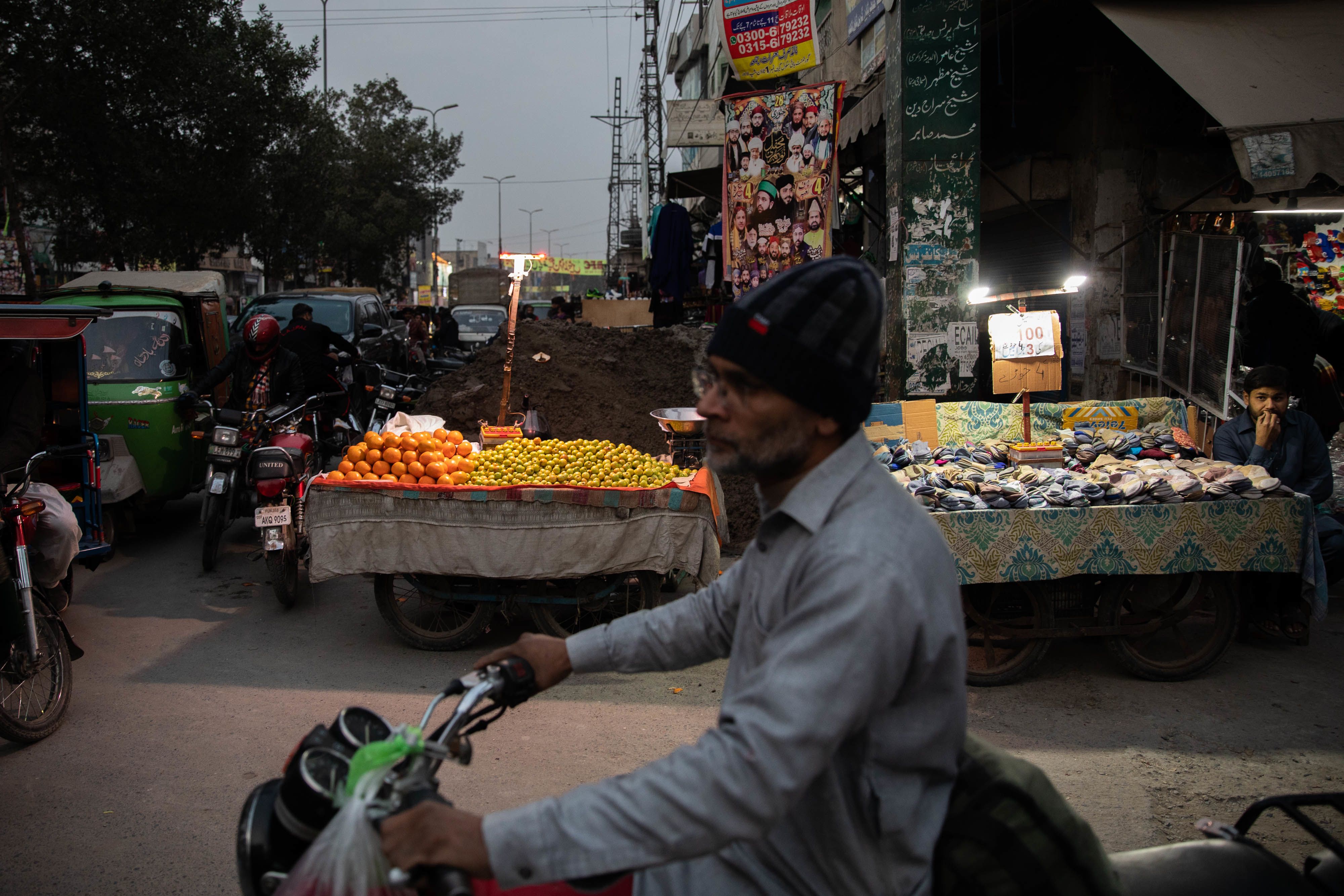
(Bloomberg) -- Electricity supply was restored across Pakistan after a nationwide blackout that lasted about 24 hours in some regions, though work to fully reconnect power plants may cause more disruptions in the coming days.
A vast swath of the 220 million population were left without power after the national grid failed on Monday morning, forcing hospitals to switch to back-up generators and causing major disruption to mobile and internet services.
“The power system is completely restored,” Energy Minister Khurram Dastgir Khan told reporters Tuesday. “We are supervising and trying to ensure that such incidents don't recur.”

The precise cause of the outage remains unknown and Prime Minister Shehbaz Sharif has ordered an investigation, Khan said. That will assess whether external hacking could have been a contributor, according to the minister, who also pointed earlier to a period of low demand and a decision to save costs by taking some plants offline as potential catalysts.
Pakistan is grappling with a series of energy challenges, including aging electricity transmission infrastructure that's suffered repeated recent outages and a major failure of the national grid in January 2021.
Surging costs of fuel imports amid last year's squeeze on global energy supplies have exacerbated the nation's difficulties with soaring inflation and dwindling foreign currency reserves. Conditions for funding from the International Monetary Fund include a further hike in energy prices.
Rolling blackouts and fuel rationing have been in place for months, and a recent series of proposals aims to cut power demand by about half. Public sector employees have been requested to work from home, while shopping malls, markets and restaurants are being asked to close earlier than usual.
Read more: Pakistan Raises Key Rate to 24-Year High as Crises Mount
Parts of the country will continue to face power shortages for at least the next 48 hours as coal and nuclear plants are brought fully back online, Khan said.
Pakistan will focus attention on upgrading safety mechanisms in the electricity distribution system, and a total of 80 billion rupees ($346 million) of projects have begun in recent months, he said.
--With assistance from .
(Updates with energy minister comment on power restored from first paragraph.)
More stories like this are available on bloomberg.com
©2023 Bloomberg L.P.

-
Love, Sex Aur Dhokha: The Audacious Plot To Spy On Jensen Huang

A Taipei dinner, a Singapore chip buyer and a suspected Chinese asset: inside the alleged spy operation that got close to NVIDIA's Jensen Huang.
-
Ten Things I Learnt This Samvat
Patience can be a trap. Cheap stocks can stay cheap. Leverage can wipe you out. What did Samvat 2082 teach us? Niraj Shah writes on 10 lessons from the year gone by.
-
Talking Points This Week: Tech Nerves, FII Buying, And A Faraway Banking Shock
The global markets are not shining this Diwali. The exception in the large markets is, India.
-
Midterm Rally Lasted A Day. The Hard Reality Of A Divided US May Last Two Years | Opinion
Between a contested AI boom, a debt ceiling that arrives in 2027 and a president with every incentive to act alone, the next two years may prove more volatile than the first day's rally suggests.
-
Blue Wave Will Derail the AI Trade but Won't Dismantle the AI Era | Unhedged Position
The Democrats' sweep of the US Congress will see politics collide with economic forces both over the long and short term.
-
It's Time To Take The GST Council's Bet On Trust Global
Payment records can prove India's services exports, and clear, proportionate rules can bring foreign digital sellers into the tax net.
-
Opinion | India at 38: From Innovation Overperformer to Innovation Powerhouse
India now has 453 VC-backed deep science startups, 18 of them late-stage, after 117 percent growth since 2020. Laurus Labs, at USD 9.3 billion, is the most valuable deep science company in any middle-income economy outside China.
-
Navigating Energy Crossroads: S Jaishankar's Call For Diversified Supply Chains At G20 Ministerial Meeting
As geopolitical fault lines continue to test maritime trade routes and commodity flows, Jaishankar's message remains pertinent: true economic resilience requires open markets, protected transit lines, and a genuine commitment to multilateral cooperation rather than coercion.
-
Indians Are Travelling, But Not Every Journey Is A Holiday | The Week In Whys
Pilgrims, patients and working women are the real travellers, and the system hasn't quite caught up with them.









