Fed Can’t Protect US Economy From Debt Default, Powell Says
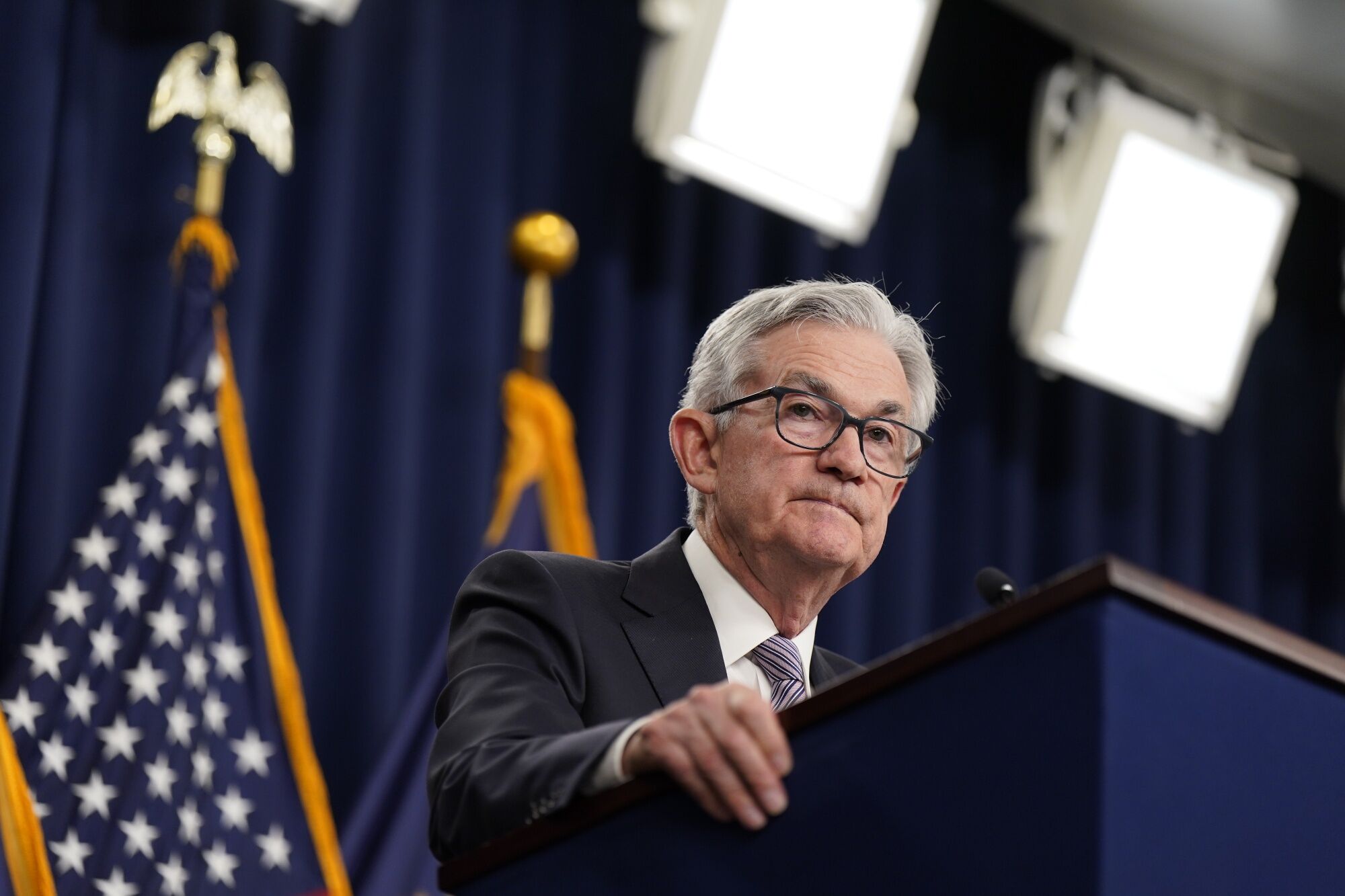
(Bloomberg) -- Federal Reserve Chair Jerome Powell said the failure to raise the US government debt limit would be unprecedented and have highly uncertain and negative effects on the economy.
“We'd be in unchartered territory and the consequences on the US economy could be highly uncertain and adverse,” Powell told reporters Wednesday after Fed officials completed their two-day policy meeting. “No one should assume that the Fed can protect the economy from the potential short and long-term effects of a failure to pay our bills on time.”
The US central bank lifted interest rates by a quarter point this week, bringing the target on its benchmark rate to a range of 5% to 5.25%. Powell said officials discussed the debt limit as a risk but that it did not influence their decision on rates.
Treasury Secretary Janet Yellen told US lawmakers this week that her department's ability to use special accounting maneuvers to stay within the federal debt limit could be exhausted as soon as the start of June. That leaves the government one month to reach an agreement that raises the borrowing limit and avoids a catastrophic default on US debt.
However, President Joe Biden and members of the House and Senate are scheduled to be in town at the same time for only one week between now and June 1. That short time-frame makes it less likely the two groups will be able to reach a long-term deal before the date Yellen identified, though she said the actual X-date could be a number of weeks later.
The two parties are at a political impasse. Speaker Kevin McCarthy pushed a Republican bill through the House last month that tied a debt-limit increase to sweeping spending cuts. But the bill cannot pass in the Democratic-controlled Senate. Meanwhile, Biden has said he's willing to discuss measures to reduce budget deficits, but those ought to be addressed separately from the debt-limit legislation.
Powell said the Fed does not get involved in negotiations. “We don't give advice to either aside,” Powell said. “We just would just point out that it's very important that this be done.”
More stories like this are available on bloomberg.com
©2023 Bloomberg L.P.

-
Ten Things I Learnt This Samvat

Patience can be a trap. Cheap stocks can stay cheap. Leverage can wipe you out. What did Samvat 2082 teach us? Niraj Shah writes on 10 lessons from the year gone by.
-
Talking Points This Week: Tech Nerves, FII Buying, And A Faraway Banking Shock
The global markets are not shining this Diwali. The exception in the large markets is, India.
-
Midterm Rally Lasted A Day. The Hard Reality Of A Divided US May Last Two Years | Opinion
Between a contested AI boom, a debt ceiling that arrives in 2027 and a president with every incentive to act alone, the next two years may prove more volatile than the first day's rally suggests.
-
Blue Wave Will Derail the AI Trade but Won't Dismantle the AI Era | Unhedged Position
The Democrats' sweep of the US Congress will see politics collide with economic forces both over the long and short term.
-
It's Time To Take The GST Council's Bet On Trust Global
Payment records can prove India's services exports, and clear, proportionate rules can bring foreign digital sellers into the tax net.
-
Opinion | India at 38: From Innovation Overperformer to Innovation Powerhouse
India now has 453 VC-backed deep science startups, 18 of them late-stage, after 117 percent growth since 2020. Laurus Labs, at USD 9.3 billion, is the most valuable deep science company in any middle-income economy outside China.
-
Navigating Energy Crossroads: S Jaishankar's Call For Diversified Supply Chains At G20 Ministerial Meeting
As geopolitical fault lines continue to test maritime trade routes and commodity flows, Jaishankar's message remains pertinent: true economic resilience requires open markets, protected transit lines, and a genuine commitment to multilateral cooperation rather than coercion.
-
Indians Are Travelling, But Not Every Journey Is A Holiday | The Week In Whys
Pilgrims, patients and working women are the real travellers, and the system hasn't quite caught up with them.
-
Getting To Work Costs Women More | The Reason Why
It is not just about women paying more than men. It is about women paying much more in cities than in villages.









