ECB Steps Up Pressure On Banks To Exercise Bonus Caution

(Bloomberg) -- The European Central Bank is ratcheting up pressure on some banks to keep 2022 bonuses in check amid fears about the darkening economic outlook, according to people with knowledge of the matter.
The euro area's top banking supervisor has told individual lenders recently that it expects restraint in variable pay and dividends as it's concerned the energy crunch could result in a wave of defaults, the people said, asking not to be identified as the discussions are private. The warnings have gained in urgency, with the ECB now seeing a sharper slowdown in Europe next year as a likely scenario, the people said.
The rising pressure comes as several euro area banks including UniCredit SpA, Commerzbank AG and Deutsche Bank AG recently gave bullish guidance, even with surging inflation and rising interest rates weighing on the economic outlook. The lenders have also said it's unlikely they'll need to make massive credit provisions even with the additional challenge of soaring energy prices in Europe.
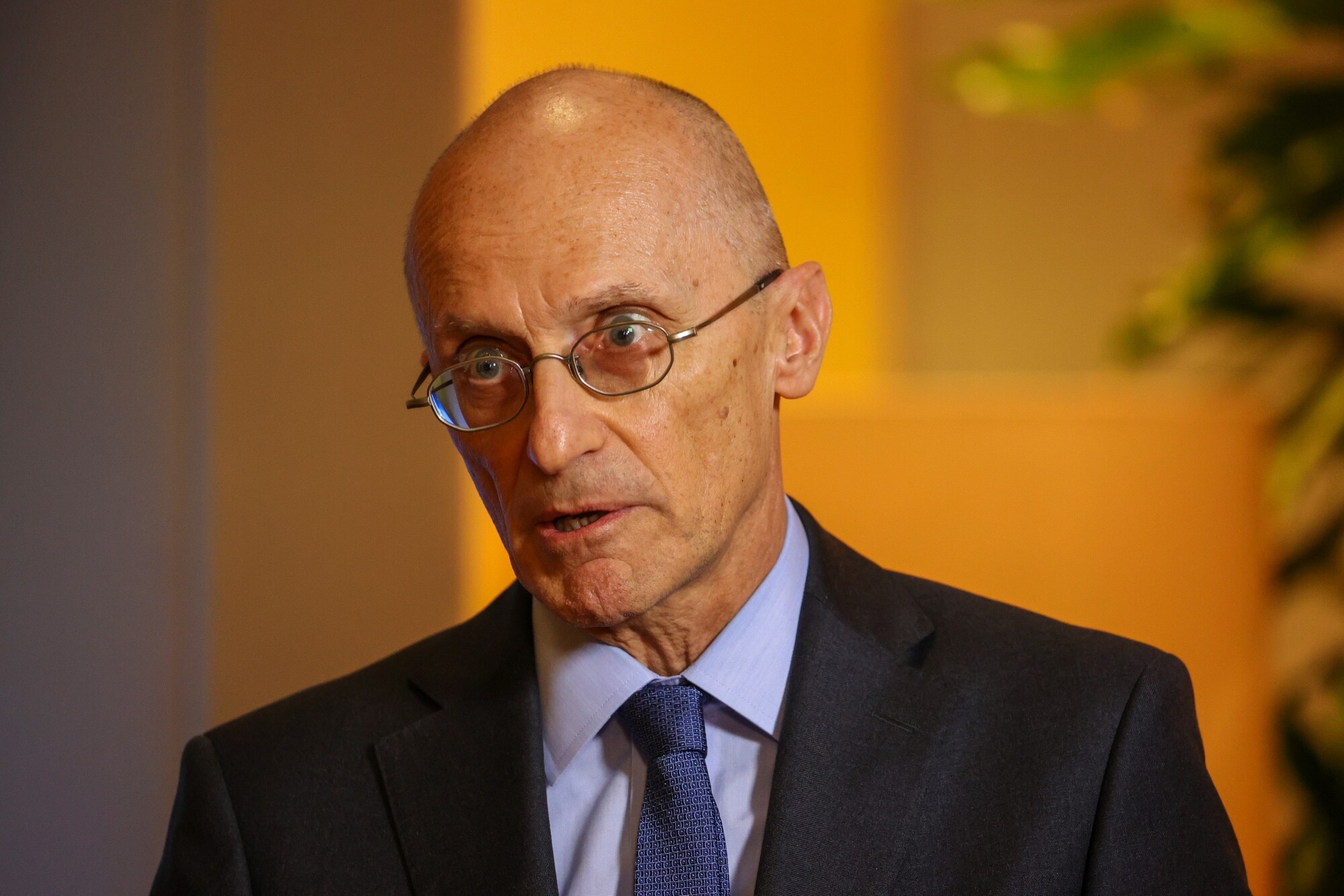
The ECB thinks lenders may be underestimating the risks. There's “a certain reluctance on the side of banks to seriously engage in supervisory discussions,” Andrea Enria, who leads the ECB's supervisory board, said recently. Europe is facing “a persistent and fully-fledged macroeconomic shock,” which requires supervisors “to exercise extreme caution,” he said.
ECB statistics released Friday show some early warning signs. The aggregate share of so-called stage two loans, where a borrower's prospects have worsened, continued to rise. They reached 9.7% of total loans in the second quarter, up from 9.3% three months earlier. Still, the industry's bad loans fell overall, while its capital levels were stable.
The ECB has previously shown it's ready to intervene if it believes a bank's bonus plans are excessive against the backdrop of heightened economic risks. It urged particular moderation during the Covid pandemic and subsequently forced several lenders including BNP Paribas SA, Deutsche Bank and UniCredit to cut their bonus pools for 2020, Bloomberg has reported.
An ECB spokesman declined to comment.
Bonuses tend to account for a smaller amount of capital outflows than dividends, though examples like Deutsche Bank show that's not always the case. Like all outflows, variable compensation can eat into a firm's financial reserves.
The ECB pressure creates a conundrum for many banks as they're headed for healthy profits after strong trading results. That typically leads to expectations among bankers that they'll receive higher bonuses. Many lenders have also promised to make substantial payouts to investors over the coming years, potentially setting them up for a shareholder backlash if they end up reducing those amounts.
But choosing a heavy-handed approach to provisions and forcing banks to lower payouts can also create issues for the ECB. Enria said in his recent speech that warnings during the early Covid pandemic days that credit defaults might increase dramatically proved too pessimistic, feeding an attitude among banks “to dismiss their supervisors' calls for prudence as unjustified conservatism.”
The ECB in 2020 urged banks to set aside large provisions in the face of the Covid lockdowns, which created a big drag on profits that year. The supervisor also implemented a de-facto ban on dividends and share buybacks that turned out to be damaging for bank valuations and became a target of public criticism from several high-profile euro area bankers.
The ECB scrapped the pandemic-related restrictions on dividends and bonuses in 2021 and instead replaced them with an appeal to banks to adopt “a prudent and forward-looking approach” when deciding on bonuses.
(Updates with ECB statistics on doubtful loans in fifth paragraph)
More stories like this are available on bloomberg.com
©2022 Bloomberg L.P.

-
Love, Sex Aur Dhokha: The Audacious Plot To Spy On Jensen Huang

A Taipei dinner, a Singapore chip buyer and a suspected Chinese asset: inside the alleged spy operation that got close to NVIDIA's Jensen Huang.
-
Ten Things I Learnt This Samvat
Patience can be a trap. Cheap stocks can stay cheap. Leverage can wipe you out. What did Samvat 2082 teach us? Niraj Shah writes on 10 lessons from the year gone by.
-
Talking Points This Week: Tech Nerves, FII Buying, And A Faraway Banking Shock
The global markets are not shining this Diwali. The exception in the large markets is, India.
-
Midterm Rally Lasted A Day. The Hard Reality Of A Divided US May Last Two Years | Opinion
Between a contested AI boom, a debt ceiling that arrives in 2027 and a president with every incentive to act alone, the next two years may prove more volatile than the first day's rally suggests.
-
Blue Wave Will Derail the AI Trade but Won't Dismantle the AI Era | Unhedged Position
The Democrats' sweep of the US Congress will see politics collide with economic forces both over the long and short term.
-
It's Time To Take The GST Council's Bet On Trust Global
Payment records can prove India's services exports, and clear, proportionate rules can bring foreign digital sellers into the tax net.
-
Opinion | India at 38: From Innovation Overperformer to Innovation Powerhouse
India now has 453 VC-backed deep science startups, 18 of them late-stage, after 117 percent growth since 2020. Laurus Labs, at USD 9.3 billion, is the most valuable deep science company in any middle-income economy outside China.
-
Navigating Energy Crossroads: S Jaishankar's Call For Diversified Supply Chains At G20 Ministerial Meeting
As geopolitical fault lines continue to test maritime trade routes and commodity flows, Jaishankar's message remains pertinent: true economic resilience requires open markets, protected transit lines, and a genuine commitment to multilateral cooperation rather than coercion.
-
Indians Are Travelling, But Not Every Journey Is A Holiday | The Week In Whys
Pilgrims, patients and working women are the real travellers, and the system hasn't quite caught up with them.









