China Barred From Buying US Oil Reserves In Funding Bill
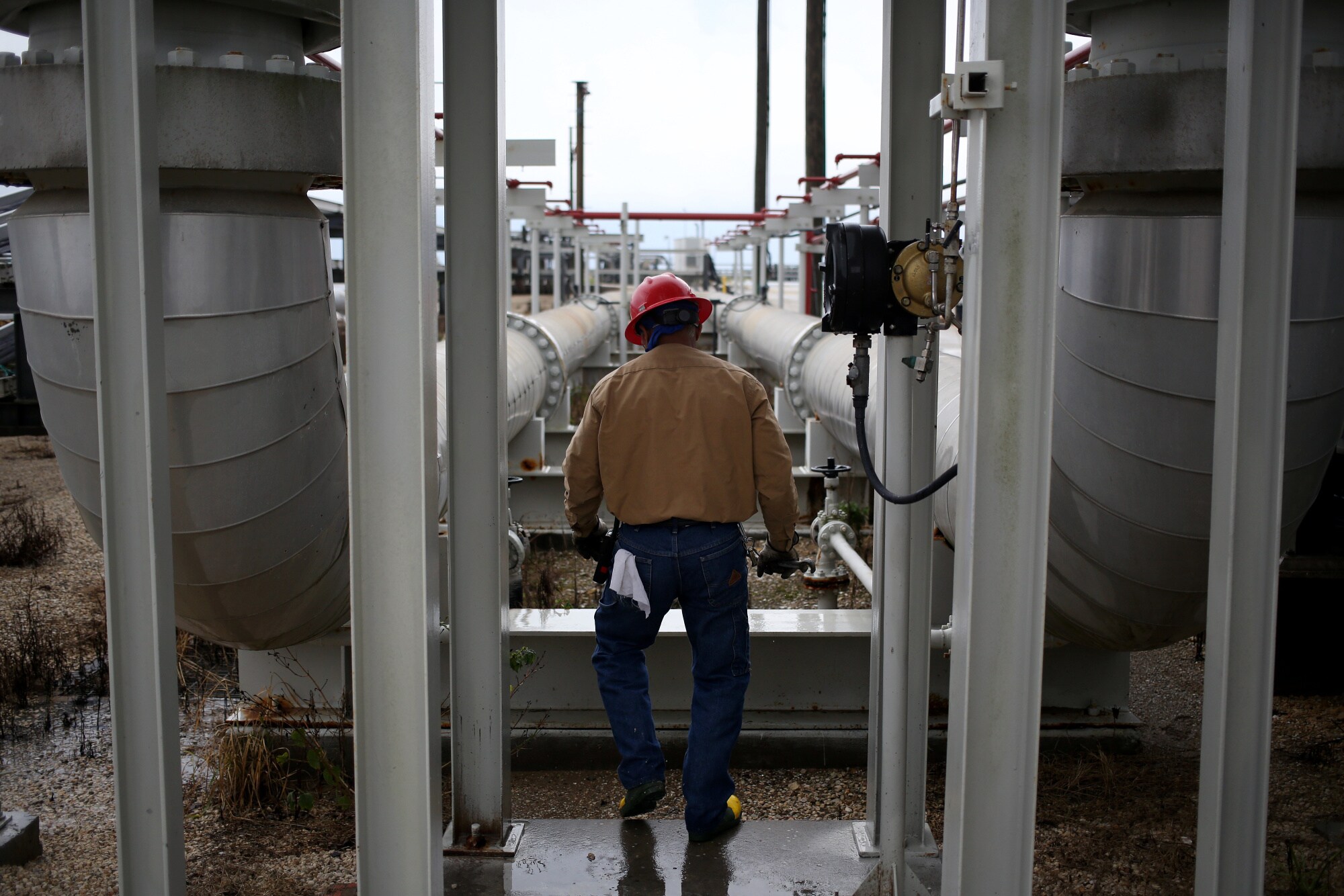
(Bloomberg) -- China would be barred from buying oil from the US's emergency stockpiles under a provision included in must-pass government funding legislation unveiled Sunday.
Republican critics have sought to bar the sale of oil from the Strategic Petroleum Reserve to China, after nearly 1 million barrels released from the oil reserve in 2022 were sold to Unipec America Inc., a Houston-based subsidiary of China-owned Sinopec Corp.
Read More: Congress Reveals Plan to Fund Parts of Government Into September
The White House has said the Energy Department is required by law to sell oil from the Strategic Petroleum Reserve in a competitive auction to the highest bidder, regardless of whether the bidder is a foreign company. The Trump administration sold oil to PetroChina International, a subsidiary of Chinese state oil company PetroChina Co., in 2017.
“Scant prior SPR sales” to Chinese entities would mute the provision's impact, ClearView Energy Partners wrote in a note to clients Monday. It noted that the measure would expire at the end of fiscal year 2024 unless renewed by Congress.
The Strategic Petroleum Reserve, created in the aftermath of the Arab oil embargo in the 1970s, currently stands at 360 million barrels, close to a 40-year-low, following the Biden administration's historic release of 180 million barrels in 2022 to tame high oil gas prices in the aftermath of Russia's invasion of Ukraine.
The administration has been slowly trying to refill it — purchasing some 23 million barrels since last year.
The language in the government-funding legislation is similar to a bill passed by the Republican-controlled House last year barring the sale of Strategic Petroleum Reserve oil to China that was never taken up in the Senate. Congress aims to pass the bill before a Friday partial shutdown deadline.
--With assistance from Erik Wasson.
(Updates with analyst's note in fourth paragraph.)
More stories like this are available on bloomberg.com
©2024 Bloomberg L.P.

-
Love, Sex Aur Dhokha: The Audacious Plot To Spy On Jensen Huang

A Taipei dinner, a Singapore chip buyer and a suspected Chinese asset: inside the alleged spy operation that got close to NVIDIA's Jensen Huang.
-
Ten Things I Learnt This Samvat
Patience can be a trap. Cheap stocks can stay cheap. Leverage can wipe you out. What did Samvat 2082 teach us? Niraj Shah writes on 10 lessons from the year gone by.
-
Talking Points This Week: Tech Nerves, FII Buying, And A Faraway Banking Shock
The global markets are not shining this Diwali. The exception in the large markets is, India.
-
Midterm Rally Lasted A Day. The Hard Reality Of A Divided US May Last Two Years | Opinion
Between a contested AI boom, a debt ceiling that arrives in 2027 and a president with every incentive to act alone, the next two years may prove more volatile than the first day's rally suggests.
-
Blue Wave Will Derail the AI Trade but Won't Dismantle the AI Era | Unhedged Position
The Democrats' sweep of the US Congress will see politics collide with economic forces both over the long and short term.
-
It's Time To Take The GST Council's Bet On Trust Global
Payment records can prove India's services exports, and clear, proportionate rules can bring foreign digital sellers into the tax net.
-
Opinion | India at 38: From Innovation Overperformer to Innovation Powerhouse
India now has 453 VC-backed deep science startups, 18 of them late-stage, after 117 percent growth since 2020. Laurus Labs, at USD 9.3 billion, is the most valuable deep science company in any middle-income economy outside China.
-
Navigating Energy Crossroads: S Jaishankar's Call For Diversified Supply Chains At G20 Ministerial Meeting
As geopolitical fault lines continue to test maritime trade routes and commodity flows, Jaishankar's message remains pertinent: true economic resilience requires open markets, protected transit lines, and a genuine commitment to multilateral cooperation rather than coercion.
-
Indians Are Travelling, But Not Every Journey Is A Holiday | The Week In Whys
Pilgrims, patients and working women are the real travellers, and the system hasn't quite caught up with them.









