Charting The Global Economy: Inflation Cools In US And UK

Measures of inflation eased in the US and UK last month, propping up bond prices after deep selloffs and bolstering bets on interest-rate cuts.
In the US, the core consumer price index — which strips out food and energy costs — stepped down for the first time in six months, restrained by cheaper hotel stays, a smaller advance in medical care services and relatively tame rent increases. UK inflation unexpectedly cooled for the first time in three months thanks to softer travel costs.
Meanwhile, China's economy — unadjusted for price changes — clocked in last year at the second-slowest pace since it started shifting to a market economy in the late 1970s. While real growth reached 5%, the economy grew just 4.2% when adjusted for deflation.
Here are some of the charts that appeared on Bloomberg this week on the latest developments in the global economy, markets and geopolitics:
US
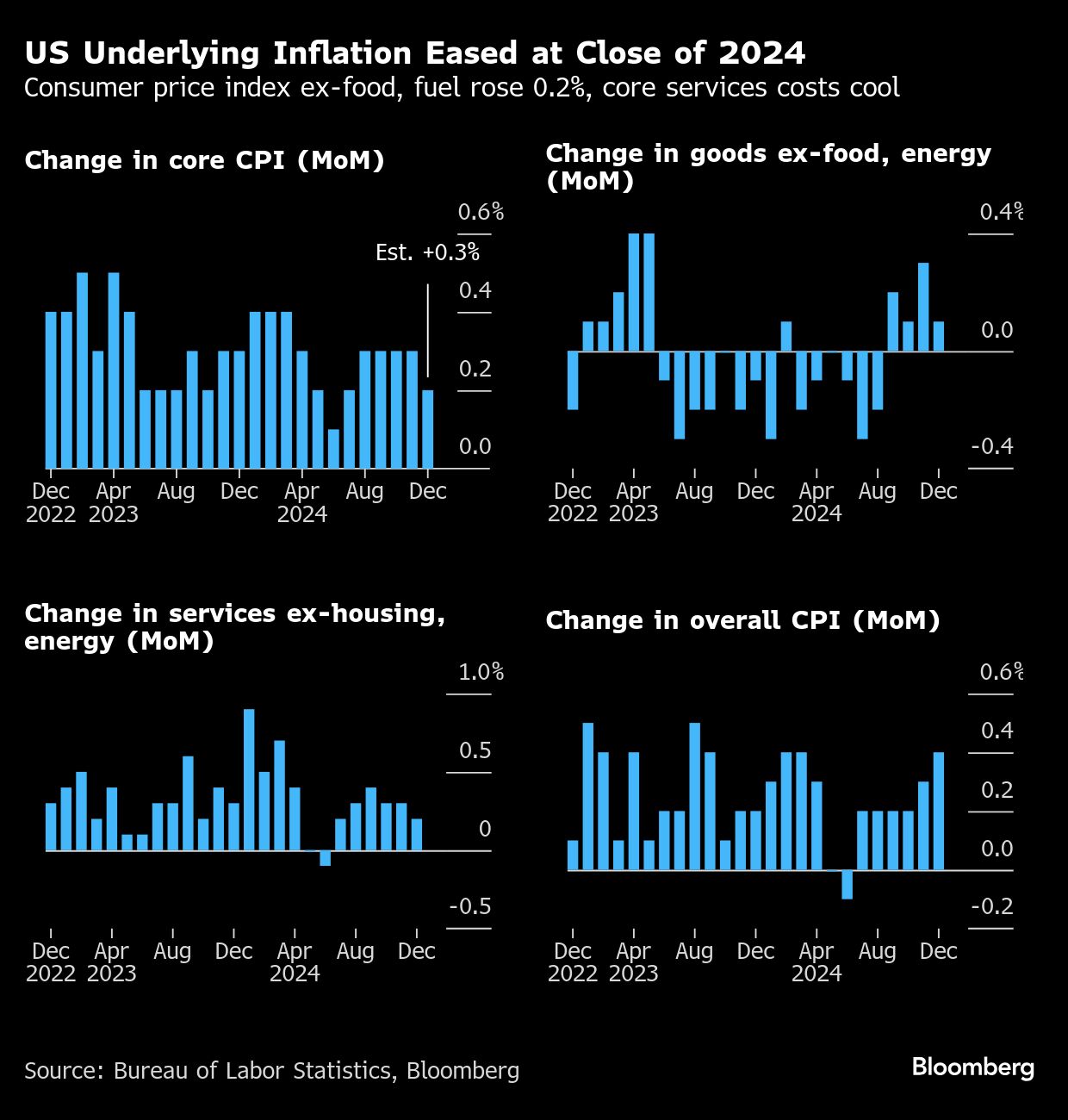
Consumer prices rose in December by less than forecast, a welcome stepdown that helped arrest a deep selloff in bond markets and reinvigorate bets that the Federal Reserve will cut interest rates sooner than previously thought.
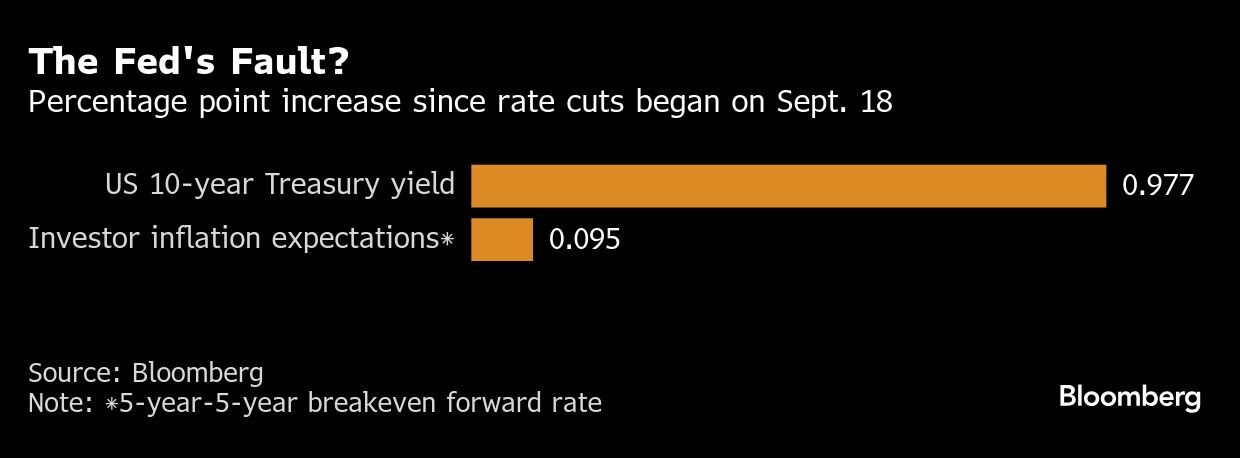
When Fed officials gather in two weeks they're likely to ponder a puzzling trend in markets: Since September, as they lowered short-term interest rates by a full percentage point, longer-term government bond yields moved by a roughly equal amount — but in the opposite direction. To some on Wall Street, the mismatch is evidence the US central bank misread the economy and went too far with rate cuts.
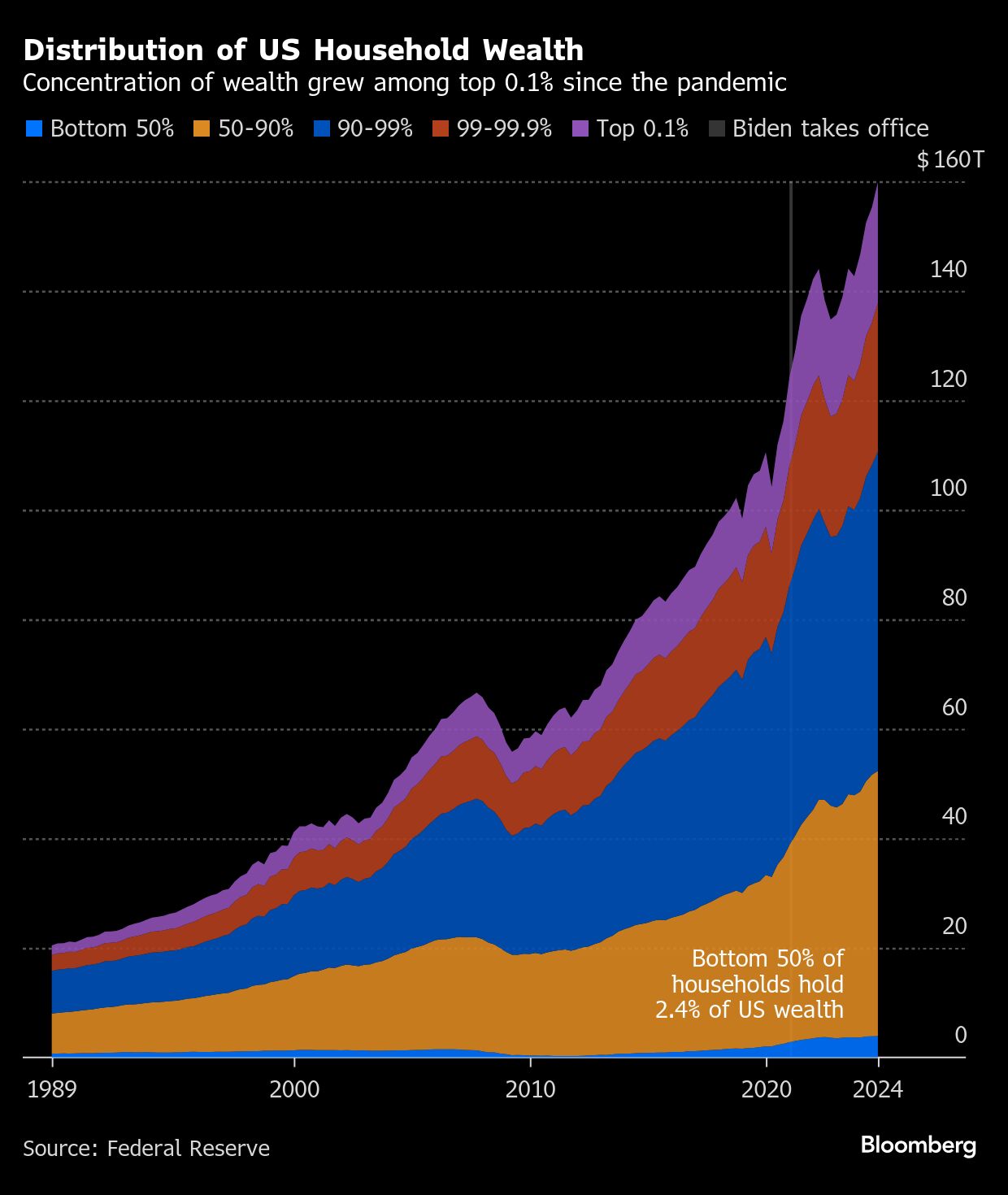
The very richest Americans are among the biggest winners from President Joe Biden's time in office, despite his farewell address warning of an “oligarchy” and a “tech industrial complex” that threaten US democracy.
Europe
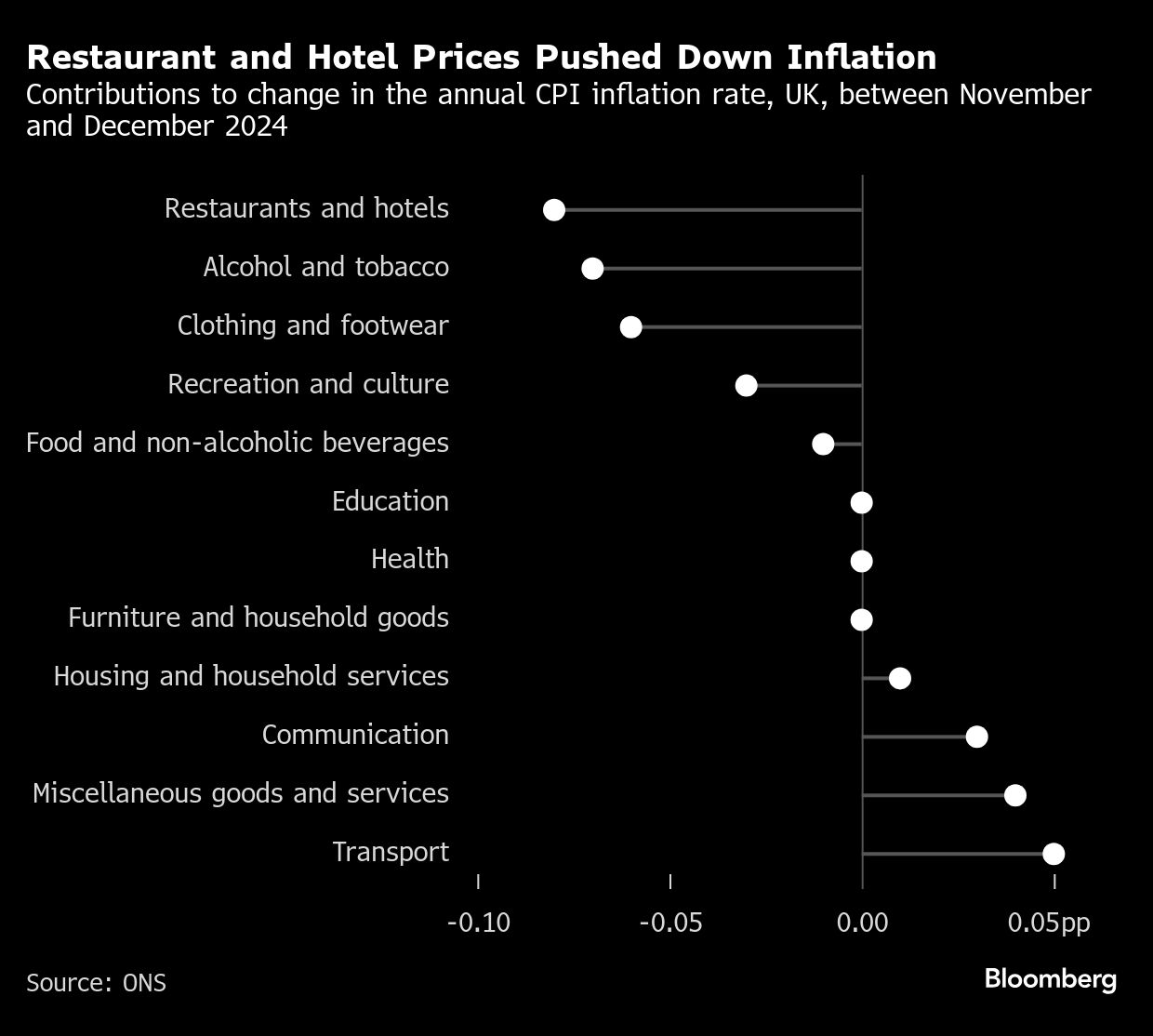
UK inflation unexpectedly cooled for the first time in three months in December, prompting traders to increase bets on Bank of England interest-rate cuts this year.
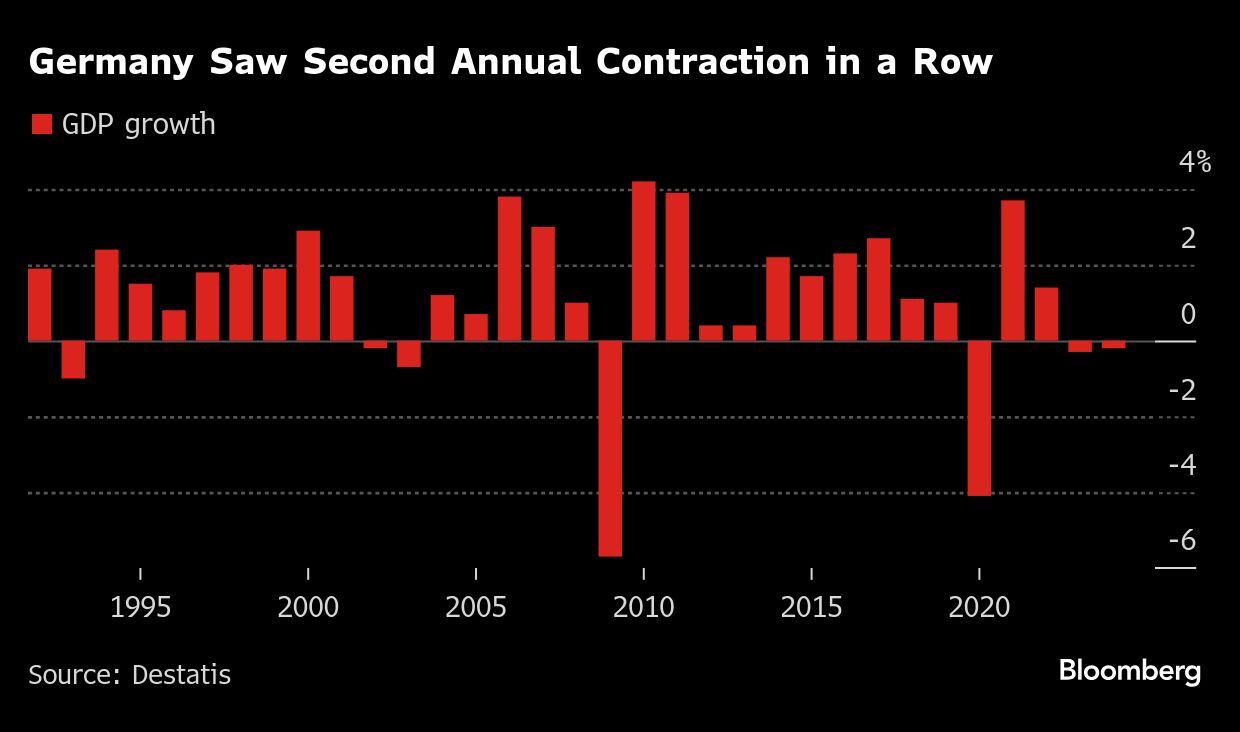
Germany's economy shrank for a second consecutive year in 2024 and is unlikely to grow much in 2025, laying bare the challenge for the country's new government once snap elections are held in February. Gross domestic product fell by 0.2% after dropping 0.3% in 2023.
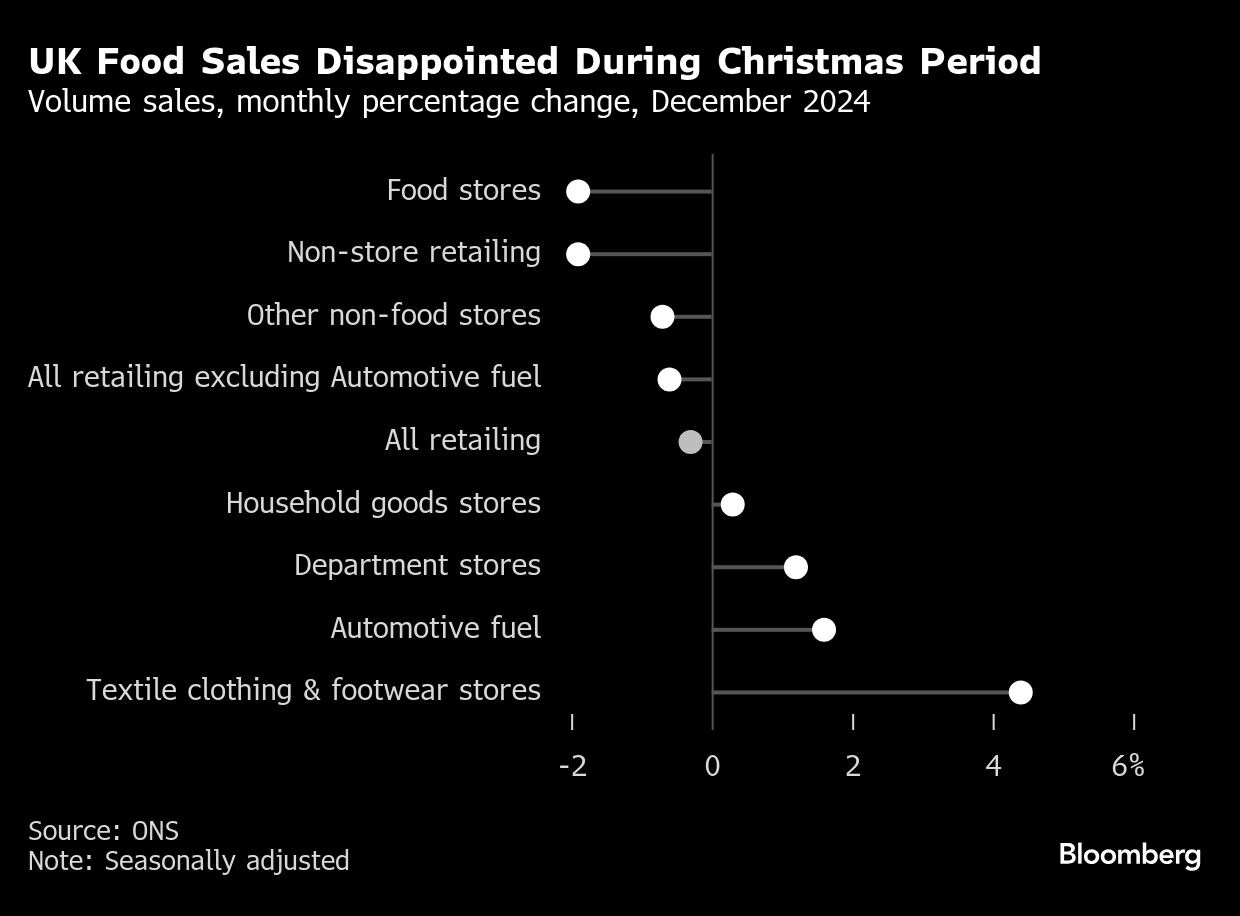
UK retail sales posted a surprise fall around last month's crucial Christmas period in a fresh setback for the Labour government's hopes of reviving economic growth. Despite growing real incomes, households are in cautious mood amid warnings of an inflation resurgence and expectations of slower declines in borrowing costs.
Asia
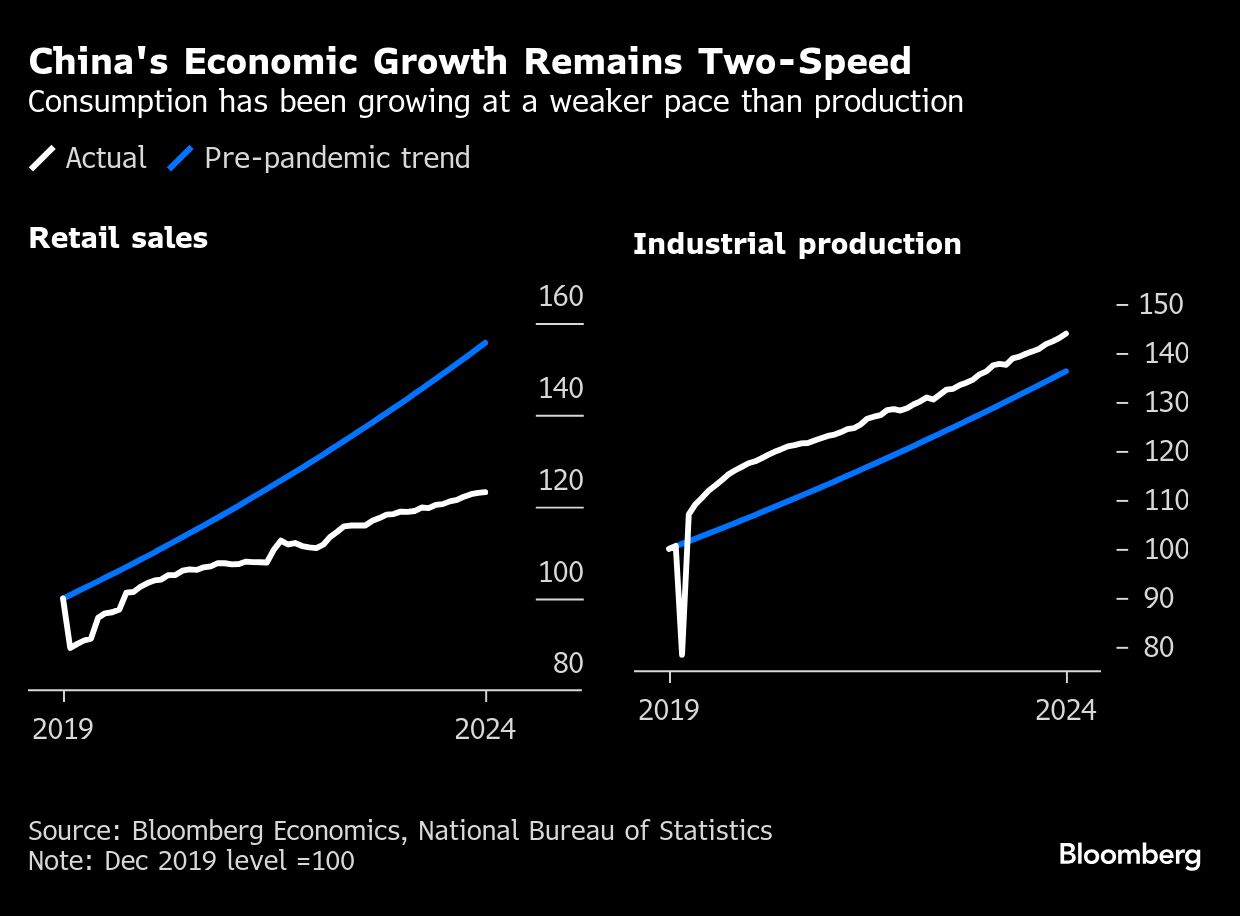
President Xi Jinping's government reached last year's 5% growth target, a well-telegraphed victory that came as little surprise. The snapshot from the National Bureau of Statistics showed China's two-track economy continued to be powered by trade while consumer spending remained muted. However, nominal GDP growth — unadjusted for price changes — slowed to 4.2% in 2024, the second-weakest pace since China began transitioning to a market economy in the late 1970s.
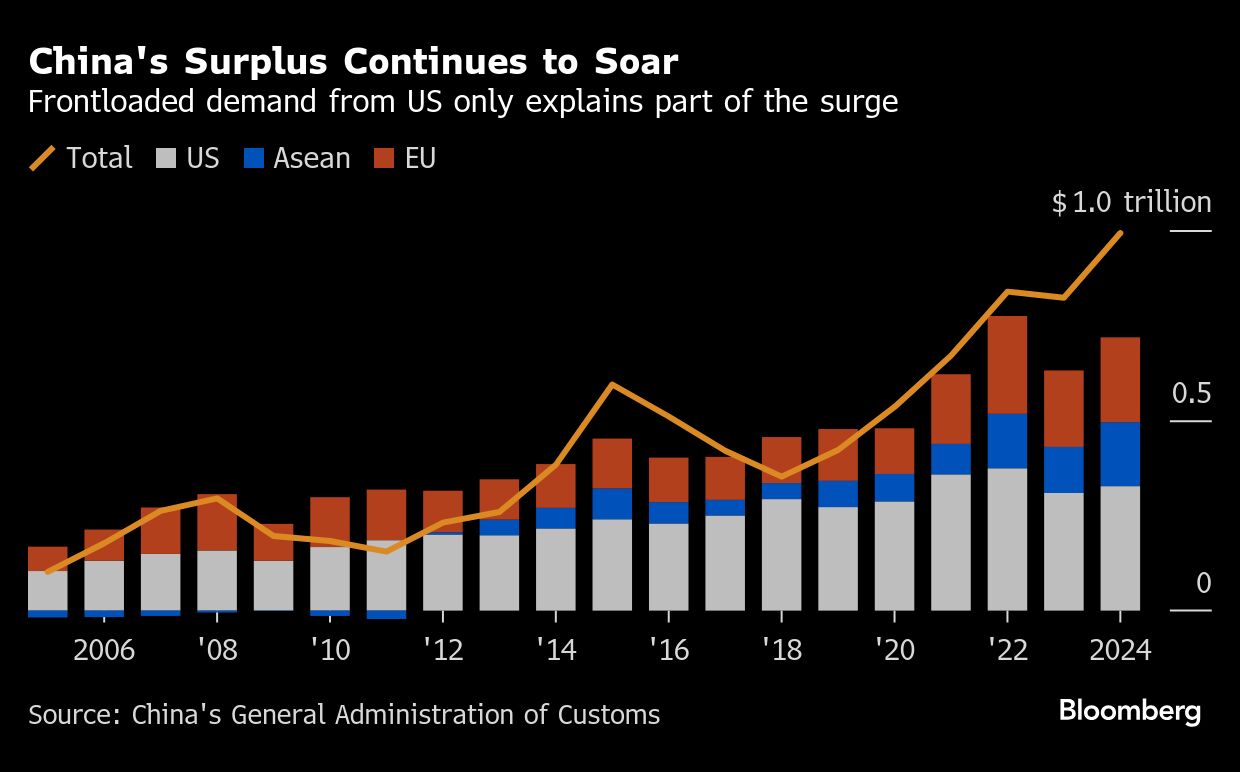
China's trade surplus soared to a record last year, driven by strong exports that boosted the economy but may soon be threatened by the incoming Trump administration. Strong demand from overseas has helped provide growth for a domestic economy weighed down by a yearslong housing crisis. Exports accounted for nearly a quarter of the economy's expansion in 2024.
Emerging Markets

Israel and Hamas agreed to free dozens of hostages and pause the war in Gaza that's killed tens of thousands of people in the last 15 months and caused turmoil across the Middle East. A ceasefire will start Sunday — a day before Donald Trump succeeds Joe Biden as US president — and last six weeks, Qatari and American officials, who mediated between the warring sides, said.
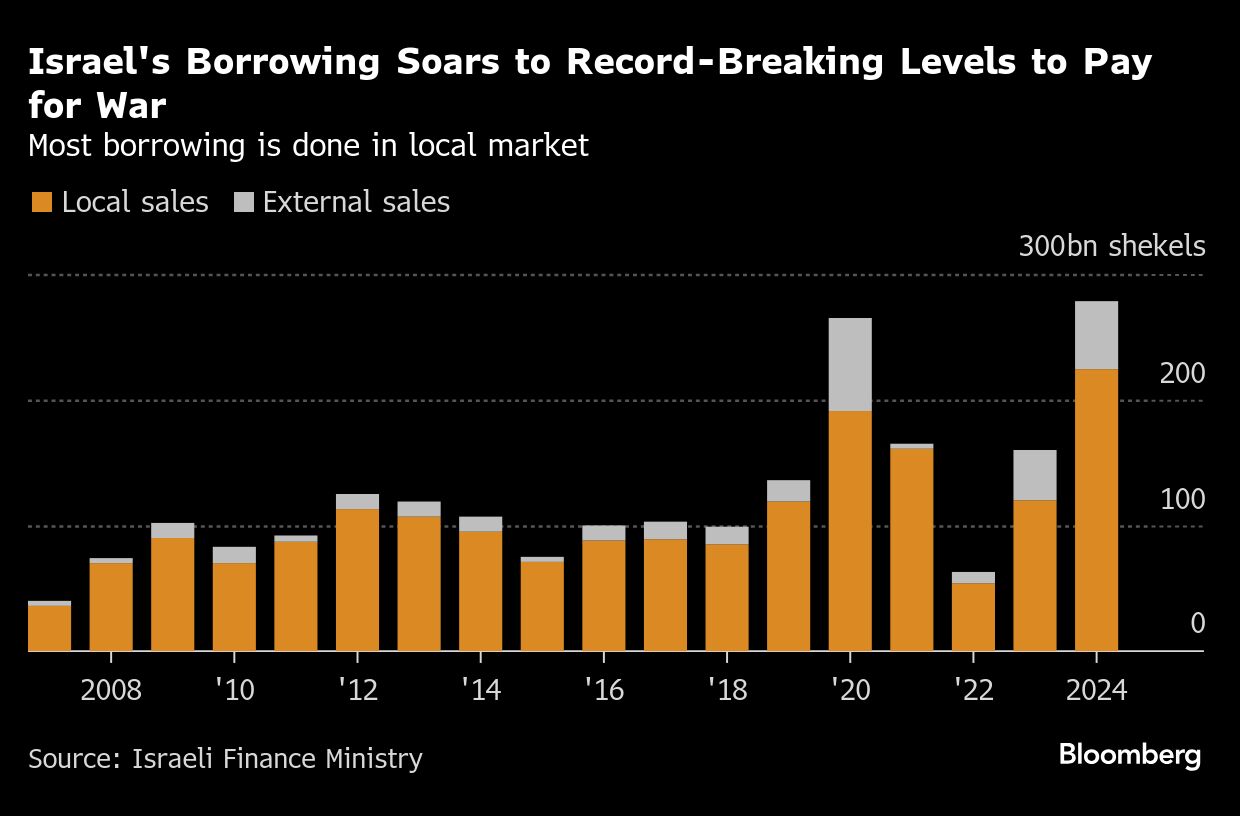
Israel raised a record amount of debt last year to fund its multi-front war against Hamas and other Iran-backed militias. The government borrowed 278.4 billion shekels ($75.9 billion), surpassing the country's previous record of 265 billion shekels in 2020 during the Covid pandemic. Most of the borrowing — about 81% — was done in Israel's local bond market.
World
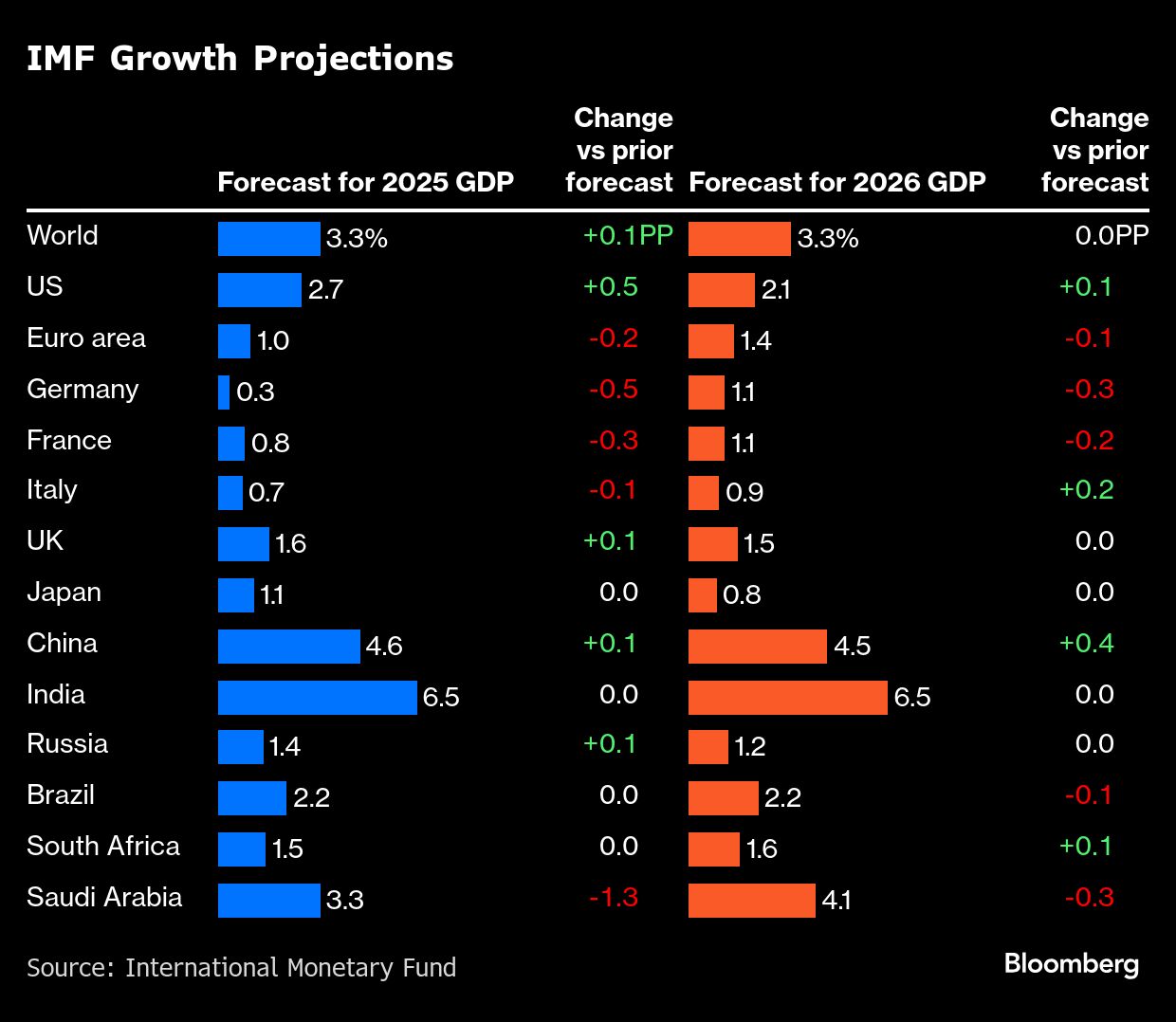
The International Monetary Fund upgraded its global growth forecast for this year, spurred by stronger-than-expected US demand and slowing inflation worldwide that will let central banks continue to cut interest rates.
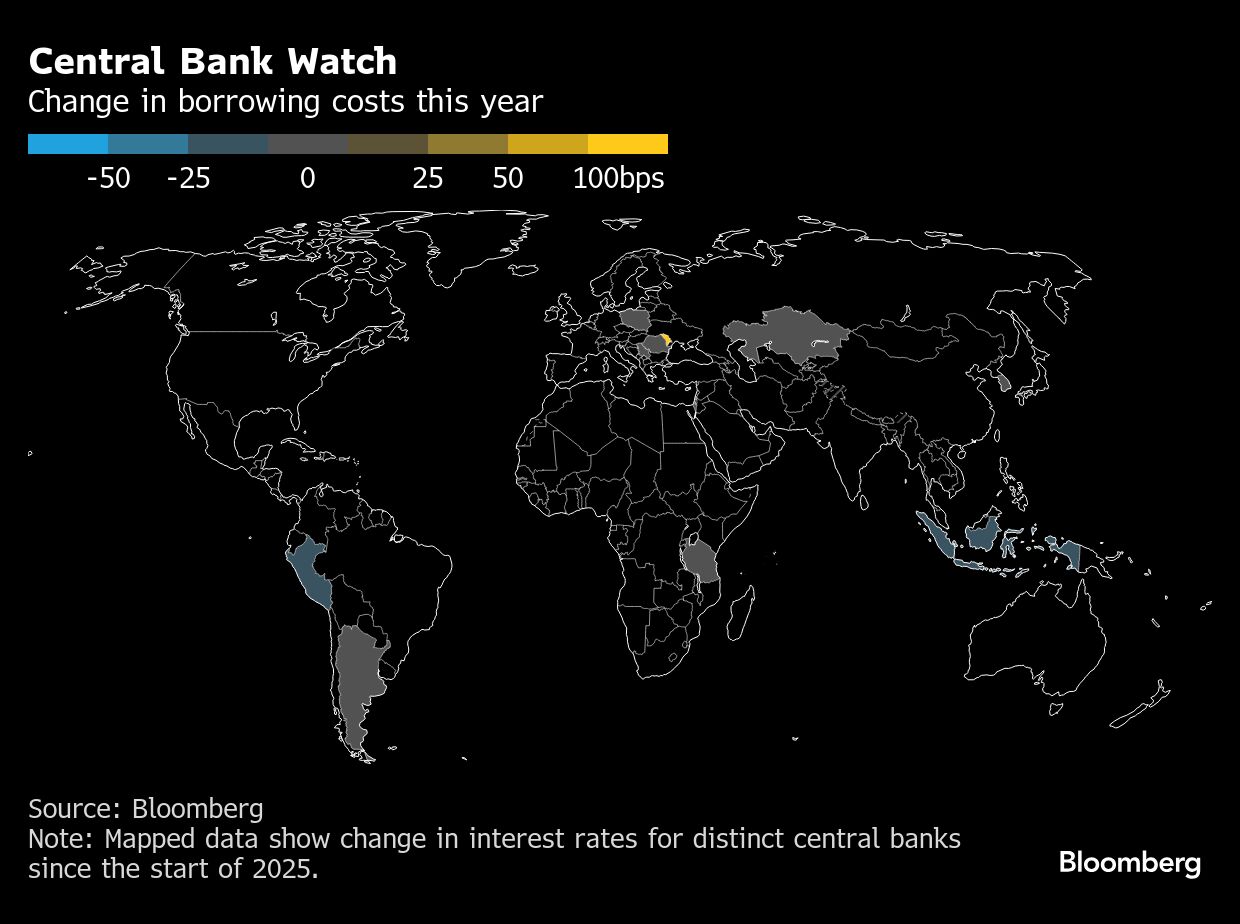
Indonesia unexpectedly lowered interest rates, while Romania kept borrowing costs unchanged. The Bank of Korea held rates steady as it monitors the currency and political turmoil, while Poland and Kazakhstan stood pat.
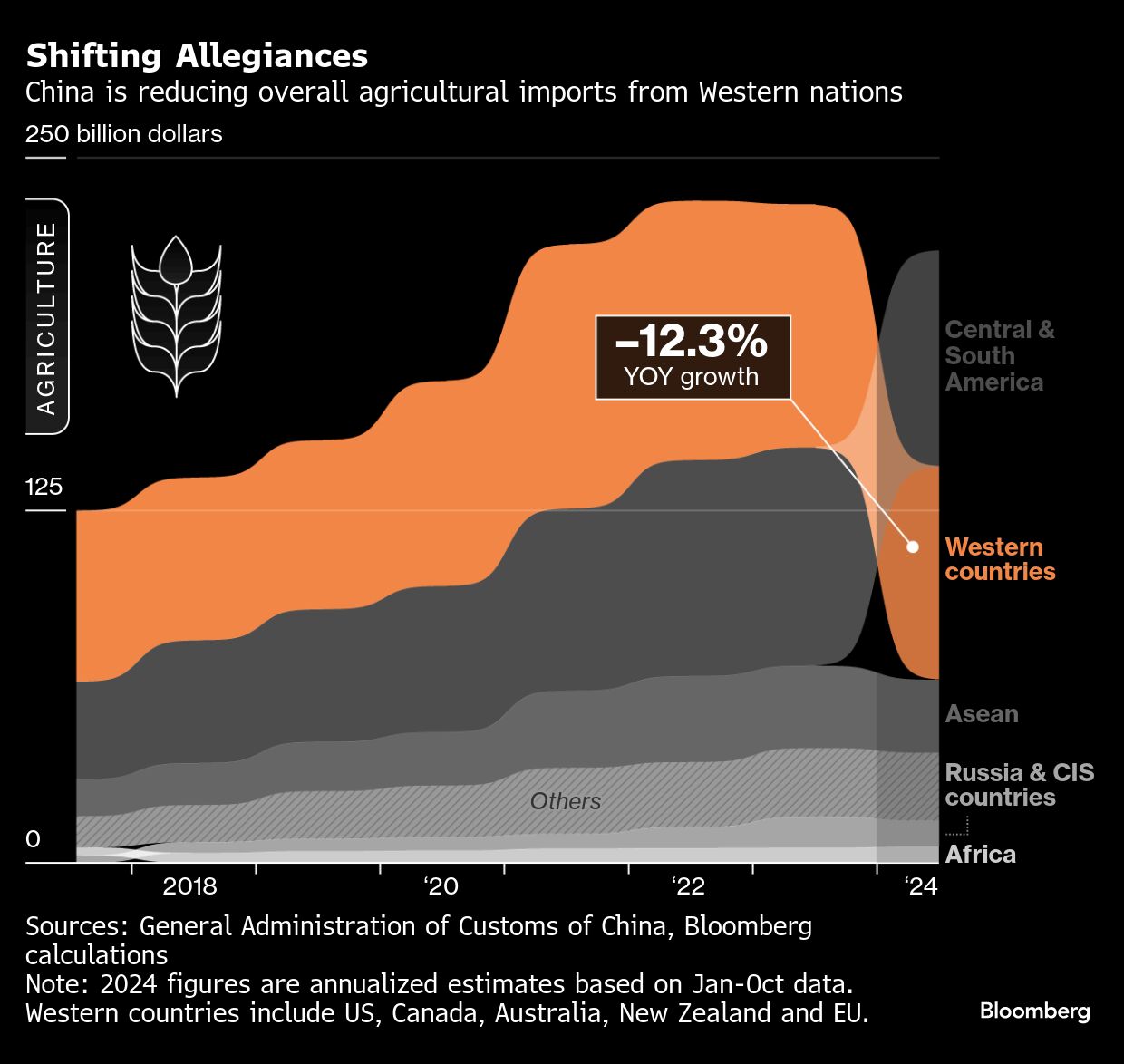
China's quest to feed itself has taken it as far as Kenya's macadamia nut groves and Bolivia's cattle ranches, as part of a push in recent years to diversify food sources away from traditional Western suppliers. The market-share loss for US-allied nations is a win for countries from the Global South, which Beijing has sought to court as geopolitics increasingly cleaves the world into distinct blocs.

-
A New Samvat Wishlist: Inclusive Prosperity And Human Development

India has strengthened its economic foundations through infrastructure, digital access and enterprise. Its next growth chapter must deepen productivity, create better livelihoods and widen participation in prosperity.
-
Love, Sex Aur Dhokha: The Audacious Plot To Spy On Jensen Huang
A Taipei dinner, a Singapore chip buyer and a suspected Chinese asset: inside the alleged spy operation that got close to NVIDIA's Jensen Huang.
-
Ten Things I Learnt This Samvat
Patience can be a trap. Cheap stocks can stay cheap. Leverage can wipe you out. What did Samvat 2082 teach us? Niraj Shah writes on 10 lessons from the year gone by.
-
Talking Points This Week: Tech Nerves, FII Buying, And A Faraway Banking Shock
The global markets are not shining this Diwali. The exception in the large markets is, India.
-
Midterm Rally Lasted A Day. The Hard Reality Of A Divided US May Last Two Years | Opinion
Between a contested AI boom, a debt ceiling that arrives in 2027 and a president with every incentive to act alone, the next two years may prove more volatile than the first day's rally suggests.
-
Blue Wave Will Derail the AI Trade but Won't Dismantle the AI Era | Unhedged Position
The Democrats' sweep of the US Congress will see politics collide with economic forces both over the long and short term.
-
It's Time To Take The GST Council's Bet On Trust Global
Payment records can prove India's services exports, and clear, proportionate rules can bring foreign digital sellers into the tax net.
-
Opinion | India at 38: From Innovation Overperformer to Innovation Powerhouse
India now has 453 VC-backed deep science startups, 18 of them late-stage, after 117 percent growth since 2020. Laurus Labs, at USD 9.3 billion, is the most valuable deep science company in any middle-income economy outside China.
-
Navigating Energy Crossroads: S Jaishankar's Call For Diversified Supply Chains At G20 Ministerial Meeting
As geopolitical fault lines continue to test maritime trade routes and commodity flows, Jaishankar's message remains pertinent: true economic resilience requires open markets, protected transit lines, and a genuine commitment to multilateral cooperation rather than coercion.









