Biden Expected To Have Call With China’s Xi Jinping But No Date Set
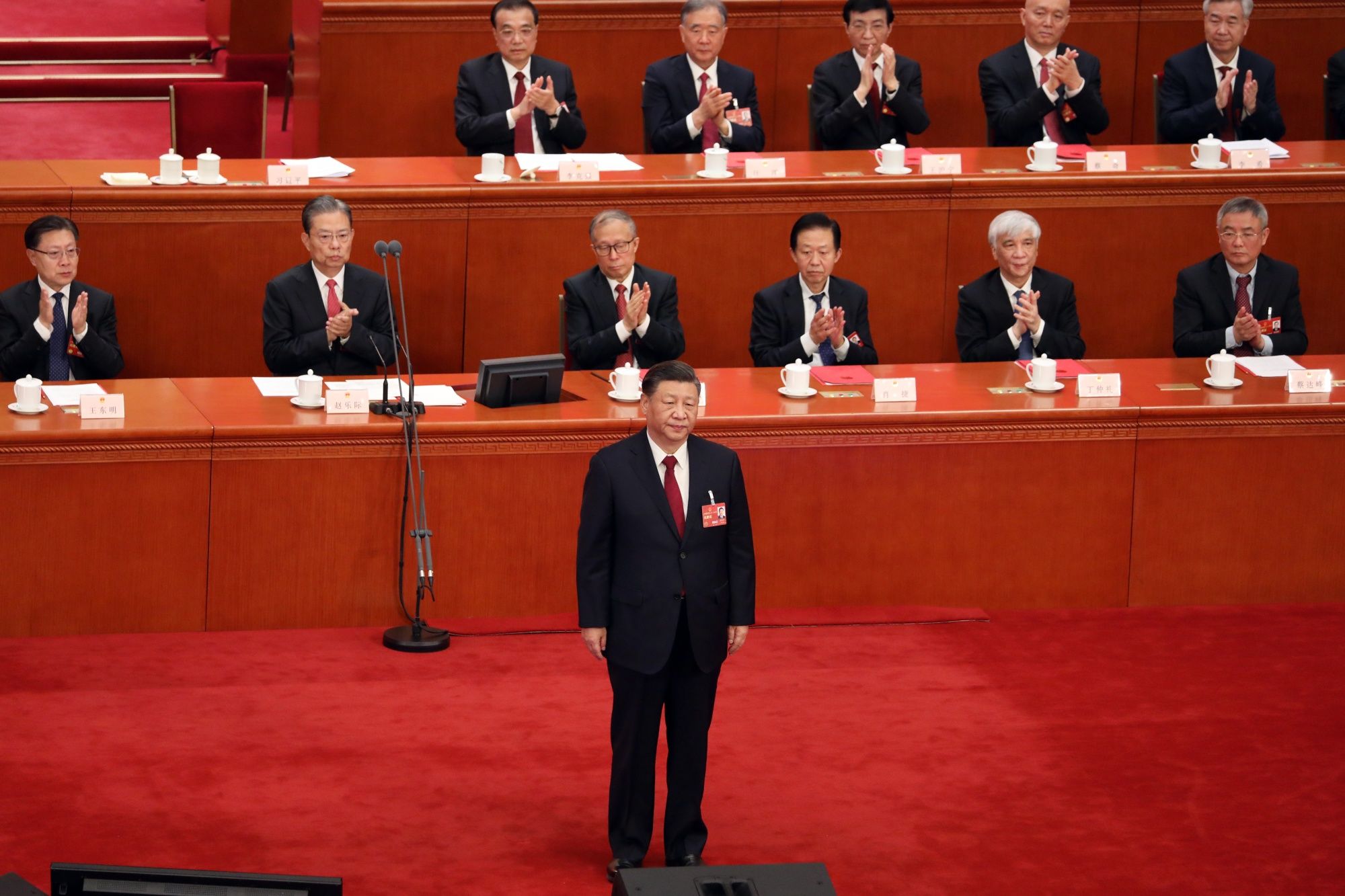
(Bloomberg) -- President Joe Biden plans to hold a phone call with his Chinese counterpart, Xi Jinping, once the legislature concludes its annual gathering and the government in Beijing returns to work, National Security Adviser Jake Sullivan said.
“We have said that when the National People's Congress comes to a close, as it now has, Chinese leadership returns to Beijing, and then all of these new officials take their new seats, because of course you now have a new set of figures in substantial leadership positions, we would expect President Biden and President Xi to have a conversation,” Sullivan told reporters Monday on Air Force One en route to San Diego.
Biden answered “yes” to a shouted question from a reporter Monday about whether he would speak with Xi soon.
Sullivan wouldn't say whether the Chinese have agreed to hold a call on that timeline.
“I can't put a date or time on it but in the period that follows the People's Congress, a Biden-Xi telephone communication — we think there's merit in seeing that happen,” Sullivan said last week.
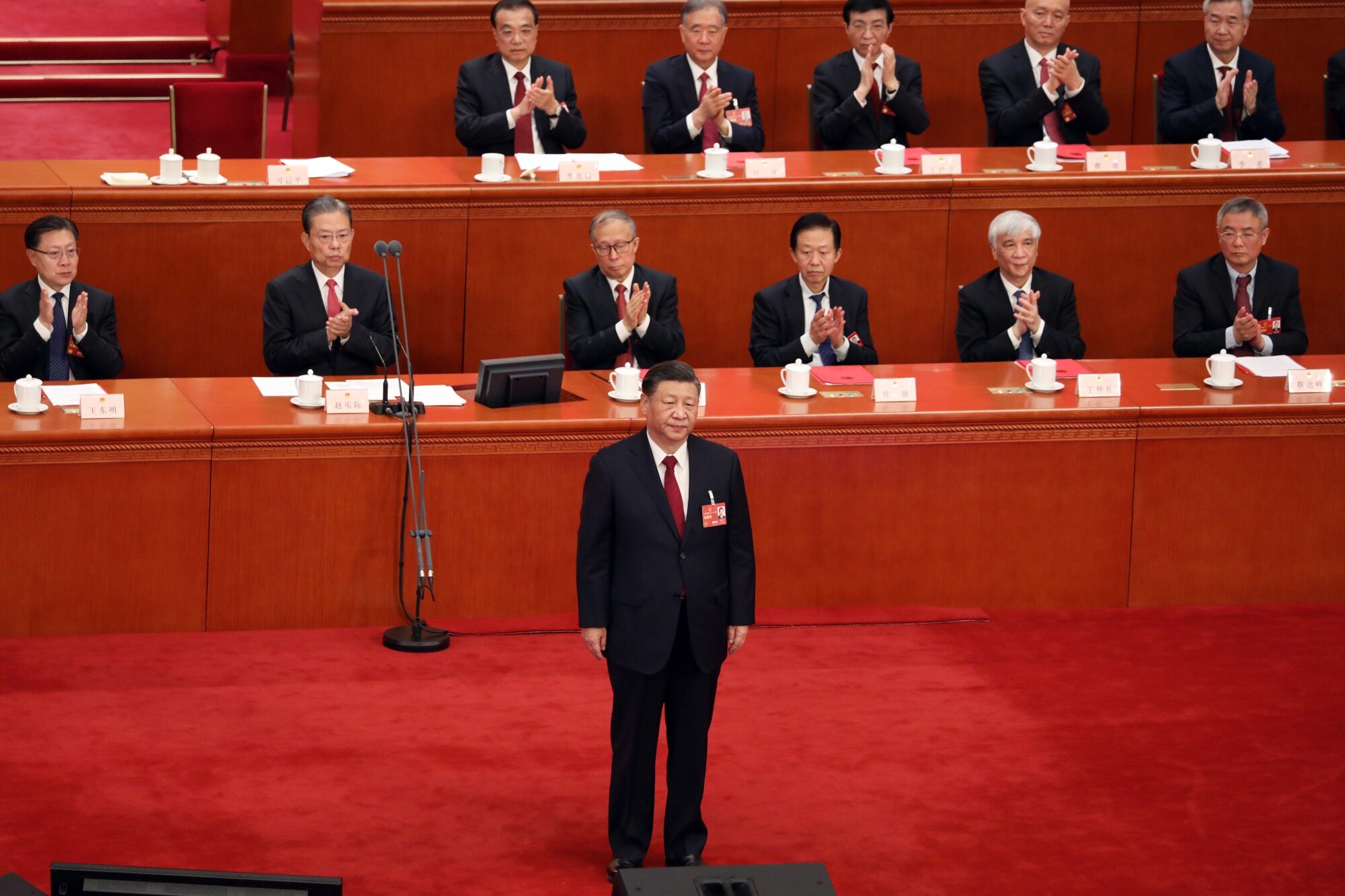
The National People's Congress, the annual parliamentary gathering, ended on Monday. New Premier Li Qiang struck a conciliatory tone on ties with the US, suggesting a fresh openness by Beijing to resume talks.
“I want to stress that it is important for us to translate the important consensus reached between President Xi Jinping and President Biden during the meeting last November into actual policies and concrete actions,” Li said Monday.
Read more: Premier Li Urges US-China Cooperation, Seeks ‘Concrete Actions'
The US-China relationship hit another low point this year after the Biden administration shot down an alleged Chinese spy balloon that traversed the US and after US officials said Beijing was considering providing lethal aid to Moscow for its war in Ukraine.
Biden and Xi last spoke in November at the Group of 20 leaders meeting in Bali, Indonesia. Both men signaled a thawing of relations following that meeting.
Sullivan told reporters in a briefing last week that the goal is to ensure “there are as many formats as possible” on all levels for the two countries to communicate regularly.
“We would encourage the PRC to be open to ensuring that we have regularized, organized patterns of communication, consultations for us to be able to talk in strategic terms about these matters,” he said in the briefing.
China broke off military-to-military communication after then-House Speaker Nancy Pelosi visited Taiwan last August.
“We have been seeking to establish regular, non interruptible mil-mil channels, which we think are essential to peace and stability in the Indo-Pacific. And China has been at points, including at this point, unreceptive to that. I think that is not a wise posture,” Sullivan said last week.
Biden, Australian Prime Minister Anthony Albanese and UK Prime Minister Rishi Sunak unveiled a submarine deal Monday, part of an effort to counter China in the Indo-Pacific.
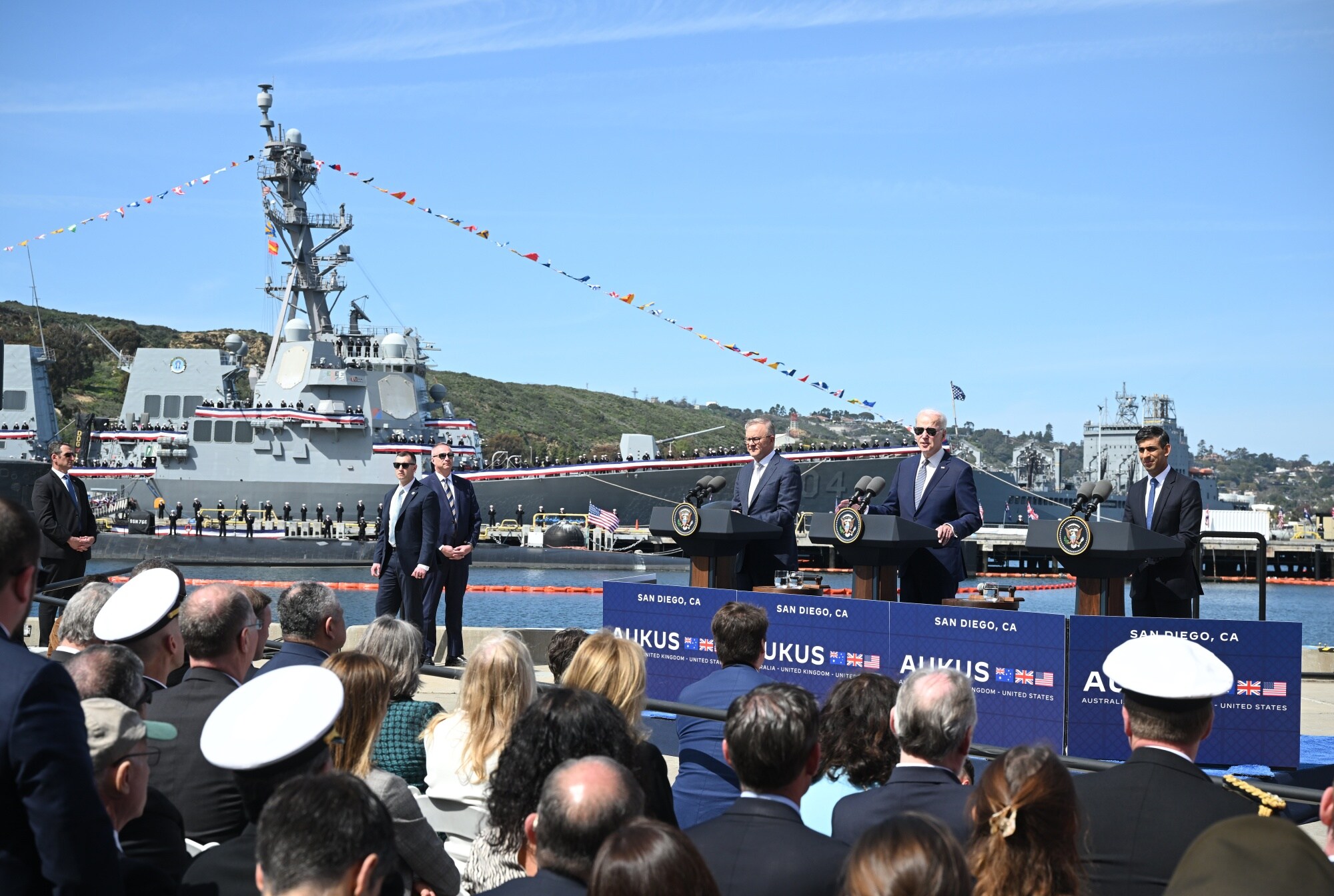
Sullivan said the Biden administration had briefed Beijing on its Aukus partnership and has also sought information and clarity on Beijing's intentions and capabilities with respect to its “considerable military buildup.”
Read more: US, Allies Prepare Mega Submarine Deal Under Aukus Agreement
The spy balloon episode led Secretary of State Antony Blinken to cancel a planned trip to China in February. Sullivan said last week that Blinken is prepared to go when he can have a productive trip but that it “depends on Beijing and their attitude.”
“From a US perspective, we are not trying to withhold senior level communication. Quite the contrary,” he said when asked if progress was being made for a future Blinken trip.
(Adds Biden comment in third paragraph)
More stories like this are available on bloomberg.com
©2023 Bloomberg L.P.

-
High US Salaries, No Green Card Certainty: The Financial Calculation Facing Indian H-1B Families

The suspension of PERM processing at eight technology employers does not cancel existing H-1B visas. What it does is force a question many Indian families have been avoiding: is the US salary worth tying your career and family plans to one employer?
-
Swiggy vs Eternal: Food Delivery's Two Rivals Are No Longer In The Same Race
Eternal is building a private AI assistant, dark.ai. Swiggy is still working out how to make Instamart pay, with an operating loss of Rs 895 crore in the July-September quarter while Blinkit stayed profitable.
-
Where You Live Shapes How You Get To Work | The Reason Why
Two-wheelers are the most popular way to get to work in India, accounting for nearly 43% of workplace commutes.
-
Unhedged Position: Can India See An Indonesia-Style Time Correction?
The Nifty is trading below levels it first clocked in 2024. Is there, then, as I have suggested in the headline, potential that the current time correction drags on painfully for the next three-five, even ten years?
-
Navigating Friction And Energy Realities: An Analysis Of Marco Rubio's October Visit To India
Occurring at a critical juncture marked by stalled trade negotiations and escalating geopolitical pressures over global energy supplies, the visit offers a profound window into modern US-India relations.
-
India Exports Capital. Why Not Export Trusteeship?
The big question, then, is whether India can build an institution that global borrowers, investors, banks, and lawyers can trust, even without an Indian connection.
-
France's Economy & Politics Are In Crisis | The Reason Why
Let's look at how the French economy and politics evolved under Nicolas Sarkozy, Franois Hollande and Emmanuel Macron.
-
You May Inherit The Business. You Must Earn Its Credibility.
Succession tests the founder's ability to share authority as much as it tests the next generation's readiness to assume it.
-
Signing Deals Is One Thing; Making Them Work Is Another | The Week In Whys
Sometimes, things don't turn out as planned. Indian companies have lost some bids to rivals, some projects won't produce until 2030.
-
FOMC Wall, PERM Suspension, Hospital Stocks | Talking Points This Week
A PERM suspension would directly affect green-card sponsorship rather than H-1B visas, so the near-term earnings impact could remain relatively limited. The key question is whether this marks a new phase in US scrutiny of Indian IT.









