Biden Sets High-Stakes Debt-Limit Meeting as Deal Deadline Nears
(Bloomberg) -- President Joe Biden invited top congressional leaders for a May 9 meeting on the debt limit as the US barrels closer to a potential default that the Treasury Department warned Monday could come sooner than anticipated.
The proposed meeting is the first sign of progress in what has become a high-stakes game of chicken in Washington, with nothing short of the full faith and credit of the US hanging in the balance. The White House has said it would not negotiate with Republicans over extending the debt ceiling, while House Speaker Kevin McCarthy has vowed not to extend the limit without corresponding cuts to the federal budget.

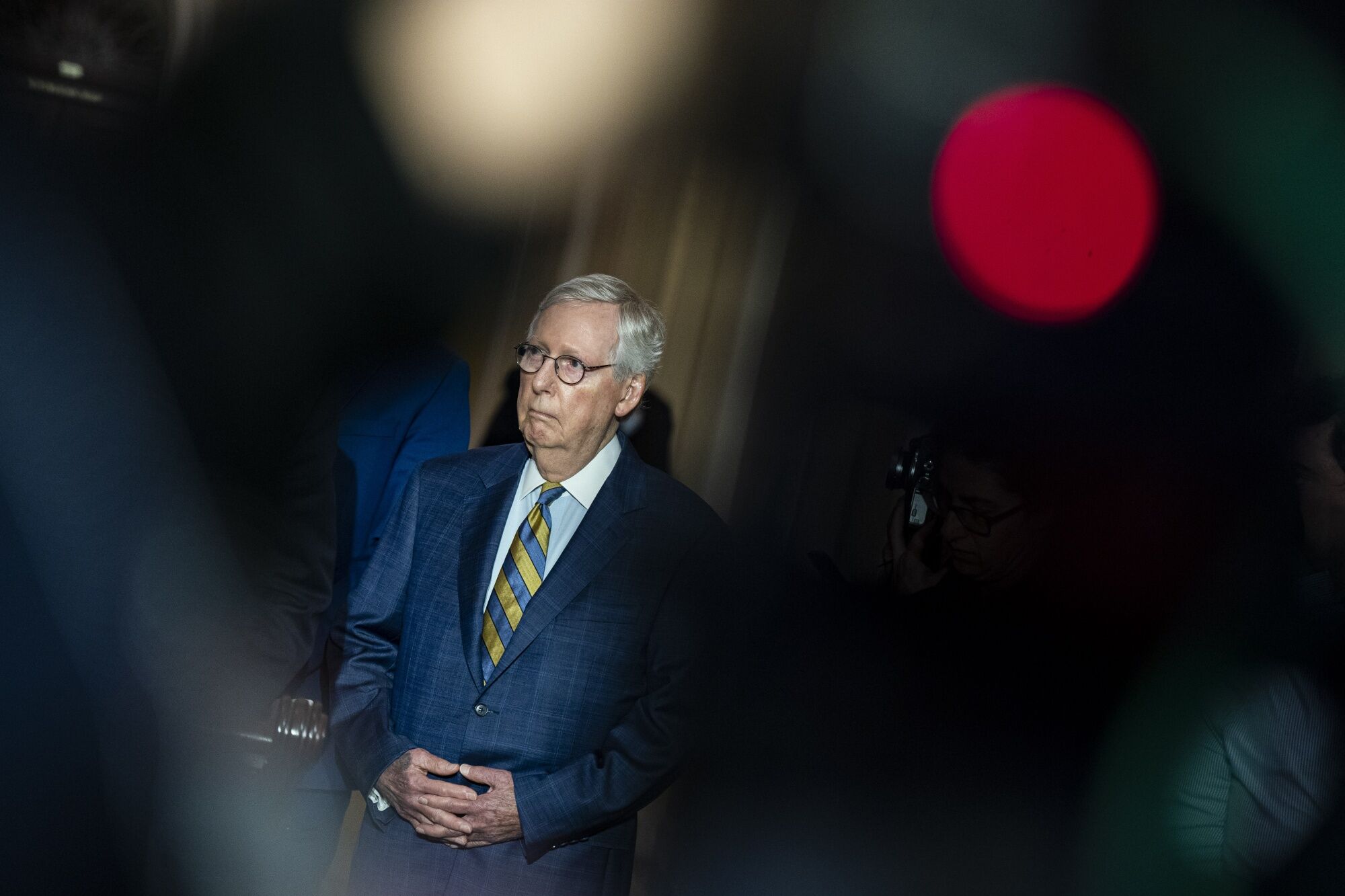
Neither side appeared ready to budge ahead of the possible summit, with McCarthy and Senate Minority Leader Mitch McConnell not even confirming their plans to attend. A White House official emphasized that the invitation shouldn't be interpreted as Biden relenting from his refusal to negotiate over the debt ceiling.
The drama played out against a dire warning from Treasury Secretary Janet Yellen, who told told lawmakers earlier Monday that the nation risked default as soon as June 1.
So far, investors are still signaling their confidence that policy makers in Washington can reach a deal in time to avert a historic default. But top officials from the Federal Reserve and Treasury have said a default could prove catastrophic to the US economy, pushing up borrowing costs on credit cards, mortgages, and auto loans while battering markets.
A look at Treasury bill pricing through the US summer shows a notable dislocation in June, indicating traders are concerned about the timeframe the secretary flagged. But the highest yields are in the vicinity of late July and August, with rates there now clearly above 5%.
Biden plans to use the high-profile White House meeting to press Republicans to raise the debt limit without conditions and express willingness to discuss spending cuts separately in negotiations on the federal budget, the White House official said.
McCarthy, whose calls for a meeting with Biden escalated after House Republicans passed their debt plan last week, has said his party would not increase the spending limit without cuts to the federal budget.
“President Biden has refused to do his job — threatening to bumble our nation into its first ever default — and the clock is ticking,” he said in a statement on Monday evening.
Senate Majority Leader Chuck Schumer and Hakeem Jeffries, the top Democrat in the House, released a statement reiterating that Democrats would seek a clean increase.
“For generations, Congress has made spending and revenue decisions as part of the annual budget process, which is currently underway,” the two Democrats said, referring to Donald Trump's Make America Great Again slogan. “That is the appropriate place to debate and discuss our nation's fiscal picture – not in a hostage-situation in which extreme MAGA Republicans try to impose their radical agenda on America.”
Biden also spoke to McConnell, the White House said.

The US hit its current statutory limit of $31.4 trillion in debt in January, and the Treasury Department has been staving off a possible default on federal obligations by using special accounting maneuvers since then.
The House is on break until next week and both chambers are scheduled to take a different week-long recess later this month. Biden is scheduled to travel to Japan and Australia later this month.
That leaves very few days when all parties are scheduled to be in Washington before June 1, adding to the urgency of next week's meeting.
The House could push a deal through relatively quickly, if lawmakers had the political will and the votes to do so. Yet the Senate still must overcome filibuster threats and it can take several days to pass any legislation.
The tight deadline increases the chances that Congress passes a short-term increase to buy time while budget talks continue, although several Republicans scoffed at the idea on Monday.
“Why are we talking about short term anything? Just get moving. It's just the first of May,” said Senator Lisa Murkowski of Alaska.
Schumer started the process on Monday for the Senate to consider a two-year debt limit suspension as well as the House-passed Republican debt bill. The House bill, which Democrats oppose, would be available to be amended with a future bipartisan deal on the budget after a clean debt limit passes, a Schumer spokesman said.
--With assistance from Zach C. Cohen, Laura Litvan, Justin Sink and Alexandra Harris.
More stories like this are available on bloomberg.com
©2023 Bloomberg L.P.

-
Ten Things I Learnt This Samvat

Patience can be a trap. Cheap stocks can stay cheap. Leverage can wipe you out. What did Samvat 2082 teach us? Niraj Shah writes on 10 lessons from the year gone by.
-
Talking Points This Week: Tech Nerves, FII Buying, And A Faraway Banking Shock
The global markets are not shining this Diwali. The exception in the large markets is, India.
-
Midterm Rally Lasted A Day. The Hard Reality Of A Divided US May Last Two Years | Opinion
Between a contested AI boom, a debt ceiling that arrives in 2027 and a president with every incentive to act alone, the next two years may prove more volatile than the first day's rally suggests.
-
Blue Wave Will Derail the AI Trade but Won't Dismantle the AI Era | Unhedged Position
The Democrats' sweep of the US Congress will see politics collide with economic forces both over the long and short term.
-
It's Time To Take The GST Council's Bet On Trust Global
Payment records can prove India's services exports, and clear, proportionate rules can bring foreign digital sellers into the tax net.
-
Opinion | India at 38: From Innovation Overperformer to Innovation Powerhouse
India now has 453 VC-backed deep science startups, 18 of them late-stage, after 117 percent growth since 2020. Laurus Labs, at USD 9.3 billion, is the most valuable deep science company in any middle-income economy outside China.
-
Navigating Energy Crossroads: S Jaishankar's Call For Diversified Supply Chains At G20 Ministerial Meeting
As geopolitical fault lines continue to test maritime trade routes and commodity flows, Jaishankar's message remains pertinent: true economic resilience requires open markets, protected transit lines, and a genuine commitment to multilateral cooperation rather than coercion.
-
Indians Are Travelling, But Not Every Journey Is A Holiday | The Week In Whys
Pilgrims, patients and working women are the real travellers, and the system hasn't quite caught up with them.
-
Getting To Work Costs Women More | The Reason Why
It is not just about women paying more than men. It is about women paying much more in cities than in villages.









