Australia’s Social Media Ban For Under-16s: How Does It Work?
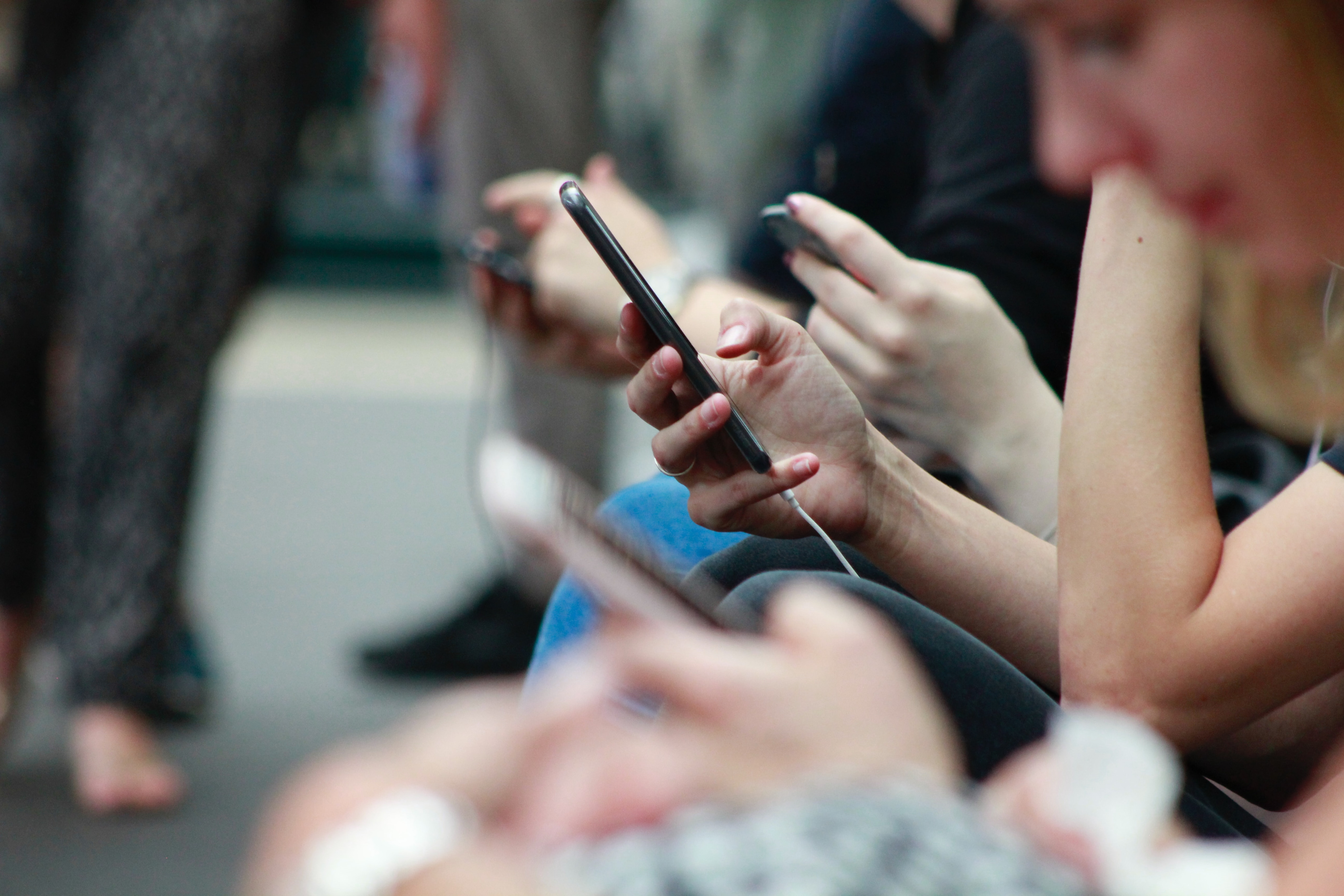
Australia has become the first country in the world to enact a law that prevents minors under 16 years from using mainstream social media platforms. The law, which comes into effect from today, Dec. 10, mandates the biggest technology companies to identify and remove under-age users, or face penalties that can reach up to A$49.5 million.
Which Platforms Are Covered?
Ten of the world's most widely used platforms have been ordered to enforce strict age checks. The social media platforms include Facebook, Instagram, Kick, Reddit, Snapchat, Threads, TikTok, Twitch, X and YouTube. Each platform must disable accounts belonging to Australian users under 16 years and prevent new registrations from that age group.
Elon Musk's X was the final platform to formally commit to the requirements. A statement published on its website said, “It's not our choice, it's what the Australian law requires.”
How The Ban Works
Under the new law, platforms must detect users under 16, close their accounts and ensure they cannot return by opening fresh profiles. Officials say the restrictions will shield children from harmful content, predatory behaviour and addictive design features.
Many countries, including Denmark, New Zealand and Malaysia, are watching the Australian rollout closely as they consider similar measures.
Australian Government's Rationale
Prime Minister Anthony Albanese described the policy as a milestone moment. “This is a day in which my pride in being Prime Minister of Australia has never been greater,” he said, calling the move “world-leading,” reported BBC.
Albanese urged young people to look offline for entertainment. According to Reuters, he encouraged children to “start a new sport, new instrument or read that book that has been sitting there for some time on your shelf.”
According to the New York Times, Australia's online regulator found that 95% of teenagers aged 13 to 15 years used social media in 2024, with YouTube, TikTok, Snapchat and Instagram topping the list.
How Young Users Are Reacting
In the hours before the ban kicked in, many teens used their remaining access to say goodbye to their followers. According to Reuters, teenagers shared posts saying, “No more social media, no more contact with the rest of the world,” and “#seeyouwhenim16.”
Some young Australians have welcomed the change. “We deserve the chance to figure out who we are without algorithms telling us what to like, what to think, and how to feel,” BBC quoted 12-year-old Florence Brodribb from Tasmania as saying,
But there were some who warned of negative consequences. Fourteen-year-old Annie Wang told Reuters the restrictions could isolate marginalised teens. “It's going to be worse for queer people and people with niche interests, I guess, because that's the only way they can find their community.”
Concerns From Rights Groups
Rights organisations and child-safety advocates remain divided. The New York Times reported that some major human rights bodies believe a universal ban may not achieve its aims.
Amnesty International cautioned that the ban could backfire, saying, “Many young people will no doubt find ways to avoid the restrictions. A ban simply means they will continue to be exposed to the same harms but in secret, leaving them at even greater risk.”
Critics also warn the law might disproportionately affect young people in remote areas or those who rely on online spaces for information, connection or support.

-
Opinion | India at 38: From Innovation Overperformer to Innovation Powerhouse

India now has 453 VC-backed deep science startups, 18 of them late-stage, after 117 percent growth since 2020. Laurus Labs, at USD 9.3 billion, is the most valuable deep science company in any middle-income economy outside China.
-
Navigating Energy Crossroads: S Jaishankar's Call For Diversified Supply Chains At G20 Ministerial Meeting
As geopolitical fault lines continue to test maritime trade routes and commodity flows, Jaishankar's message remains pertinent: true economic resilience requires open markets, protected transit lines, and a genuine commitment to multilateral cooperation rather than coercion.
-
Indians Are Travelling, But Not Every Journey Is A Holiday | The Week In Whys
Pilgrims, patients and working women are the real travellers, and the system hasn't quite caught up with them.
-
Getting To Work Costs Women More | The Reason Why
It is not just about women paying more than men. It is about women paying much more in cities than in villages.
-
AI Bias In Investing Cannot Be Eliminated, But It Can Be Governed
Framing is a particularly important example as identical financial information presented in terms of gains rather than losses can lead an LLM to reach a different assessment.
-
Joining The Dots | Dark Skies, Steady Diya: Why Hope Holds This Diwali
With war, a weak rupee and foreign outflows weighing on sentiment, policymakers at the NDTV World Summit and market veterans at NDTV Profit Ignite: Diwali Edition offered the same advice: stay invested and filter out the noise.
-
The Curious Case of Equitas Small Finance Bank And A CEO Who Quit For Stock
PN Vasudevan believes persistent investor concerns over a perceived conflict of interest had become a governance overhang on Equitas Small Finance Bank's stock, even as the lender improved profitability and asset quality.
-
Talking Points This Week: AI Cash Burn, A Tiger Comeback And An India That Still Finds Its Own Path
India is not immune to higher oil or tighter global liquidity, yet its earnings base is broader, its domestic policy levers are still available.
-
Foreign Investors Own Half Of HDFC Bank and ICICI Bank. An LTCG Cut Could Matter Most Here
Foreign portfolio investors have US$115 billion parked in HDFC Bank, ICICI Bank. If the government cuts long-term capital gains tax, Jefferies says returning foreign money could land here first.










