Astra Pill Cuts Hard-To-Treat Blood Pressure In Late-Stage Trial
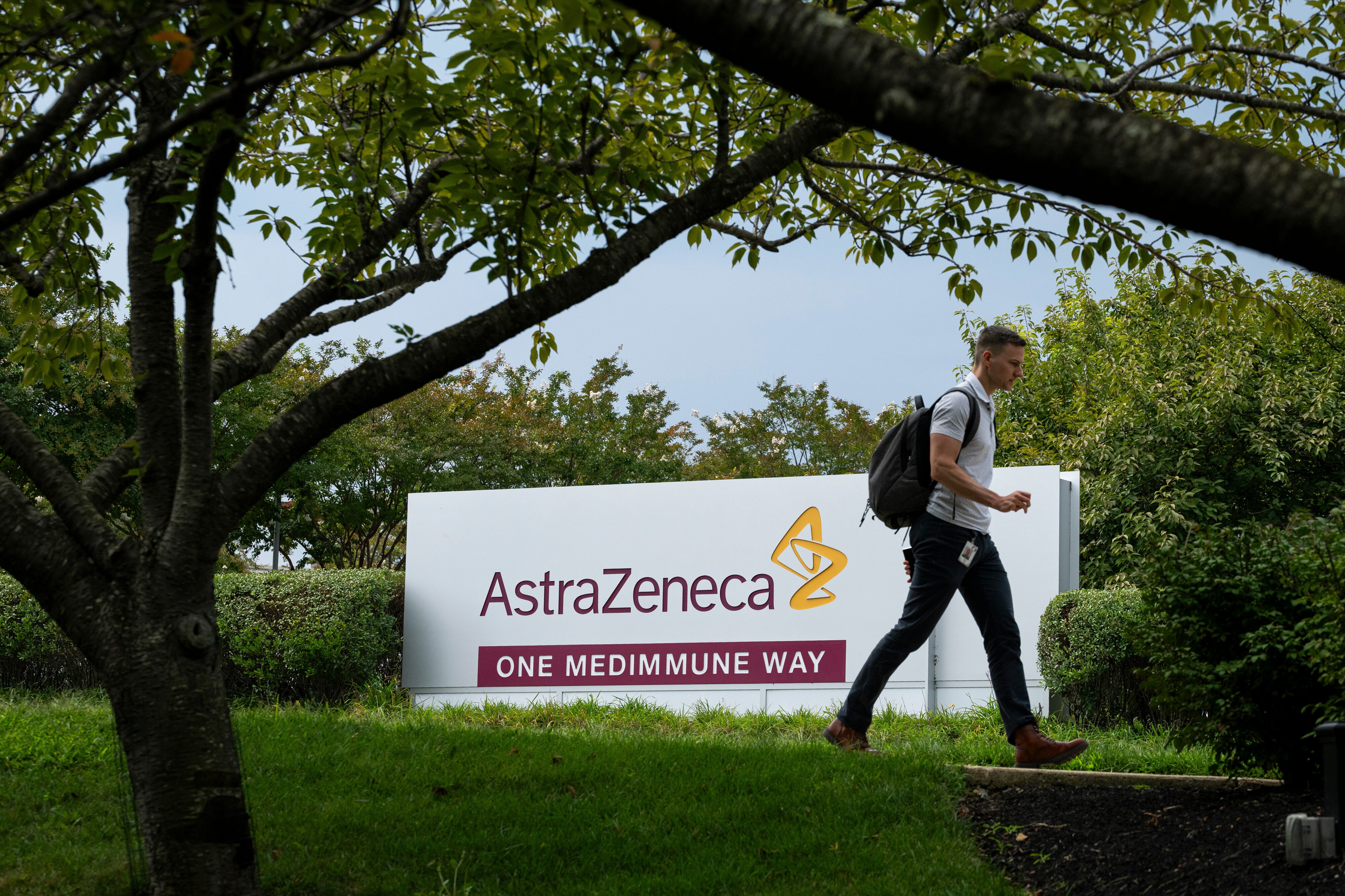
AstraZeneca Plc said its experimental hypertension pill reduced blood pressure by more than twice as much as standard treatment in a large late-stage study, bolstering its chances of competing in a crowded field.
The highest dose of the daily baxdrostat pill cut blood pressure by an average 15.7 mm Hg, or millimeters of mercury, when added to other hypertension medicines over 12 weeks, according to the study presented Saturday to the European Society of Cardiology meeting in Madrid. Patients who got a placebo on top of other hypertension drugs saw their blood pressure fall 5.8 mm Hg.
Astra had already told investors this year that baxdrostat reduced patients' blood pressure significantly in the trial. Before the conference, UBS analysts said the benchmark for the more detailed results would be data roughly in line with lorundrostat, a similar medicine by Mineralys Therapeutics Inc. that cut blood pressure 11.7 points more than placebo after 12 weeks in a large study.
Astra's data is a key part of its effort to build a portfolio of medicines to treat heart conditions and obesity. The UK drugmaker has said baxdrostat could eventually bring in more than $5 billion a year in sales.
Resistance
Almost 1 in 10 patients have high blood pressure that's resistant to treatment, according to a New England Journal of Medicine editorial.
“The data is going to have a very important impact on patients,” said Ruud Dobber, president of Astra's biopharmaceuticals business unit. The drugmaker aims to file for regulatory approval by the end of the year, he added.
In Madrid, Astra's results were presented alongside an earlier-stage study from Roche Holding AG and Alnylam Pharmaceuticals Inc. of an experimental blood pressure shot that would only need to be given twice a year. The companies are starting a multi-year trial in 11,000 patients to see whether the sustained treatment will improve outcomes for them, not just lower their cholesterol.
The companies expect the trial to run until 2030.
Both trials are important because high blood pressure is still the top risk factor for death from heart disease, said Isabel Goncalves, a professor of cardiology at Lund University in Sweden, who wasn't involved in either trial.
Of the Roche shot, Goncalves said that if it proves to save lives in the long-term study, its administration only a few times a year could make it “particularly interesting.”
“This might help some patients to better adhere to their medication as many struggle to take pills every day,” she said. “Whatever the drug, the most important thing is that patients actually take it.”
Side Effects
Meanwhile more studies of Astra's drug are needed to confirm safety and assess outcomes over a longer period of time, Goncalves said, though she added that the results have the potential to change how patients are treated in the future.
Side effects of baxdrostat included high potassium levels in 3% of patients on a high dose. This tended to occur within the first two weeks of patients getting the drug, the Astra study's researchers said.
Baxdrostat, just like the rival lorundrostat, works by reducing production of aldosterone, a hormone made in the adrenal gland that helps the body regulate levels of salt and water. When levels of the hormone are high, people are less able to eliminate salt, driving up blood pressure.
That becomes more common with age, said Bryan Williams, chair of medicine at University College London who helped lead the Astra trial. “In my practice, I will be excited about having this drug available,” he said on a webcast.

-
Navigating Friction And Energy Realities: An Analysis Of Marco Rubio's October Visit To India

Occurring at a critical juncture marked by stalled trade negotiations and escalating geopolitical pressures over global energy supplies, the visit offers a profound window into modern US-India relations.
-
India Exports Capital. Why Not Export Trusteeship?
The big question, then, is whether India can build an institution that global borrowers, investors, banks, and lawyers can trust, even without an Indian connection.
-
France's Economy & Politics Are In Crisis | The Reason Why
Let's look at how the French economy and politics evolved under Nicolas Sarkozy, Franois Hollande and Emmanuel Macron.
-
You May Inherit The Business. You Must Earn Its Credibility.
Succession tests the founder's ability to share authority as much as it tests the next generation's readiness to assume it.
-
Signing Deals Is One Thing; Making Them Work Is Another | The Week In Whys
Sometimes, things don't turn out as planned. Indian companies have lost some bids to rivals, some projects won't produce until 2030.
-
FOMC Wall, PERM Suspension, Hospital Stocks | Talking Points This Week
A PERM suspension would directly affect green-card sponsorship rather than H-1B visas, so the near-term earnings impact could remain relatively limited. The key question is whether this marks a new phase in US scrutiny of Indian IT.
-
Everything, Everywhere, All At Once: Dalal Street's Week To Forget | Joining The Dots
Visa curbs, a Starlink spat and cancer drug caps: what connects this week's shocks for Indian markets
-
India Is Going Abroad For Critical Minerals. But It May Take Years To Pay Off | The Reason Why
Although India's steps are in the right direction, they remain modest compared with India's growing dependence.
-
When Everyone Has AI, What Gives You An Edge?
India's young workforce is entering an uncertain world of work where powerful AI tools are becoming widely accessible. The advantage will belong to those who combine deep expertise with digital fluency, and the distinctly human capabilities that technology cannot manufacture.
-
Wrong Labels, High Pesticide Residues Holding Back Agri Exports | The Reason Why
India needs stronger domestic food-safety and labelling standards, with best practices becoming part of everyday business for farmers, traders and food companies.










