1918 Pandemic Linked to Rise of Nazis, New York Fed Study Shows
(Bloomberg) --
In a warning for the potential political implications of coronavirus, a New York Federal Reserve paper has shown a link between the 1918 flu pandemic and the rise of the Nazi Party in Germany.
The study shows that cities with the greatest fatalities saw a reduction in social expenditure and that “influenza deaths of 1918 are correlated with an increase in the share of votes won by right-wing extremists.”
“This holds even when we control for a city's ethnic and religious makeup, regional unemployment, past right-wing voting, and other local characteristics assumed to drive the extremist vote share,” economist Kristian Blickle wrote. “The deaths brought about by the influenza pandemic of 1918-1920 profoundly shaped German society.”
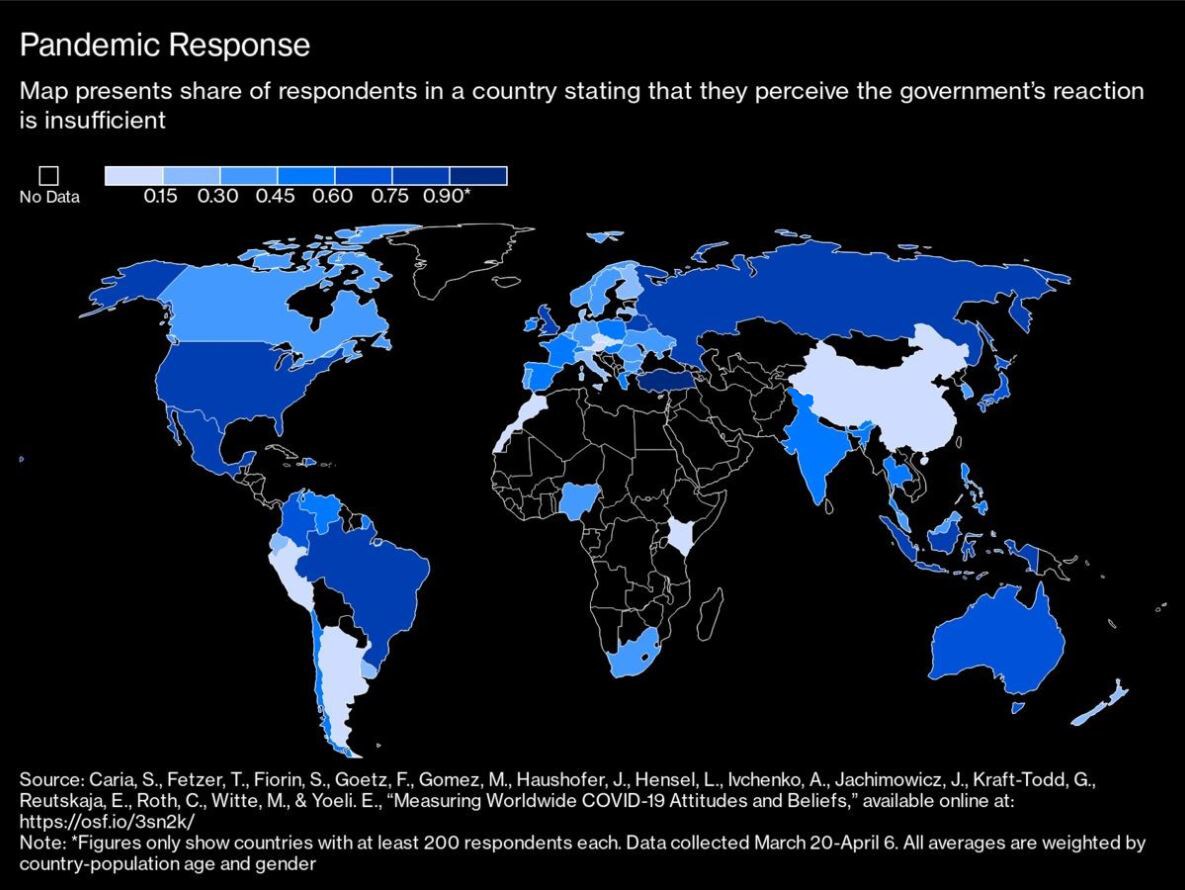
With the global economy facing its deepest peacetime recession in almost a century -- since the depression era in which the Nazis came to power -- as a result of the coronavirus outbreak, the report highlights the risk of enduring social effects if governments don't do enough.
International Monetary Fund Managing Director Kristalina Georgieva has urged countries to spend all they can to curb virus fallout.
The New York Fed paper argues that the 1918 pandemic may have especially changed “societal preferences” in younger people, as well as spurring resentment of foreigners.
“We are cautious about the interpretation of our results,” the author wrote. “Nevertheless, the study offers a novel contribution to the discussion surrounding the long-term effects of pandemics.”
Read more ...
- Trump Pushes Virus-From-China-Lab Theory That Divides U.S. Spies
- As Trump Blames China, Beijing Directs Fury at His Top Diplomat
©2020 Bloomberg L.P.

-
Ten Things I Learnt This Samvat

Patience can be a trap. Cheap stocks can stay cheap. Leverage can wipe you out. What did Samvat 2082 teach us? Niraj Shah writes on 10 lessons from the year gone by.
-
Talking Points This Week: Tech Nerves, FII Buying, And A Faraway Banking Shock
The global markets are not shining this Diwali. The exception in the large markets is, India.
-
Midterm Rally Lasted A Day. The Hard Reality Of A Divided US May Last Two Years | Opinion
Between a contested AI boom, a debt ceiling that arrives in 2027 and a president with every incentive to act alone, the next two years may prove more volatile than the first day's rally suggests.
-
Blue Wave Will Derail the AI Trade but Won't Dismantle the AI Era | Unhedged Position
The Democrats' sweep of the US Congress will see politics collide with economic forces both over the long and short term.
-
It's Time To Take The GST Council's Bet On Trust Global
Payment records can prove India's services exports, and clear, proportionate rules can bring foreign digital sellers into the tax net.
-
Opinion | India at 38: From Innovation Overperformer to Innovation Powerhouse
India now has 453 VC-backed deep science startups, 18 of them late-stage, after 117 percent growth since 2020. Laurus Labs, at USD 9.3 billion, is the most valuable deep science company in any middle-income economy outside China.
-
Navigating Energy Crossroads: S Jaishankar's Call For Diversified Supply Chains At G20 Ministerial Meeting
As geopolitical fault lines continue to test maritime trade routes and commodity flows, Jaishankar's message remains pertinent: true economic resilience requires open markets, protected transit lines, and a genuine commitment to multilateral cooperation rather than coercion.
-
Indians Are Travelling, But Not Every Journey Is A Holiday | The Week In Whys
Pilgrims, patients and working women are the real travellers, and the system hasn't quite caught up with them.
-
Getting To Work Costs Women More | The Reason Why
It is not just about women paying more than men. It is about women paying much more in cities than in villages.









