Is Xiaomi Really The Apple Of China’s Eye?
Each time I visit New York, San Francisco or London the tech geek in me ensures a visit to an Apple Store. In fact, it's become some sort of a ritual no matter which corner of the world I'm in.
They say you always want what you can't have. So I attribute this urge to the fact that we can't have one in India, yet. Not until the Indian government relaxes its rules for Apple to open its flagship retail stores in India. Under current norms, Apple must source at least 30 percent of its components locally if it wants to sell its products through Apple stores in India.
The Narendra Modi government is keen to get Apple to start manufacturing in India. Apple seems equally keen to oblige a country home to the one of the world's fastest-growing smartphone markets, but has sought a number of financial concessions and exemptions from India in return. Among its laundry list of requests is a 15-year tax holiday on imports of components and equipment.
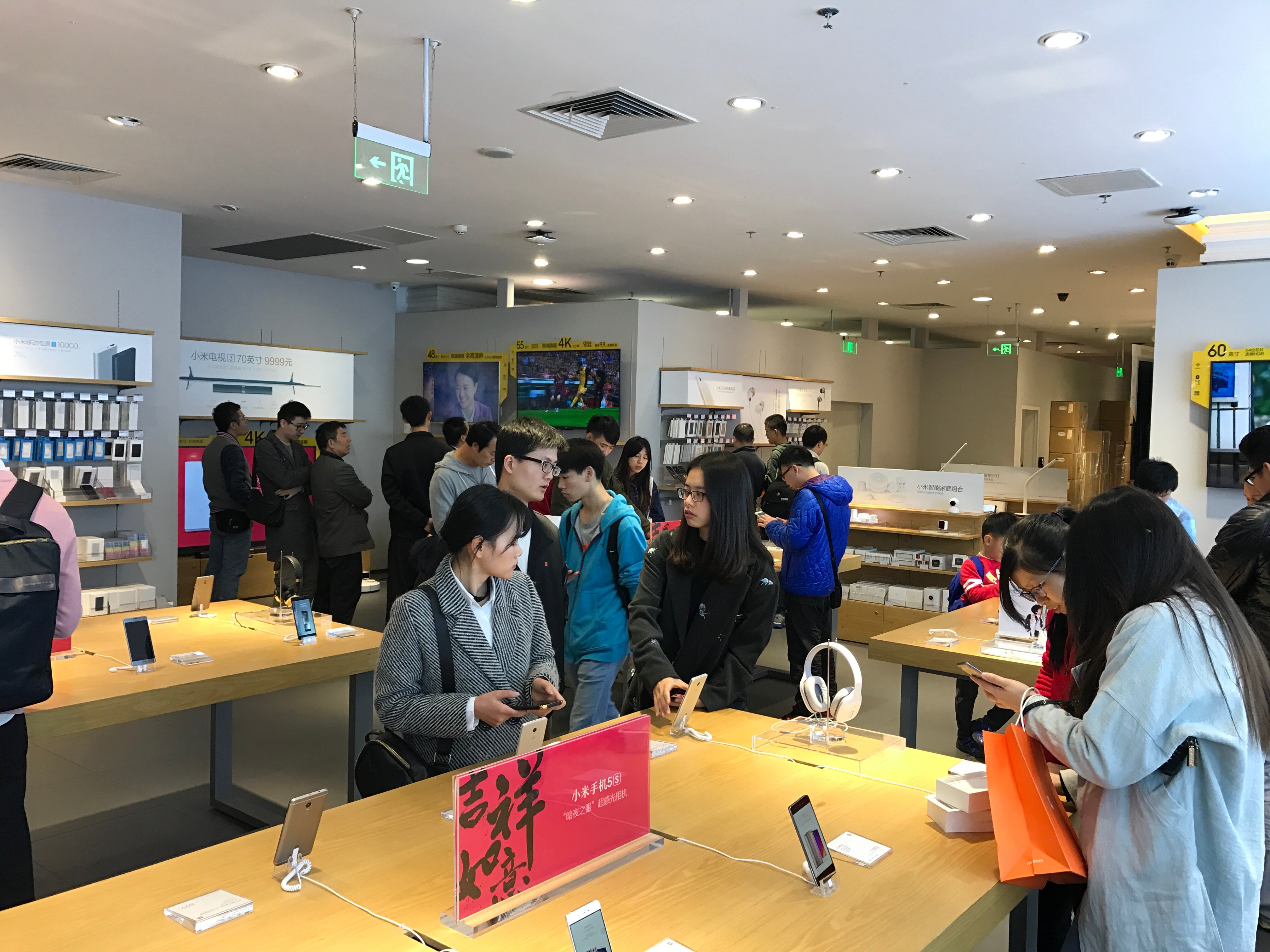
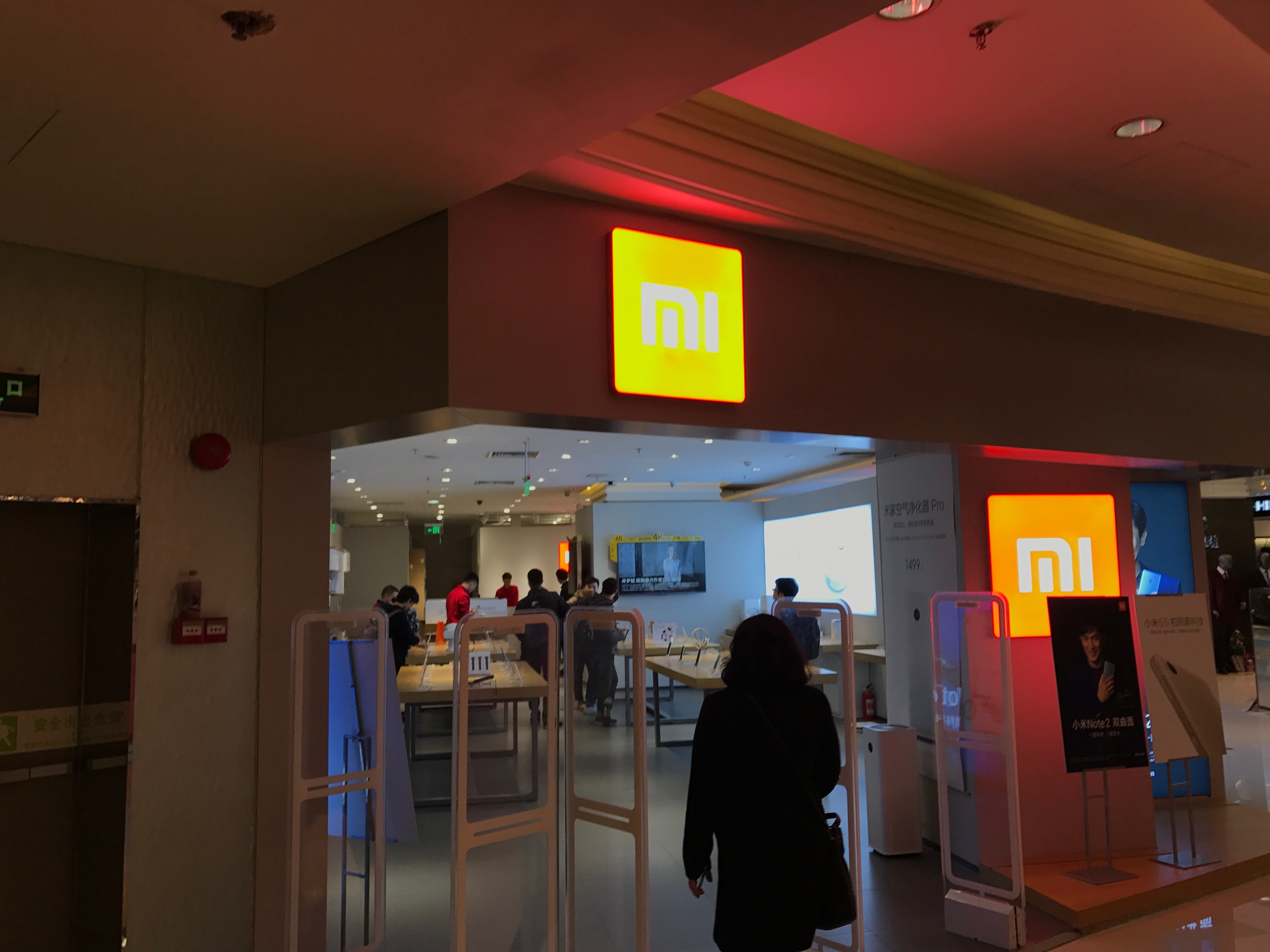
On a recent trip to China through I broke tradition and decided to steer clear of Apple Stores. Instead, I landed up at one of Xiaomi's flagship Mi stores at the Grand Plaza mall in downtown Guangzhou to see if it lived up to the hype.
“The Apple Of The East”
A company dubbed the “Apple of China” by tech geeks the world over conjures up images of fancy retail outlets with long serpentine queues of shoppers from around the world, lining up to buy swanky gadgets sold by perhaps the friendliest staff on earth.
When I entered Xiaomi's Mi Store in Guangzhou I was at a loss for words. And not just literally – everything in the store was in Chinese. I was dumbfounded by everything that I saw. There was everything that an Apple store has to offer, and a lot more.
Is This An Apple Store or Mi Store?
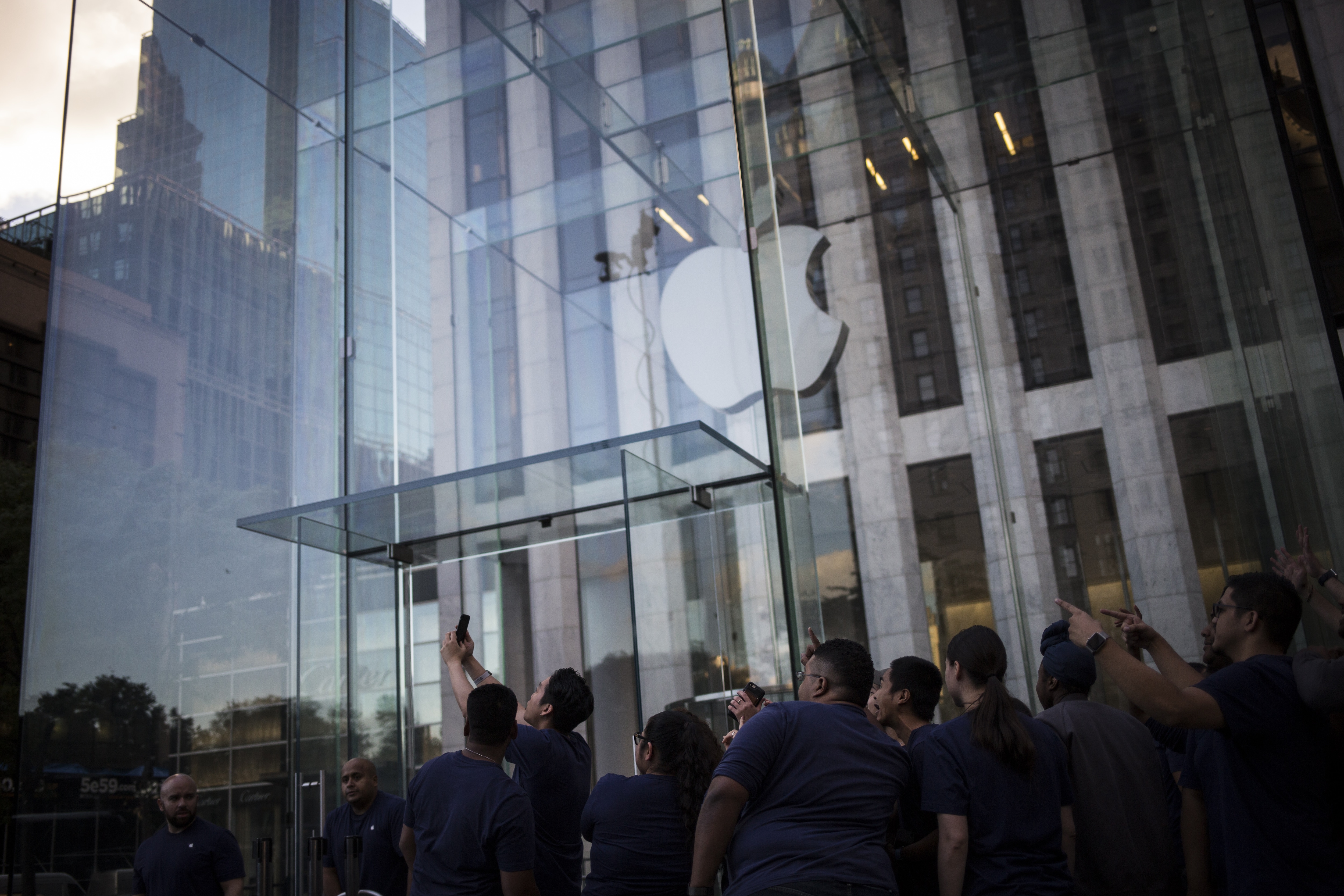
Since their inception, Apple Stores have proven to be hugely successful for the company. The fact that customers can come and see, touch and feel the company's devices has made these stores incredibly popular around the world. In fact stores like the one on Fifth Avenue or Grand Central in New York City or Regent Street in London or even the one in the Louvre in Paris have become more like tourist attractions than retail outlets. The architecture, the furniture and the impeccable customer service have earned Apple stores an iconic status in some of the world's busiest shopping districts.
On setting foot in Guangzhou's MiStore, I felt like I had walked right into an Apple Store. The store decor, the vibe, the products, the staff uniform – the resemblance was uncanny. Ron, a suave-looking store attendant greeted me with an infectious smile. He didn't speak fluent English and I don't understand any Chinese. But it turns out language is never a communication barrier for fellow tech geeks. In an instant, he knew I was there to enquire about the Amazfit Smartwatch. While we didn't necessarily need to speak a common language to communicate, there's always some retail strategies that might still be an impediment. The company only sells the watch with a Chinese OS in China. What I was most impressed with was the fact that Ron and his colleagues tried their best to see if there was some setting by which I could change the watch's display setting to English and they continued to try till I was convinced it wasn't technically possible. Very Apple-esque with their customer service? It doesn't stop there.
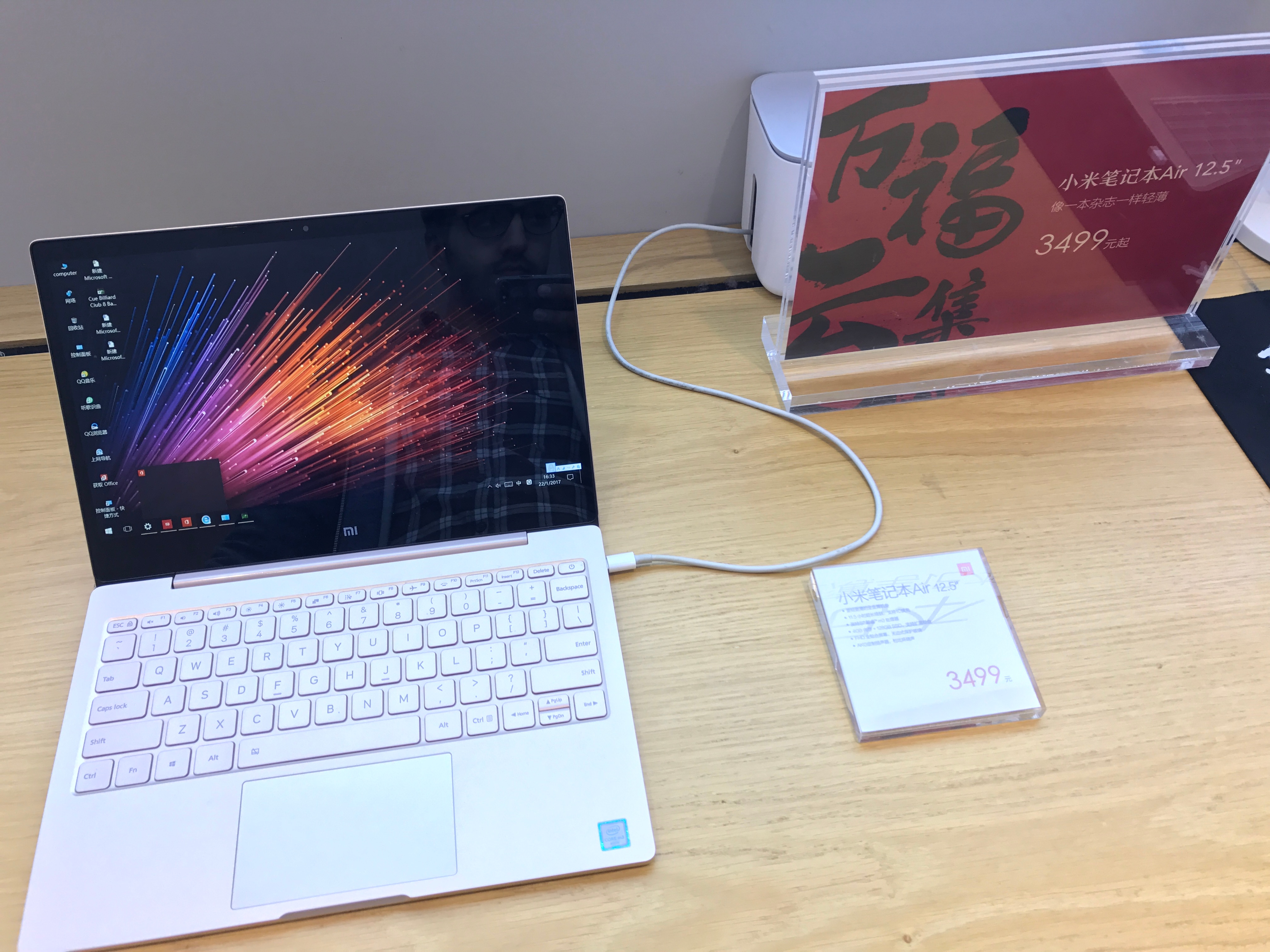
Take a little stroll in the same shop and you begin to feel a sense of guilt for breaking the bank on a Macbook Air in India when Xiaomi's Notebook Air 12.5 inch costs just Rs 35,000 and its 13.3 inch version costs Rs 50,000. And it's no pushover either. Thinner than its rival from Apple, it comes with dedicated high-end graphics card, unlike the Macbook Air. While it's a Windows laptop, most of the specs seem at par with Apple's Macbook Air.
Of course, it goes without saying that just like Apple, what seems to be working wonders for Xiaomi is the fact that they have all their flagship phones on display as well. While I looked around, a local shopper greeted me with a “hello”. Since it looked like she spoke some English, I asked her whether she would ever pick up an iPhone 7. She quipped, “Only Xiaomi Mi 5! No iPhone”. And that was the kind of response I learnt to expect throughout my trip. While iPhones are common in China, brands like Xiaomi, Oppo and Huawei are just as popular in the mainland.
Is This A Retail Store Or Tech Convention?
That's the next question that cropped up in my head because amidst all the smartphones, tablets, power banks, routers and portable speakers, was a two-wheeled masterpiece called QiCycle. That's right. Xiaomi was selling a smart electric bike which can be folded and stored in the boot of your car, at a price tag of around Rs 30,000.
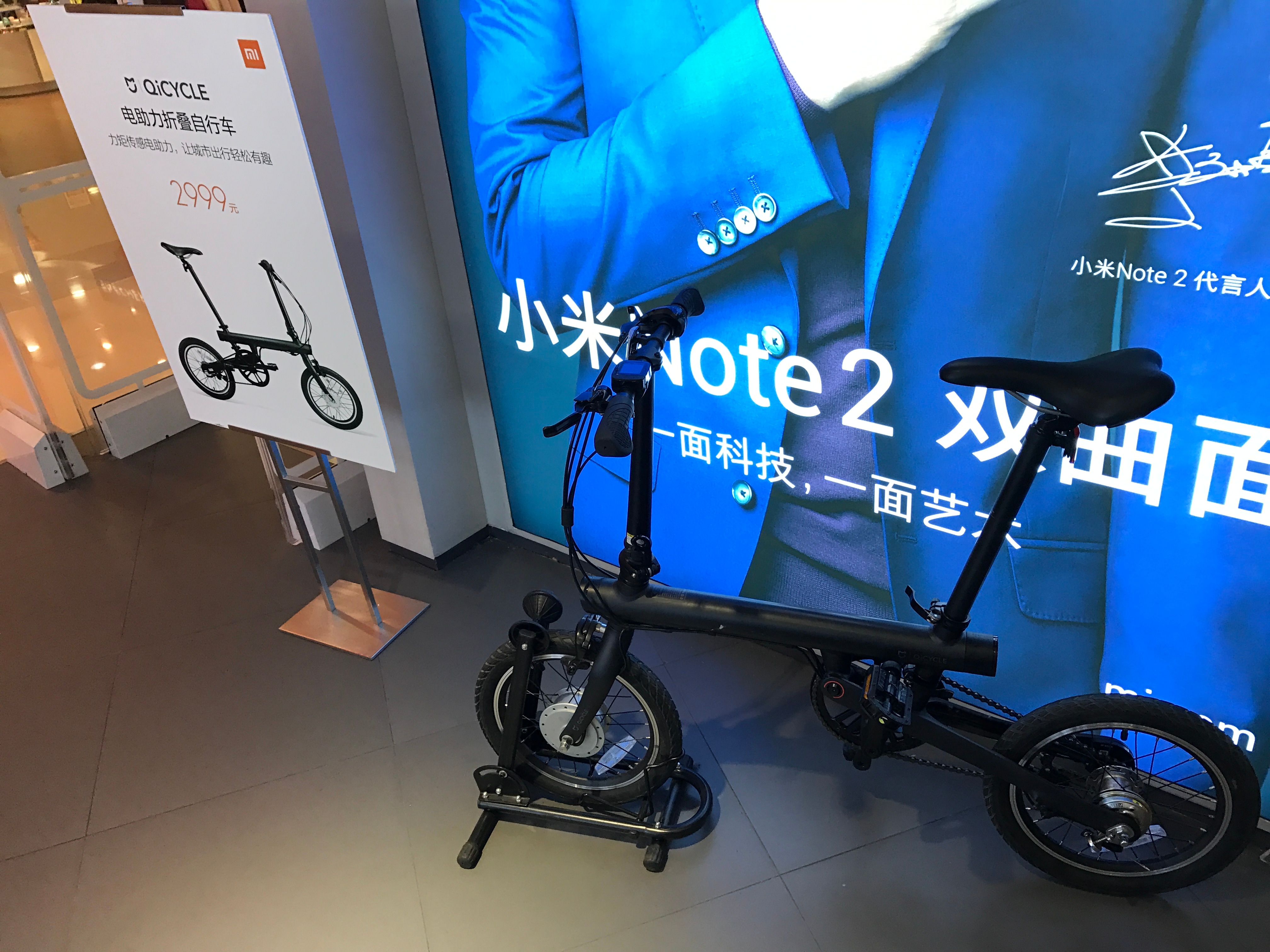
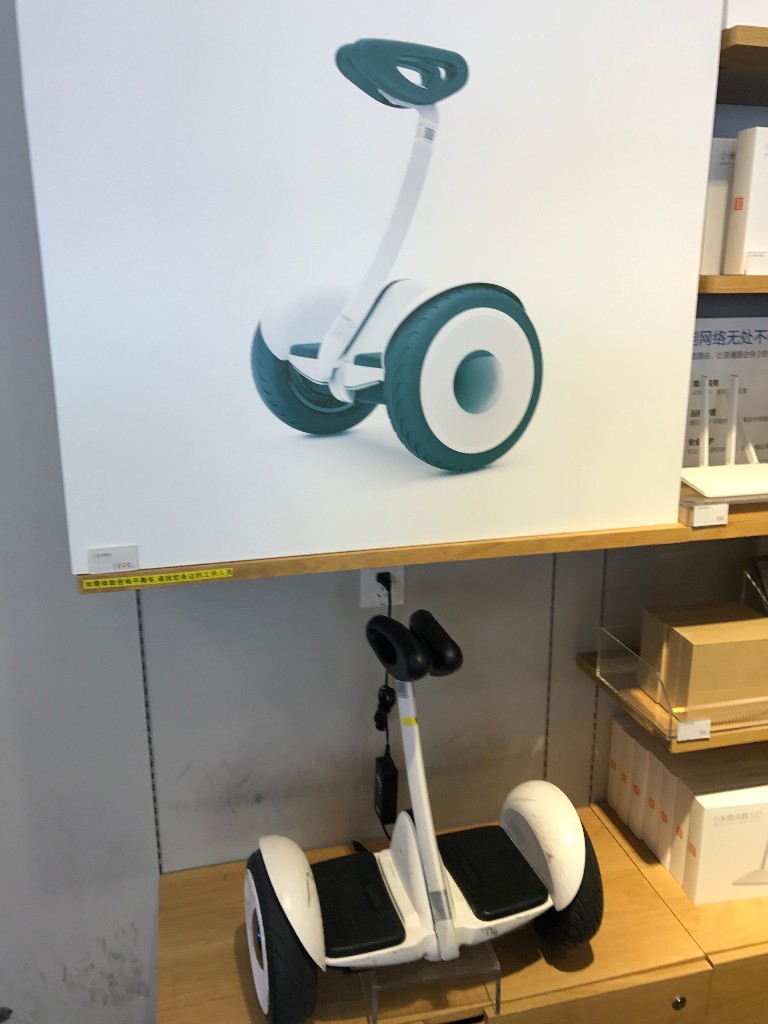
I tried hard not to be too impressed. In fact I completely ignored the smart scooter that was on display right beside it and moved from this mini personal transport section to what looked like the home appliances section.
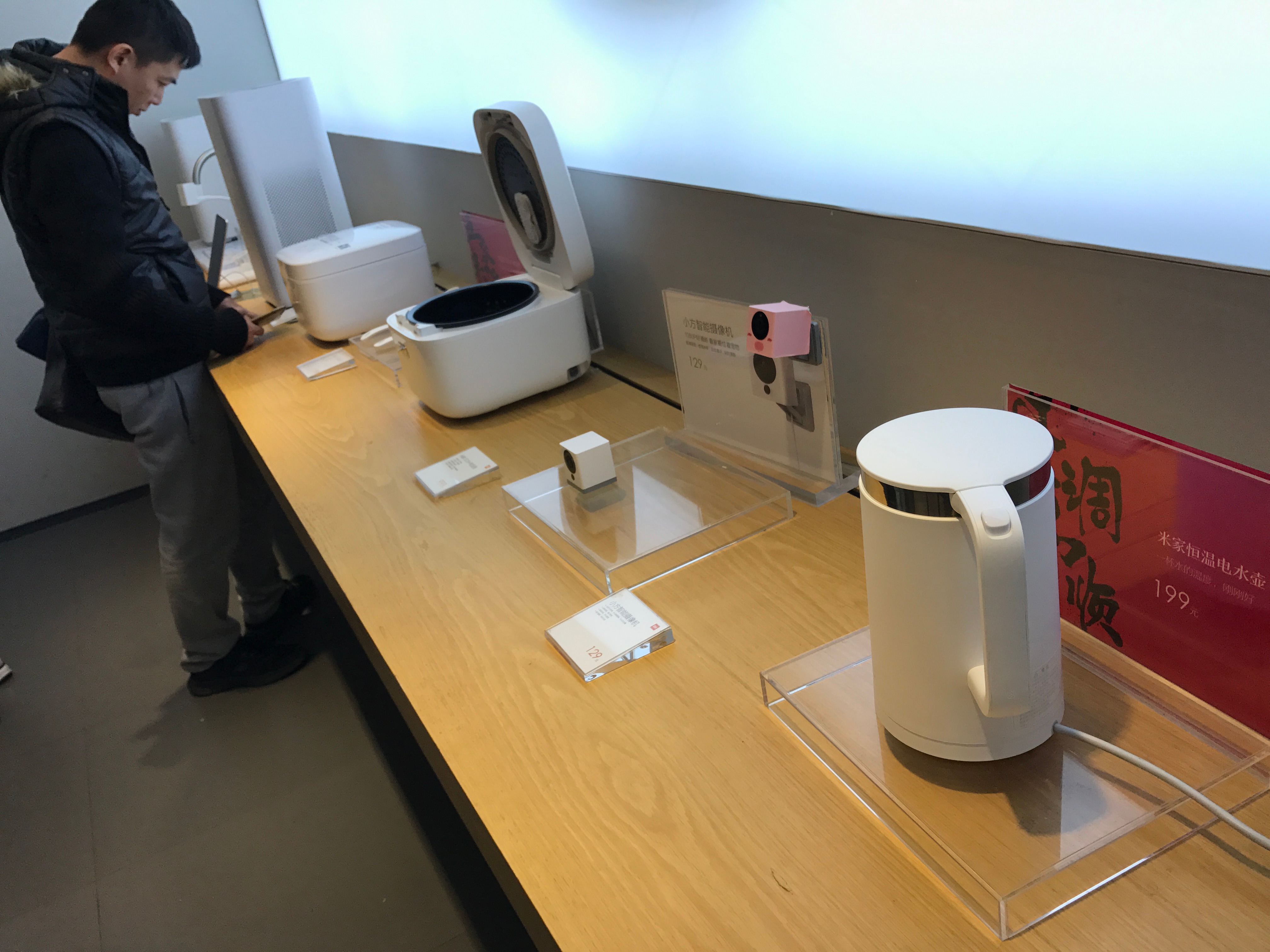
It seemed like a mini sci-fi museum. There were smart air and water purifiers, smart lights, smart kettles, surveillance cameras and a smart induction heating rice cooker. Apparently, this supercomputer-backed rice cooker uses an advanced electromagnetic heating technology coupled with a micro-pressure heating technology that allows you to heat your rice uniformly. Now, while this seemed really cool, it will set you back by Rs 13,000 and therefore ideal for window shopping. And I'm not sure how Indian customs would react to a smart rice cooker that looked like it had popped out of a Transformers movie.
In fact, most of my time there was spent translating and window shopping. I realised that was because of a couple of things. Firstly, the store only accepted Chinese currency and Chinese cards, both of which I didn't have. For most of the trip I was using my travel card and very limited local currency. Secondly, while Xiaomi has gained a lot of ground in India in the last two years, sadly, it still isn't a brand that Indian buyers associate with premium quality or premium service. Perhaps that's prejudiced but traditionally Indian buyers are wary of buying Chinese products, no matter how superior they might actually be to Apple or Samsung devices under the hood. Having said that, I did purchase a small portable speaker and a fitness band from the store.
The Forbidden Fruit?
It's interesting that if a short visit to a Xiaomi retail store in China got a tech geek like me this excited, you can only imagine what it'd be like if we had such stores in the comfort of our own cities in India. There's definitely a market and the prospect of incredible success for electronics brands to set up such shops in India, especially till a certain fruit-logo company remains forbidden to do so.

-
Blue Wave Will Derail the AI Trade but Won't Dismantle the AI Era | Unhedged Position

The Democrats' sweep of the US Congress will see politics collide with economic forces both over the long and short term.
-
It's Time To Take The GST Council's Bet On Trust Global
Payment records can prove India's services exports, and clear, proportionate rules can bring foreign digital sellers into the tax net.
-
Opinion | India at 38: From Innovation Overperformer to Innovation Powerhouse
India now has 453 VC-backed deep science startups, 18 of them late-stage, after 117 percent growth since 2020. Laurus Labs, at USD 9.3 billion, is the most valuable deep science company in any middle-income economy outside China.
-
Navigating Energy Crossroads: S Jaishankar's Call For Diversified Supply Chains At G20 Ministerial Meeting
As geopolitical fault lines continue to test maritime trade routes and commodity flows, Jaishankar's message remains pertinent: true economic resilience requires open markets, protected transit lines, and a genuine commitment to multilateral cooperation rather than coercion.
-
Indians Are Travelling, But Not Every Journey Is A Holiday | The Week In Whys
Pilgrims, patients and working women are the real travellers, and the system hasn't quite caught up with them.
-
Getting To Work Costs Women More | The Reason Why
It is not just about women paying more than men. It is about women paying much more in cities than in villages.
-
AI Bias In Investing Cannot Be Eliminated, But It Can Be Governed
Framing is a particularly important example as identical financial information presented in terms of gains rather than losses can lead an LLM to reach a different assessment.
-
Joining The Dots | Dark Skies, Steady Diya: Why Hope Holds This Diwali
With war, a weak rupee and foreign outflows weighing on sentiment, policymakers at the NDTV World Summit and market veterans at NDTV Profit Ignite: Diwali Edition offered the same advice: stay invested and filter out the noise.
-
The Curious Case of Equitas Small Finance Bank And A CEO Who Quit For Stock
PN Vasudevan believes persistent investor concerns over a perceived conflict of interest had become a governance overhang on Equitas Small Finance Bank's stock, even as the lender improved profitability and asset quality.










