Softbank To Lead Grofers’ $80 Million Funding Round
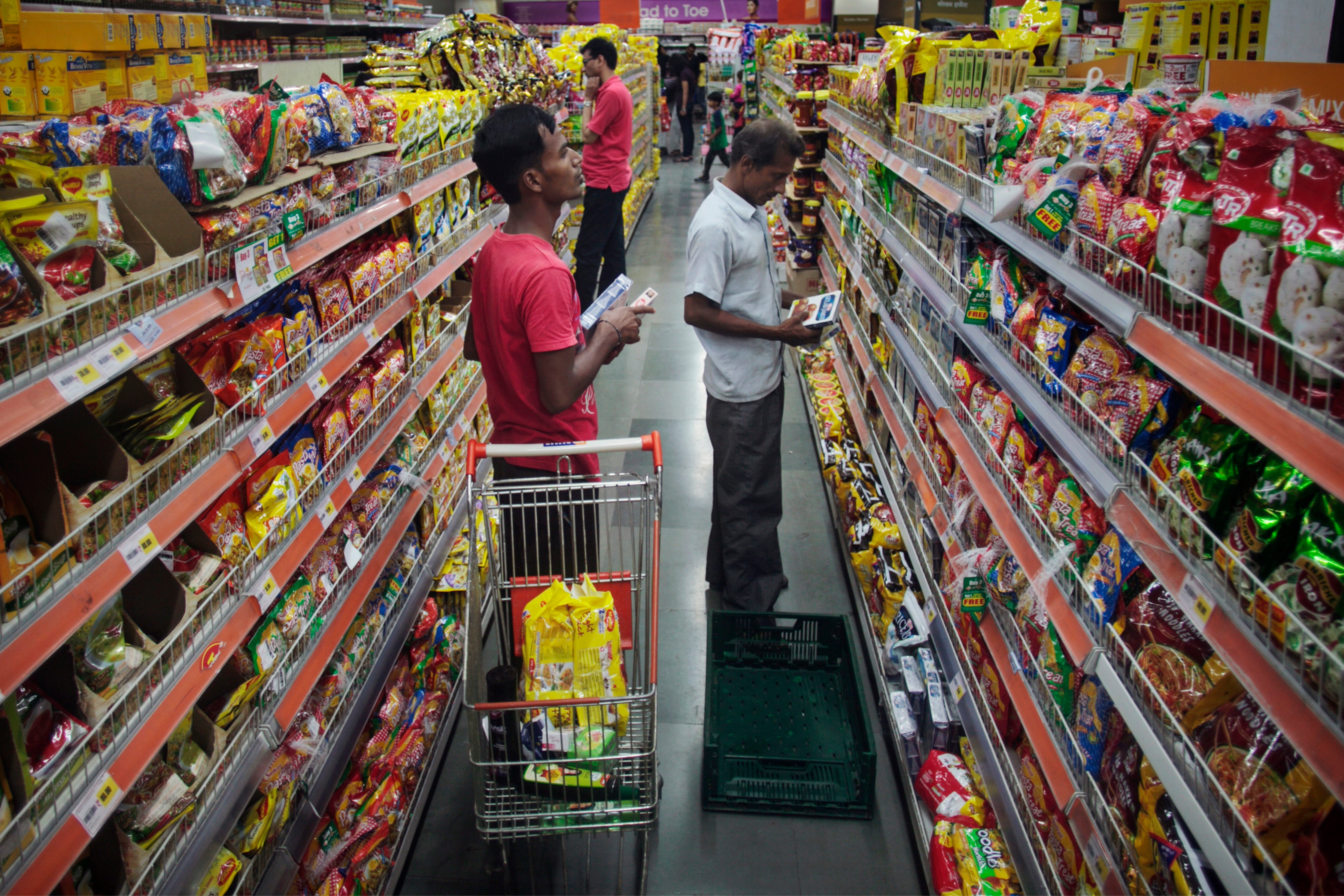
Online grocery startup, Grofers India Pvt. is in the final stages of raising $75-80 million in a round led by its existing investor, Japan's Softbank Group Corp., said two people privy to the development.
Grofers will be valued at around $310 million, roughly 11 percent less than its last round, one of the people quoted above said requesting anonymity, as the talks are private. The Gurugram-based startup had raised $120 million in 2015 at a valuation of $350 million.
Existing investors including Tiger Global and Yuri Milner's personal investment vehicle, Apoletto, will also participate in the fresh round, the person added. Softbank alone is looking to pump in $60-65 million in this round, the second person said, adding that Sequoia will skip this round. The deal is likely to close in another two weeks.
Grofers, Tiger Global, and Apoletto did not respond to emails seeking comment on the new funding. “We never comment on speculation,” Softbank said in an emailed response.
Earlier this week, Livemint had also reported that Grofers is raising $65 million at a 40 percent lower valuation.
Grocery Opportunity
The fresh investment by Masayoshi Son-led Softbank into Grofers signals the growing competition in India's grocery space, which recently saw Alibaba Group Holding Ltd. putting in $300 million in Grofers' biggest rival BigBasket. Grofers also faces competition from homegrown e-commerce platform Flipkart Ltd. and from the world's largest e-commerce company Amazon.com Inc., both of which are also looking to expand their grocery play aggressively.
The online grocery business is set to be the fastest-growing e-tail segment in India, expanding at a compounded annual growth rate of over 65-70 percent between financial years 2016-17 and 2019-20, rating agency Crisil said in a report. Grocery-related ventures' revenue is expected to almost quadruple to Rs 10,000 crore over the next three years, Crisil estimates.
The proposed funding will give Grofers much-needed ammunition to strengthen its business. In India, over the past couple of year several of the high-profile grocery startups, like PepperTap and LocalBanya-have downed their shutters.
Grofers, which started operations in 2013, too has had its share of learning. The firm which sells everything from vegetables to kitchen mops transitioned from a hyperlocal model to an inventory-led model two years ago.

-
Love, Sex Aur Dhokha: The Audacious Plot To Spy On Jensen Huang

A Taipei dinner, a Singapore chip buyer and a suspected Chinese asset: inside the alleged spy operation that got close to NVIDIA's Jensen Huang.
-
Ten Things I Learnt This Samvat
Patience can be a trap. Cheap stocks can stay cheap. Leverage can wipe you out. What did Samvat 2082 teach us? Niraj Shah writes on 10 lessons from the year gone by.
-
Talking Points This Week: Tech Nerves, FII Buying, And A Faraway Banking Shock
The global markets are not shining this Diwali. The exception in the large markets is, India.
-
Midterm Rally Lasted A Day. The Hard Reality Of A Divided US May Last Two Years | Opinion
Between a contested AI boom, a debt ceiling that arrives in 2027 and a president with every incentive to act alone, the next two years may prove more volatile than the first day's rally suggests.
-
Blue Wave Will Derail the AI Trade but Won't Dismantle the AI Era | Unhedged Position
The Democrats' sweep of the US Congress will see politics collide with economic forces both over the long and short term.
-
It's Time To Take The GST Council's Bet On Trust Global
Payment records can prove India's services exports, and clear, proportionate rules can bring foreign digital sellers into the tax net.
-
Opinion | India at 38: From Innovation Overperformer to Innovation Powerhouse
India now has 453 VC-backed deep science startups, 18 of them late-stage, after 117 percent growth since 2020. Laurus Labs, at USD 9.3 billion, is the most valuable deep science company in any middle-income economy outside China.
-
Navigating Energy Crossroads: S Jaishankar's Call For Diversified Supply Chains At G20 Ministerial Meeting
As geopolitical fault lines continue to test maritime trade routes and commodity flows, Jaishankar's message remains pertinent: true economic resilience requires open markets, protected transit lines, and a genuine commitment to multilateral cooperation rather than coercion.
-
Indians Are Travelling, But Not Every Journey Is A Holiday | The Week In Whys
Pilgrims, patients and working women are the real travellers, and the system hasn't quite caught up with them.









