PwC India Launches VIKSIT Framework; Tech’s Role Critical In Driving Export Efficiency
PwC India has unveiled a report, "VIKSIT: An approach for India to achieve USD 1 trillion exports,” which outlines a framework to elevate India's export capabilities and drive sustainable growth in the backdrop of government of India's target of $1 trillion in merchandise exports by fiscal 2030. The report was launched by Union Minister of Commerce and Industry Piyush Goyal.
The report emphasised the role of public and private sector interventions towards creating a robust export ecosystem in the journey towards $1 trillion merchandise exports. The government has a significant role to play in the creation of an enabling ecosystem and the VIKSIT framework offers strategic guidance to various government bodies to resolve bottlenecks and drive export growth across key sectors such as automobiles, electronics and food processing.
The report details how VIKSIT's pillars—V focusing on value addition and volume growth in exports by identifying priority products and industries, I standing for infrastructure investments, K for knowledge sharing and capacity building, S for sustainable supply chain, I for inclusive industrialisation focused on MSMEs, and T denoting technology enablement—have the potential to uncover new sector-specific opportunities to help achieve India's export ambitions.
“India's rise to becoming the fifth largest global economy is mirrored by its increasing share in global trade, driven by a focus on export-led growth. We're excited to introduce the VIKSIT framework, a strategic initiative designed by PwC to leverage the nation's strengths and address key infrastructural and technological impediments to boost the country's export potential," said Sanjeev Krishan, chairperson, PwC India.
The PwC report underscored the vital role of technology in driving export efficiency, product quality and unit production. Advanced technology adoption in the Indian manufacturing and export sectors has been relatively slow, impacting the ability to cater to international market trends and demand, it said.
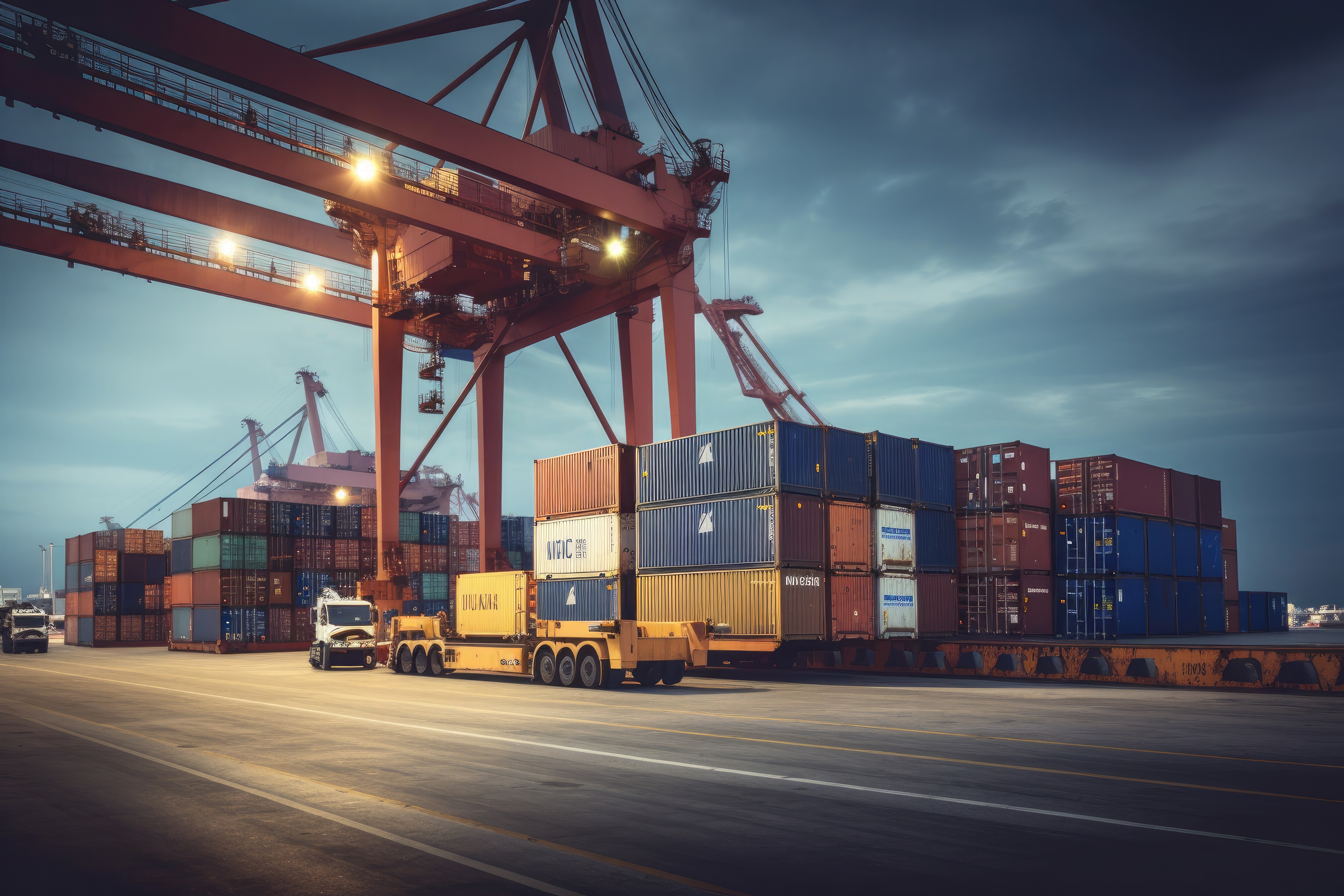
Considering the growth in containerised traffic owing to exports growth, the report recommended port authorities to envisage both capacity expansion and technology-led customs process enhancement.
The VIKSIT framework advises a technology-driven pathway for the automobile sector, led by original equipment manufacturers and followed up by Tier-2 and Tier-3 manufacturers. Electronics export growth should be driven by backward integration in manufacturing to improve value addition and scale expansion simultaneously. Access to capital, skills and innovation will be required to build sector capabilities, the framework added.
The report also outlined several considerations for charting India's export growth journey. While adding scale, India's manufacturing sector also needs to improve its value addition ratio to prevent commoditisation of the export basket and ensure that exports move towards high value-adding and emerging segments. In addition to product diversification, the report emphasises the criticality of expanding India's geographic market access to mitigate market concentration.

-
Where You Live Shapes How You Get To Work | The Reason Why

Two-wheelers are the most popular way to get to work in India, accounting for nearly 43% of workplace commutes.
-
High US Salaries, No Green Card Certainty: The Financial Calculation Facing Indian H-1B Families
The suspension of PERM processing at eight technology employers does not cancel existing H-1B visas. What it does is force a question many Indian families have been avoiding: is the US salary worth tying your career and family plans to one employer?
-
Unhedged Position: Can India See An Indonesia-Style Time Correction?
The Nifty is trading below levels it first clocked in 2024. Is there, then, as I have suggested in the headline, potential that the current time correction drags on painfully for the next three-five, even ten years?
-
Navigating Friction And Energy Realities: An Analysis Of Marco Rubio's October Visit To India
Occurring at a critical juncture marked by stalled trade negotiations and escalating geopolitical pressures over global energy supplies, the visit offers a profound window into modern US-India relations.
-
India Exports Capital. Why Not Export Trusteeship?
The big question, then, is whether India can build an institution that global borrowers, investors, banks, and lawyers can trust, even without an Indian connection.
-
France's Economy & Politics Are In Crisis | The Reason Why
Let's look at how the French economy and politics evolved under Nicolas Sarkozy, Franois Hollande and Emmanuel Macron.
-
You May Inherit The Business. You Must Earn Its Credibility.
Succession tests the founder's ability to share authority as much as it tests the next generation's readiness to assume it.
-
Signing Deals Is One Thing; Making Them Work Is Another | The Week In Whys
Sometimes, things don't turn out as planned. Indian companies have lost some bids to rivals, some projects won't produce until 2030.
-
FOMC Wall, PERM Suspension, Hospital Stocks | Talking Points This Week
A PERM suspension would directly affect green-card sponsorship rather than H-1B visas, so the near-term earnings impact could remain relatively limited. The key question is whether this marks a new phase in US scrutiny of Indian IT.
-
Everything, Everywhere, All At Once: Dalal Street's Week To Forget | Joining The Dots
Visa curbs, a Starlink spat and cancer drug caps: what connects this week's shocks for Indian markets









