Nearly 80% Workers Trust Autonomous AI Future, Humans Critical To Getting There: Research
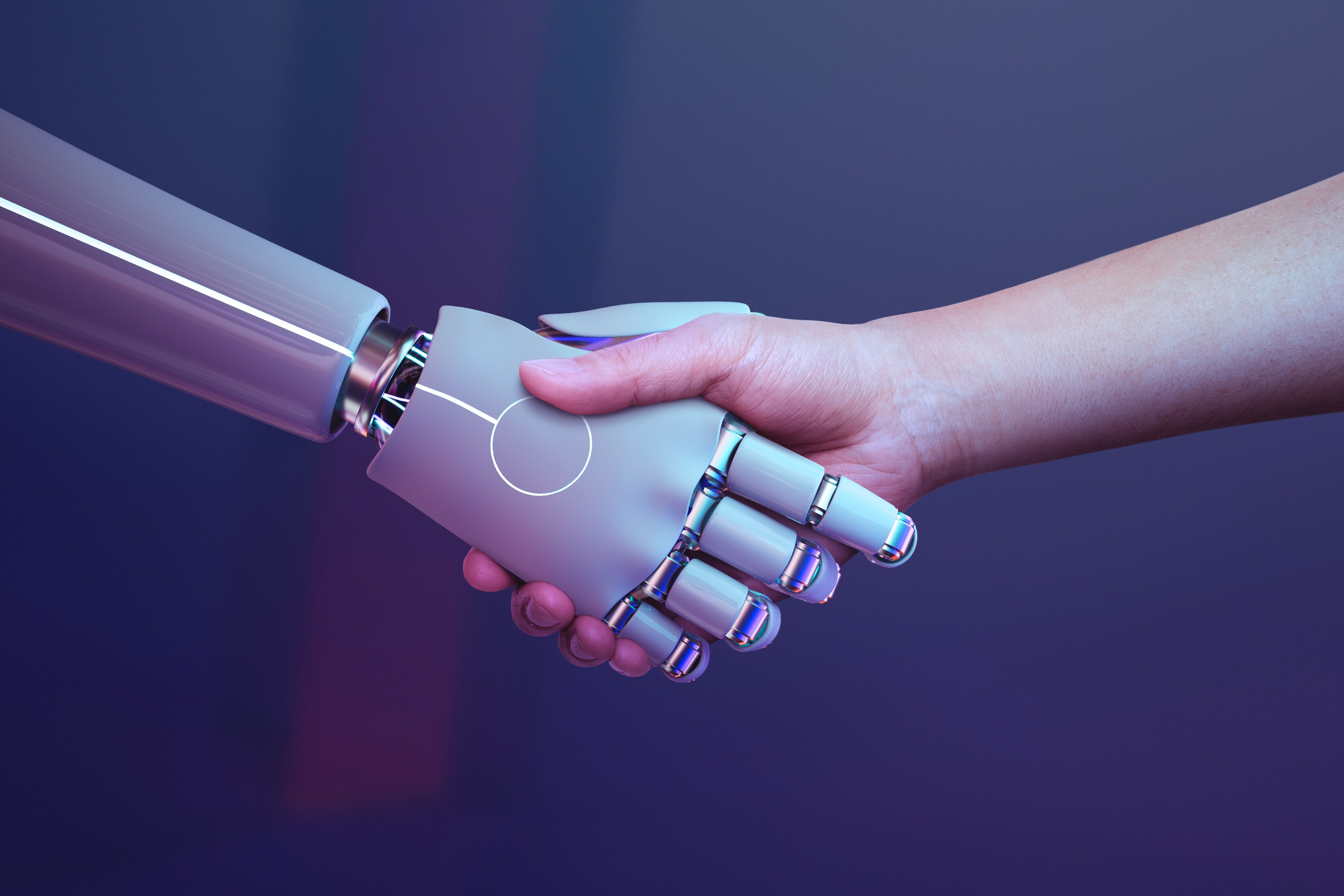
Workers today already trust artificial intelligence to do almost half of their work tasks. While workers feel most comfortable when AI and humans work together, they are also beginning to trust AI to complete time-saving tasks autonomously, like writing code, uncovering data insights and drafting written communications, according to new research by Salesforce Inc.
The survey of nearly 6,000 full-time knowledge workers, including from India, showed that workers aren't delegating everything to AI just yet. They prefer tasks like onboarding, training and keeping data safe to be overseen by humans, but this likely won't last long. Data also suggested that investing in knowledge and education builds trust in an autonomous AI future.
Below are the findings from the research:
Small Group Of Workers Trust Autonomous AI
While enterprise leaders trust AI to do 51% of their work, rank-and-file workers trust the technology to do 40% of their tasks. Workers today already trust AI to do roughly 43% of their work tasks, indicating a shift to offload tasks to the technology.
According to the research, 77% of workers will eventually trust AI to operate autonomously. This number includes 10% who trust AI to operate autonomously today, 26% who will trust the technology to operate autonomously in less than three years, and 41% in three or more years.
Workers Trust Autonomous AI
More than half of the workers trust humans and AI to do most work tasks together. However, only some workers trust AI to do these same tasks autonomously.
Tasks they felt comfortable with offloading to autonomous AI included:
Writing Code: 15% trusted AI to write code autonomously; this share was higher among Indian respondents at 16%.
Uncovering Data Insights: 13% trusted AI to uncover data insights on its own.
Develop Communications: 12% trusted AI to develop internal and external communications without a human; 14% Indian respondents trusted AI on this.
Act As A Personal Assistant: 12% (13% Indian respondents) trusted autonomous AI to act as their personal assistant.
According to respondents, other tasks require having a human involved right now. Workers are most likely to trust humans alone to do the following:
Be Inclusive: 47% trusted humans alone to be inclusive.
Onboard And Train: 46% trusted humans alone to onboard and train employees.
Keep Data Safe: 40% trusted humans alone to keep data safe.
Human Involvement Can Pave The Way To Autonomous AI Future
According to research, 63% of workers said more human involvement would build their trust in AI. Concerns about AI may come from a lack of understanding, with 54% of workers saying they do not know how AI is implemented or governed in their workplace.
Workers who are knowledgeable about how AI is implemented and governed are five times more likely to say they will trust AI to operate autonomously within the next two years than those who are not knowledgeable.
Research also uncovered an AI knowledge gender gap, with males 94% more likely to say they are knowledgeable about how AI is implemented and governed in their workplace compared to females.
Training may be another key to trusted autonomy, with 62% of workers saying more skill-building and training opportunities would build their trust in AI.

-
Talking Points This Week: Tech Nerves, FII Buying, And A Faraway Banking Shock

The global markets are not shining this Diwali. The exception in the large markets is, India.
-
Midterm Rally Lasted A Day. The Hard Reality Of A Divided US May Last Two Years | Opinion
Between a contested AI boom, a debt ceiling that arrives in 2027 and a president with every incentive to act alone, the next two years may prove more volatile than the first day's rally suggests.
-
Blue Wave Will Derail the AI Trade but Won't Dismantle the AI Era | Unhedged Position
The Democrats' sweep of the US Congress will see politics collide with economic forces both over the long and short term.
-
It's Time To Take The GST Council's Bet On Trust Global
Payment records can prove India's services exports, and clear, proportionate rules can bring foreign digital sellers into the tax net.
-
Opinion | India at 38: From Innovation Overperformer to Innovation Powerhouse
India now has 453 VC-backed deep science startups, 18 of them late-stage, after 117 percent growth since 2020. Laurus Labs, at USD 9.3 billion, is the most valuable deep science company in any middle-income economy outside China.
-
Navigating Energy Crossroads: S Jaishankar's Call For Diversified Supply Chains At G20 Ministerial Meeting
As geopolitical fault lines continue to test maritime trade routes and commodity flows, Jaishankar's message remains pertinent: true economic resilience requires open markets, protected transit lines, and a genuine commitment to multilateral cooperation rather than coercion.
-
Indians Are Travelling, But Not Every Journey Is A Holiday | The Week In Whys
Pilgrims, patients and working women are the real travellers, and the system hasn't quite caught up with them.
-
Getting To Work Costs Women More | The Reason Why
It is not just about women paying more than men. It is about women paying much more in cities than in villages.
-
AI Bias In Investing Cannot Be Eliminated, But It Can Be Governed
Framing is a particularly important example as identical financial information presented in terms of gains rather than losses can lead an LLM to reach a different assessment.









