Motorola And Lenovo Launch 'Smart Connect' For Android, Adding New Features
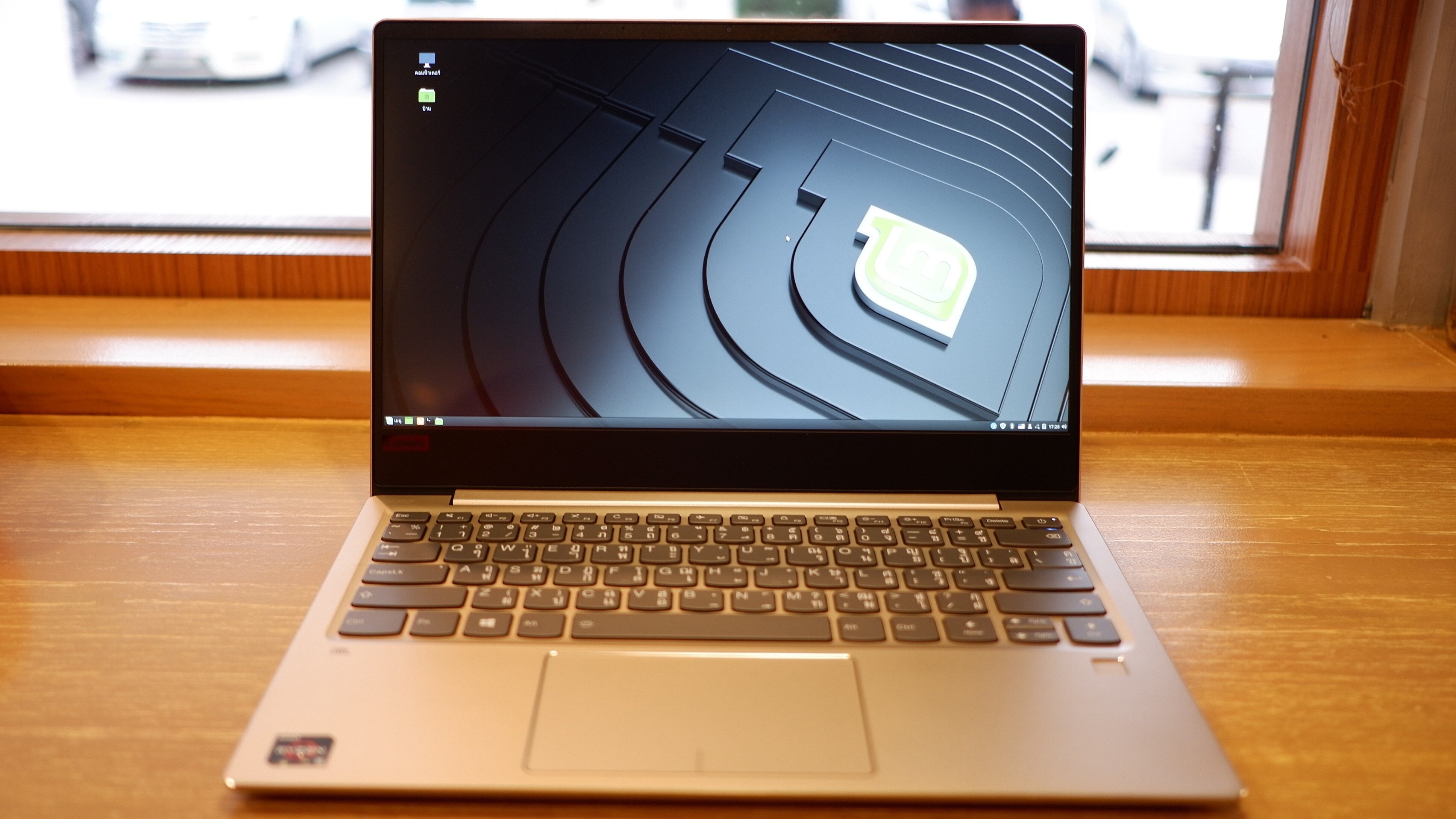
Motorola and Lenovo announced new features for their 'Smart Connect' application that pairs Windows machines to Motorola and Lenovo smartphones, according to a report from 9to5Google, which cited their announcements at Mobile World Congress 2025 in Barcelona on Monday.
The two phone companies announced that they will be launching this application for Android devices, expanding from the Windows version.
It will also be expanding to IoT devices such as Motorola's 'Moto Tag' (a device that helps users locate their belongings using Google's Find My Device and Bluetooth) and its smartwatches.
New Features
The application will have a new 'search' feature that will facilitate users finding files and photos present in any of their devices from one of their devices. This can help reduce confusion and save time for users attempting to access a file but being unable to recall which device it was present on.
Smart Connect will also be featuring 'natural language search' and shortcut commands built into the app, helping users to pull off functions in the application without having to take the trouble to open up settings.
Users will also have the ability to use 'natural language voice commands.' This can help users use voice commands to do things like connect a phone's hotspot to a laptop and run apps from their phone on a television, laptop, or tablet.
The application also features a customisable dashboard that provides a comprehensive view of all compatible devices, such as Moto Tags, Moto Buds, and personal computers. This dashboard facilitates users to manage device connections and keep track of battery charge for their devices.

-
Where You Live Shapes How You Get To Work | The Reason Why

Two-wheelers are the most popular way to get to work in India, accounting for nearly 43% of workplace commutes.
-
High US Salaries, No Green Card Certainty: The Financial Calculation Facing Indian H-1B Families
The suspension of PERM processing at eight technology employers does not cancel existing H-1B visas. What it does is force a question many Indian families have been avoiding: is the US salary worth tying your career and family plans to one employer?
-
Unhedged Position: Can India See An Indonesia-Style Time Correction?
The Nifty is trading below levels it first clocked in 2024. Is there, then, as I have suggested in the headline, potential that the current time correction drags on painfully for the next three-five, even ten years?
-
Navigating Friction And Energy Realities: An Analysis Of Marco Rubio's October Visit To India
Occurring at a critical juncture marked by stalled trade negotiations and escalating geopolitical pressures over global energy supplies, the visit offers a profound window into modern US-India relations.
-
India Exports Capital. Why Not Export Trusteeship?
The big question, then, is whether India can build an institution that global borrowers, investors, banks, and lawyers can trust, even without an Indian connection.
-
France's Economy & Politics Are In Crisis | The Reason Why
Let's look at how the French economy and politics evolved under Nicolas Sarkozy, Franois Hollande and Emmanuel Macron.
-
You May Inherit The Business. You Must Earn Its Credibility.
Succession tests the founder's ability to share authority as much as it tests the next generation's readiness to assume it.
-
Signing Deals Is One Thing; Making Them Work Is Another | The Week In Whys
Sometimes, things don't turn out as planned. Indian companies have lost some bids to rivals, some projects won't produce until 2030.
-
FOMC Wall, PERM Suspension, Hospital Stocks | Talking Points This Week
A PERM suspension would directly affect green-card sponsorship rather than H-1B visas, so the near-term earnings impact could remain relatively limited. The key question is whether this marks a new phase in US scrutiny of Indian IT.
-
Everything, Everywhere, All At Once: Dalal Street's Week To Forget | Joining The Dots
Visa curbs, a Starlink spat and cancer drug caps: what connects this week's shocks for Indian markets









