Meta Hit By EU Warning Over Ad-Free Instagram, Facebook
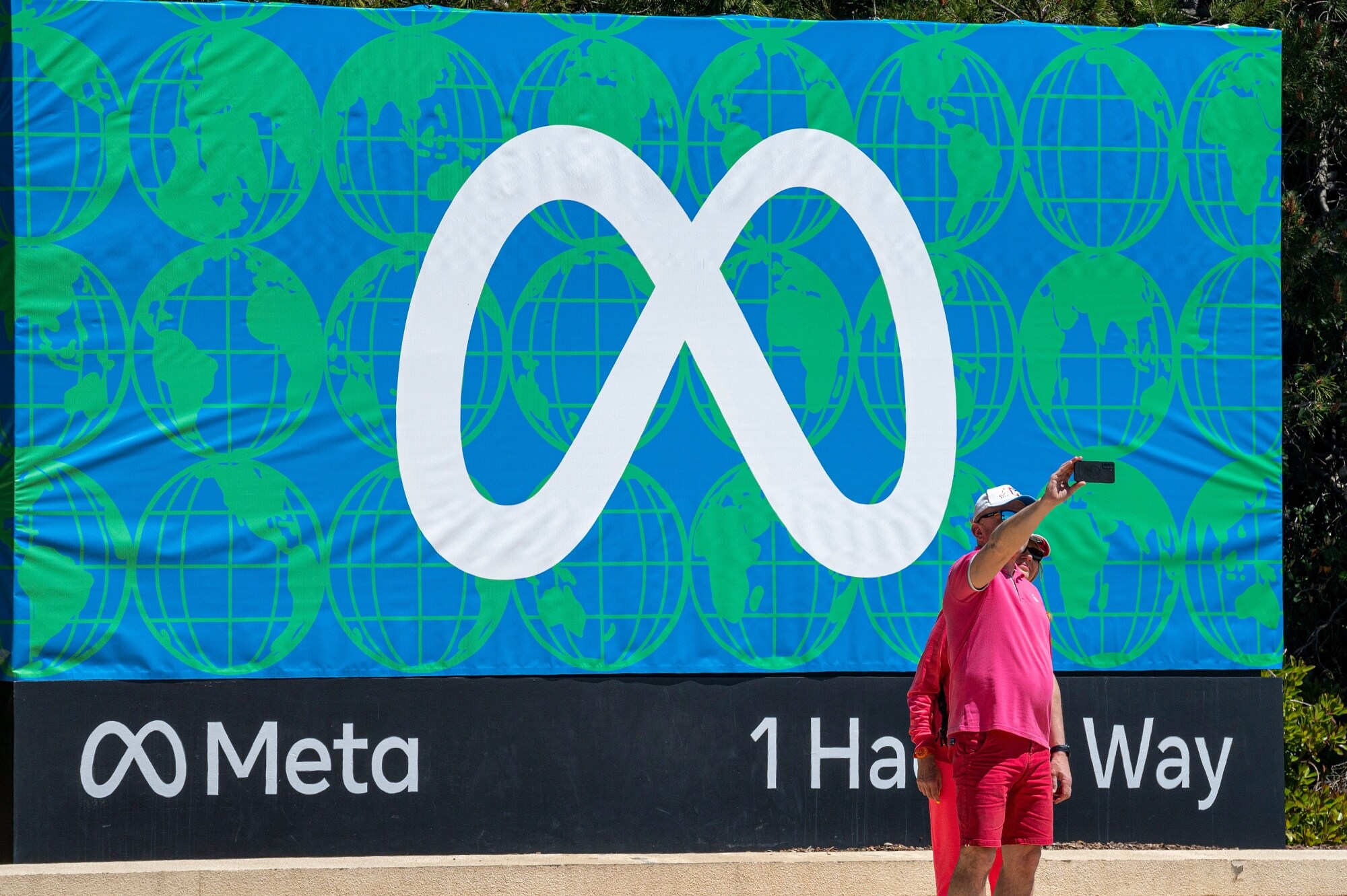
(Bloomberg) -- Meta Platforms Inc. has been slapped with a warning over its subscription model for ad-free services on Instagram and Facebook, risking potentially heavy fines in the European Union's latest attack on Big Tech under tough new rules.
EU regulators announced Monday that the so-called pay-or-consent policy falls foul of the EU's Digital Markets Act, because the new model “forces users to consent to the combination of their personal data,” while not being offered a less personalized version of either Facebook and Instagram.
“Our preliminary view is that Meta's advertising model fails to comply with the Digital Markets Act,” said Margrethe Vestager, the EU's antitrust chief. “We want to empower citizens to be able to take control over their own data and choose a less personalized ads experience.”
The DMA lays out a series of dos or don'ts for some of the world's largest tech platforms. The EU's move is a preliminary step. But eventual fines for breaches can be as high as 10% of global annual revenue, or 20% for repeated violations.
Meta introduced separate, ad-free versions of Facebook and Instagram in November, to ward off growing regulatory pressure over its processing of users' personal data. The company said in a statement that the new model complies with the DMA and that the company looks forward “ to further constructive dialog with the European Commission to bring this investigation to a close.”
Meta shares fell 1.3% at 10:05 a.m. in New York while the Russell 3000 Index Computer Services Subsector advanced.
Under EU rules, Big Tech firms must must seek users' consent for combining their personal data across platform services. If a user refuses such consent, they should have access to a less personalized version. The commission says that the likes of Meta cannot make the use of Facebook or Instagram conditional on users' consent.
The EU regulator's warning comes just a week after it issued a complaint over Apple Inc.'s DMA compliance, telling the iPhone maker that it must allow app developers to steer users to cheaper deals and offers outside of the App Store, in order to step into line with the rules.
As part of the DMA, it's illegal for certain services operated by the likes of Apple, Alphabet Inc.'s Google, Meta, Microsoft Corp., and Amazon.com Inc. to favor their own services over those of rivals. They are barred from combining personal data across their different services, prohibited from using data they collect from third-party merchants to compete against them, and have to allow users to download apps from rivals platforms.
(Updates with shares in sixth paragraph)
More stories like this are available on bloomberg.com
©2024 Bloomberg L.P.

-
Talking Points This Week: Tech Nerves, FII Buying, And A Faraway Banking Shock

The global markets are not shining this Diwali. The exception in the large markets is, India.
-
Midterm Rally Lasted A Day. The Hard Reality Of A Divided US May Last Two Years | Opinion
Between a contested AI boom, a debt ceiling that arrives in 2027 and a president with every incentive to act alone, the next two years may prove more volatile than the first day's rally suggests.
-
Blue Wave Will Derail the AI Trade but Won't Dismantle the AI Era | Unhedged Position
The Democrats' sweep of the US Congress will see politics collide with economic forces both over the long and short term.
-
It's Time To Take The GST Council's Bet On Trust Global
Payment records can prove India's services exports, and clear, proportionate rules can bring foreign digital sellers into the tax net.
-
Opinion | India at 38: From Innovation Overperformer to Innovation Powerhouse
India now has 453 VC-backed deep science startups, 18 of them late-stage, after 117 percent growth since 2020. Laurus Labs, at USD 9.3 billion, is the most valuable deep science company in any middle-income economy outside China.
-
Navigating Energy Crossroads: S Jaishankar's Call For Diversified Supply Chains At G20 Ministerial Meeting
As geopolitical fault lines continue to test maritime trade routes and commodity flows, Jaishankar's message remains pertinent: true economic resilience requires open markets, protected transit lines, and a genuine commitment to multilateral cooperation rather than coercion.
-
Indians Are Travelling, But Not Every Journey Is A Holiday | The Week In Whys
Pilgrims, patients and working women are the real travellers, and the system hasn't quite caught up with them.
-
Getting To Work Costs Women More | The Reason Why
It is not just about women paying more than men. It is about women paying much more in cities than in villages.
-
AI Bias In Investing Cannot Be Eliminated, But It Can Be Governed
Framing is a particularly important example as identical financial information presented in terms of gains rather than losses can lead an LLM to reach a different assessment.









