Indians Are Most Vulnerable To Nutrient Deficiency As CO2 Levels Rise
The food that Indians eat will turn a lot less nutritious in the next three decades, leading to deficiency on an epidemic scale. And rising carbon-dioxide emissions across the globe may be to blame.
That's according to a new study led by the Harvard T.H. Chan School of Public Health, which has estimated that rising carbon levels will drive an additional 175 million people to zinc deficiency and 122 million to protien deficiency by 2050.
India, that's expected to be the world's most populous country by then, will also bear the greatest burden. “India alone is the largest contributor to all 3 nutritional vulnerabilities: 50 million additional people to the newly zinc-deficient population, 38 million newly protein deficient, and 502 million women of childbearing age and children under 5 who are vulnerable to disease resulting from increasing iron deficiency,” the research, published yesterday in the peer-reviewed scientific journal Nature Climate Change, said.

That's alarming for a country which is already grappling with widespread micro-nutrient deficiency. More than two-thirds of Indians are affected by deficiencies in micro-nutrients like protein, iron, zinc and vitamin A, according to a research by the International Institute for Applied Systems Analysis using data from the National Sample Survey of Consumption Expenditure. In fact, 90 percent Indians are anemic, leading to lower life expectancy.
In particular, India has shown inconsistent gains in addressing under-nutrition and nutritional deficiencies.Impact Of Anthropogenic CO2 Emissions On Global Human Nutrition
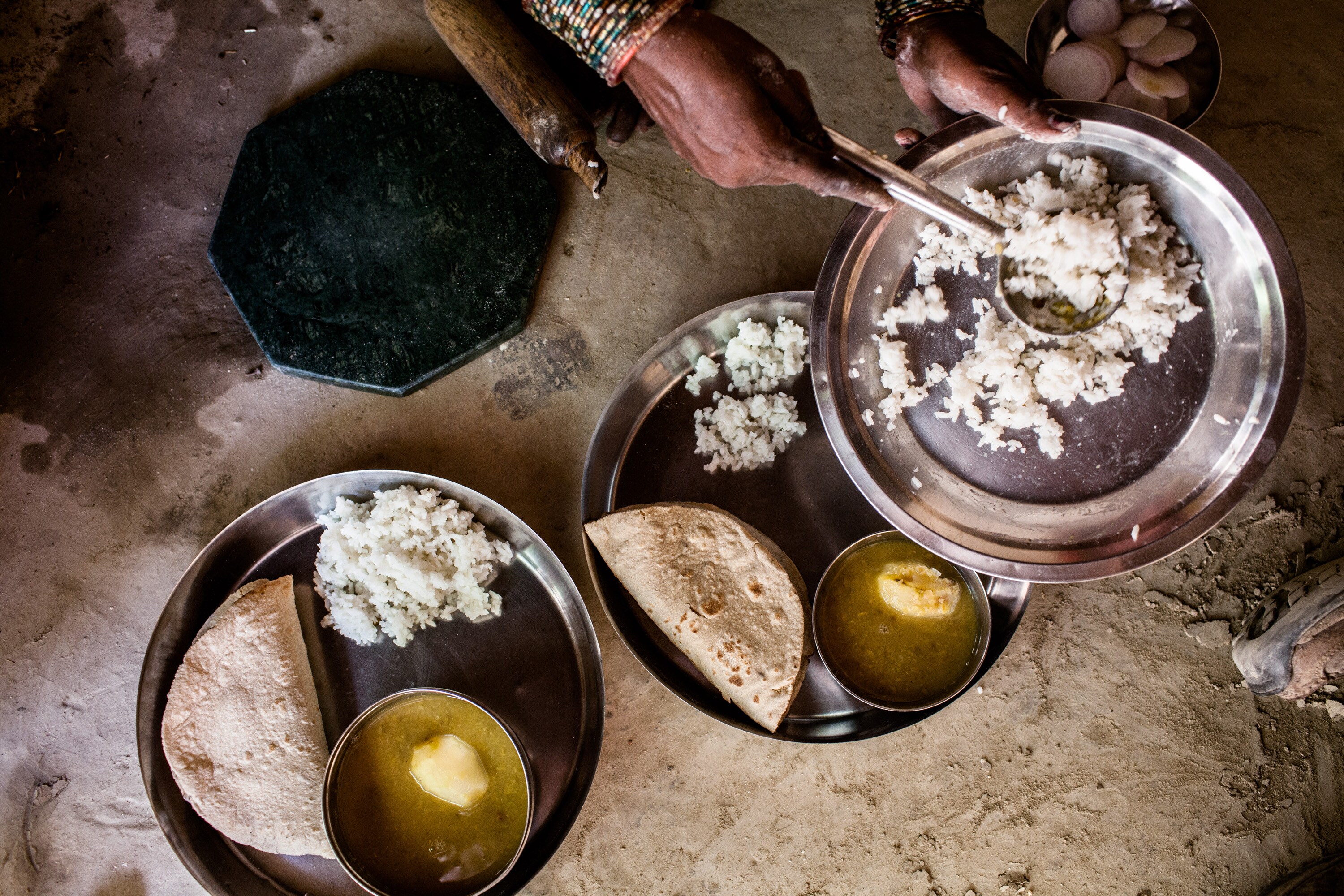
The Indian diet predominantly comprises wheat, the lesser-nutritious polished white rice, pulses and vegetables. Besides, India has the world's second lowest meat consumption, a key provider of proteins and iron, according to FAOSTAT. All these factors combined put Indians at risk the most, followed by countries in South Asia, Southeast Asia, Africa and the Middle East, the research noted.
Climate change is already known to threaten food security as extreme weather events can cause crop failures. This research brings to light how it can further add to the problem worsening malnutrition. The researchers—Samuel Myers and Matthew R. Smith—estimate that atmospheric carbon dioxide will surpass 550 parts per million in the next 30 years. And crops grown under such conditions are expected to have 3-17 percent less iron and zinc compared with current conditions where carbon levels are just over 400 ppm. They used age- and sex-specific food supply datasets in each country to estimate the impact across 225 different foods that'd be impacted by nutrient shifts in crops.
“Our research makes it clear that decisions we are making every day—how we heat our homes, what we eat, how we move around, what we choose to purchase—are making our food less nutritious and imperiling the health of other populations and future generations,” said Samuel Myers, lead author of the study and principal research scientist at Harvard Chan School, in a media statement. “We cannot disrupt most of the biophysical conditions to which we have adapted over millions of years without unanticipated impacts on our own health and well-being”.
Our goal was to bring focus to what appears to be a significant threat to global nutrition and to highlight those countries that, because of their diet and current health status, should remain careful in monitoring their vulnerability to these effects.Impact Of Anthropogenic CO2 Emissions On Global Human Nutrition
The researchers emphasised that the over 2 billion people that are already living with with nutritional deficiencies would likely see their conditions worsen as a result of less nutritious crops.
They suggested using different plant varieties of certain food crops that are less susceptible to carbon dioxide sensitivity. In addition, they said biofortification of crops with nutrients using agricultural techniques that've showed early promise may also be possible. “Also, national fortification and supplementation programmes,” the study said, “may ameliorate nutritional deficiencies, particularly for targeted vulnerable groups.”
The full research can be read here.

-
High US Salaries, No Green Card Certainty: The Financial Calculation Facing Indian H-1B Families

The suspension of PERM processing at eight technology employers does not cancel existing H-1B visas. What it does is force a question many Indian families have been avoiding: is the US salary worth tying your career and family plans to one employer?
-
Unhedged Position: Can India See An Indonesia-Style Time Correction?
The Nifty is trading below levels it first clocked in 2024. Is there, then, as I have suggested in the headline, potential that the current time correction drags on painfully for the next three-five, even ten years?
-
Navigating Friction And Energy Realities: An Analysis Of Marco Rubio's October Visit To India
Occurring at a critical juncture marked by stalled trade negotiations and escalating geopolitical pressures over global energy supplies, the visit offers a profound window into modern US-India relations.
-
India Exports Capital. Why Not Export Trusteeship?
The big question, then, is whether India can build an institution that global borrowers, investors, banks, and lawyers can trust, even without an Indian connection.
-
France's Economy & Politics Are In Crisis | The Reason Why
Let's look at how the French economy and politics evolved under Nicolas Sarkozy, Franois Hollande and Emmanuel Macron.
-
You May Inherit The Business. You Must Earn Its Credibility.
Succession tests the founder's ability to share authority as much as it tests the next generation's readiness to assume it.
-
Signing Deals Is One Thing; Making Them Work Is Another | The Week In Whys
Sometimes, things don't turn out as planned. Indian companies have lost some bids to rivals, some projects won't produce until 2030.
-
FOMC Wall, PERM Suspension, Hospital Stocks | Talking Points This Week
A PERM suspension would directly affect green-card sponsorship rather than H-1B visas, so the near-term earnings impact could remain relatively limited. The key question is whether this marks a new phase in US scrutiny of Indian IT.
-
Everything, Everywhere, All At Once: Dalal Street's Week To Forget | Joining The Dots
Visa curbs, a Starlink spat and cancer drug caps: what connects this week's shocks for Indian markets
-
India Is Going Abroad For Critical Minerals. But It May Take Years To Pay Off | The Reason Why
Although India's steps are in the right direction, they remain modest compared with India's growing dependence.









