India’s Hopes For Tesla Investment Cool As Musk Ceases Contact
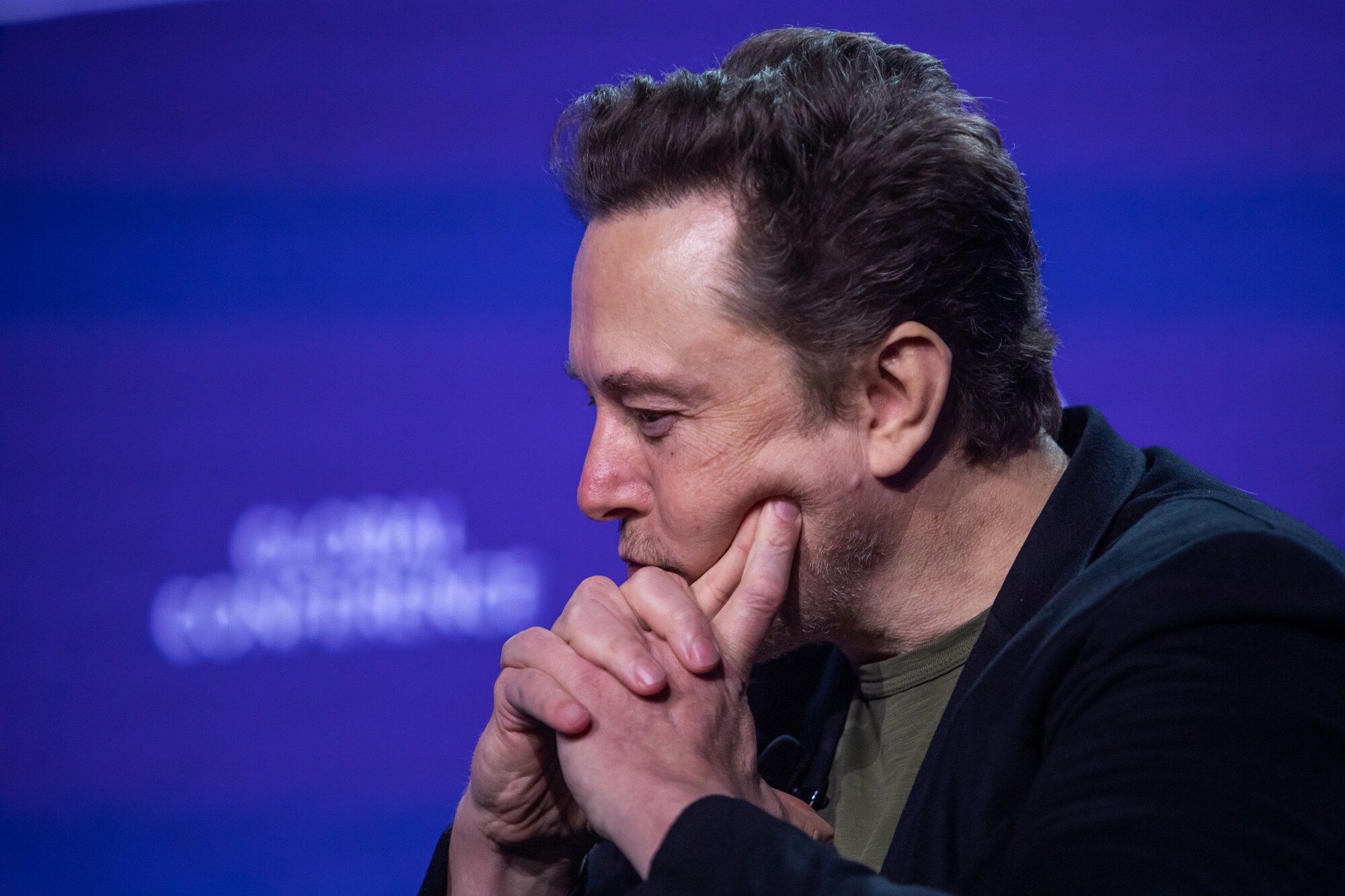
(Bloomberg) -- India doesn't expect Tesla Inc. to move forward with an investment in the country any time soon after executives at Elon Musk's electric carmaker stopped contacting them, according to people familiar with the matter.
Musk's team hasn't made any further inquiries with officials in New Delhi after the billionaire postponed a visit to India in late April, the people said, asking not to be identified because they're not authorized to speak publicly. The government is given to understand that Tesla has capital issues and doesn't plan on pledging fresh investment into India in the near future, they said.
The loss of interest in India comes as Tesla reported a second consecutive drop in quarterly deliveries globally and faces heightened competition in China. Musk announced major staff reductions in April, the EV maker's first new model in years, the Cybertruck, has been slow to ramp up while construction of a new plant in Mexico has been delayed.
Representatives from India's Ministry of Heavy Industries, which oversees the automobile sector, and the ministries of finance, and commerce and industry, didn't respond to requests for comment. Tesla also didn't respond to a request for comment.
Musk in April scrapped a planned visit to India that would have included a meeting with Prime Minister Narendra Modi, citing pressing issues at the company.
He had originally announced his visit just weeks after India lowered the import taxes on EVs from foreign carmakers that pledge to invest at least 41.5 billion rupees ($497 million) and start EV production from a local factory within three years.
Instead, India's government is pinning its hopes on domestic automakers like Tata Motors Ltd. and Mahindra & Mahindra Ltd. to boost EV production, the people said. Should Musk decide to re-engage, Tesla would still be welcome to avail itself of the new import tax policy, they added.
India's EV market is in its infancy, with battery-powered cars accounting for just 1.3% of the total last year, according to BloombergNEF. Many buyers are hesitant to make the switch due to electric cars' high upfront cost and a dearth of charging stations.
More stories like this are available on bloomberg.com
©2024 Bloomberg L.P.

-
Talking Points This Week: Tech Nerves, FII Buying, And A Faraway Banking Shock

The global markets are not shining this Diwali. The exception in the large markets is, India.
-
Midterm Rally Lasted A Day. The Hard Reality Of A Divided US May Last Two Years | Opinion
Between a contested AI boom, a debt ceiling that arrives in 2027 and a president with every incentive to act alone, the next two years may prove more volatile than the first day's rally suggests.
-
Blue Wave Will Derail the AI Trade but Won't Dismantle the AI Era | Unhedged Position
The Democrats' sweep of the US Congress will see politics collide with economic forces both over the long and short term.
-
It's Time To Take The GST Council's Bet On Trust Global
Payment records can prove India's services exports, and clear, proportionate rules can bring foreign digital sellers into the tax net.
-
Opinion | India at 38: From Innovation Overperformer to Innovation Powerhouse
India now has 453 VC-backed deep science startups, 18 of them late-stage, after 117 percent growth since 2020. Laurus Labs, at USD 9.3 billion, is the most valuable deep science company in any middle-income economy outside China.
-
Navigating Energy Crossroads: S Jaishankar's Call For Diversified Supply Chains At G20 Ministerial Meeting
As geopolitical fault lines continue to test maritime trade routes and commodity flows, Jaishankar's message remains pertinent: true economic resilience requires open markets, protected transit lines, and a genuine commitment to multilateral cooperation rather than coercion.
-
Indians Are Travelling, But Not Every Journey Is A Holiday | The Week In Whys
Pilgrims, patients and working women are the real travellers, and the system hasn't quite caught up with them.
-
Getting To Work Costs Women More | The Reason Why
It is not just about women paying more than men. It is about women paying much more in cities than in villages.
-
AI Bias In Investing Cannot Be Eliminated, But It Can Be Governed
Framing is a particularly important example as identical financial information presented in terms of gains rather than losses can lead an LLM to reach a different assessment.









