European Union Plans $11 Billion In Satellites In Counter To Elon Musk’s Starlink
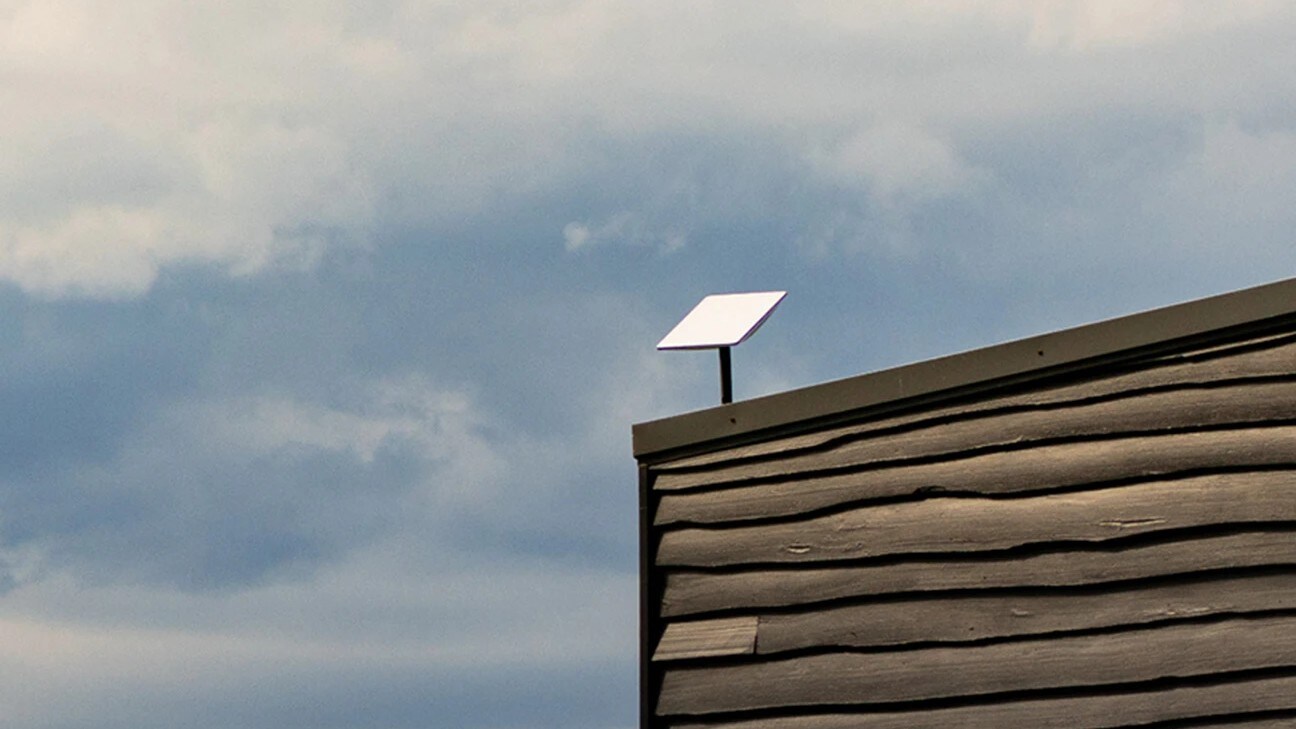
(Bloomberg) -- The European Union is committing to build a €10.6 billion ($11.13 billion) constellation of satellites that will provide the bloc with encrypted global internet connectivity in a bid to provide a homegrown alternative to Elon Musk's Starlink.
The EU on Monday signed contracts to begin work on IRIS2, a 290-satellite multi-orbital network slated to be fully operational by 2030 that can serve European governments and militaries, as well as private customers. But it's a very late start for the bloc as it tries to close the gap with Starlink, which boasts more than 6,000 satellites and claims customers in some 100 countries.
The EU is concerned about becoming dependent on a private service after militaries across the world showed interest in Starlink's applications. The plan, which will be carried out through a public-private partnership, aims for IRIS2 to be a European-operated alternative to third-party actors.
The three companies building the EU's constellation are Luxembourg-based SES SA, France's Eutelsat SA, and Spain's Hispasat SA.
The EU is investing €6 billion, the companies will commit €4.1 billion, and the European Space Agency will provide €550 million. The contract will last for 12 years, and part of the EU's investment will be conditional on approval by the bloc's member states.
Andrius Kubilius, the bloc's new defense and space commissioner, hailed the signing as “a major step forward” for the bloc's security and defense, saying that Europe was under threat in many ways, including from Russia's jamming of navigation signals.
“In times of war, we can't afford to lose connectivity,” he said.
Starlink has been a significant factor during the war in Ukraine, where Kyiv's army has used it to carry out military operations. Musk's advisory role in the incoming administration of Donald Trump is raising additional questions about how that role could affect Starlink's operations.
“There is this narrative in the industry that Starlink has won and everybody else is dead, right? That's not true,” SES Chief Executive Officer Adel Al-Saleh said in an interview with Bloomberg. “They invest a lot of money so they are very difficult to compete with. However, every country and every nation wants to have sovereignty and Independence. Even small countries are looking to launch a satellite.”
Al-Saleh said that the IRIS2 contract will allow companies like SES – which develops satellites operating on a higher orbit than Starlink – to thrive, thanks to the EU being their “anchor customer.”
SES and the other companies will also be allowed to sell portions of their services to commercial customers, with a European Commission official saying that about half the constellation's capacity will be reserved for government activities.

-
Navigating Energy Crossroads: S Jaishankar's Call For Diversified Supply Chains At G20 Ministerial Meeting

As geopolitical fault lines continue to test maritime trade routes and commodity flows, Jaishankar's message remains pertinent: true economic resilience requires open markets, protected transit lines, and a genuine commitment to multilateral cooperation rather than coercion.
-
Indians Are Travelling, But Not Every Journey Is A Holiday | The Week In Whys
Pilgrims, patients and working women are the real travellers, and the system hasn't quite caught up with them.
-
Getting To Work Costs Women More | The Reason Why
It is not just about women paying more than men. It is about women paying much more in cities than in villages.
-
AI Bias In Investing Cannot Be Eliminated, But It Can Be Governed
Framing is a particularly important example as identical financial information presented in terms of gains rather than losses can lead an LLM to reach a different assessment.
-
Joining The Dots | Dark Skies, Steady Diya: Why Hope Holds This Diwali
With war, a weak rupee and foreign outflows weighing on sentiment, policymakers at the NDTV World Summit and market veterans at NDTV Profit Ignite: Diwali Edition offered the same advice: stay invested and filter out the noise.
-
The Curious Case of Equitas Small Finance Bank And A CEO Who Quit For Stock
PN Vasudevan believes persistent investor concerns over a perceived conflict of interest had become a governance overhang on Equitas Small Finance Bank's stock, even as the lender improved profitability and asset quality.
-
Talking Points This Week: AI Cash Burn, A Tiger Comeback And An India That Still Finds Its Own Path
India is not immune to higher oil or tighter global liquidity, yet its earnings base is broader, its domestic policy levers are still available.
-
Foreign Investors Own Half Of HDFC Bank and ICICI Bank. An LTCG Cut Could Matter Most Here
Foreign portfolio investors have US$115 billion parked in HDFC Bank, ICICI Bank. If the government cuts long-term capital gains tax, Jefferies says returning foreign money could land here first.
-
'Never Seen This Level Of Negativity': Sandeep Tandon Says The Next Rally May Be Closer Than You Think
Veteran investor Sandeep Tandon says foreign selling is easing, large-caps are due a comeback and mid-caps are crowded, while he turns positive on gold, power and pharma this Diwali.
-
Indians Stay With Family, Not In Hotels | The Reason Why
India still lacks enough clean, reliable and affordable hotels for budget-conscious travellers.










