Alibaba’s First Smart Car, the RX5 is Available for Pre-Booking
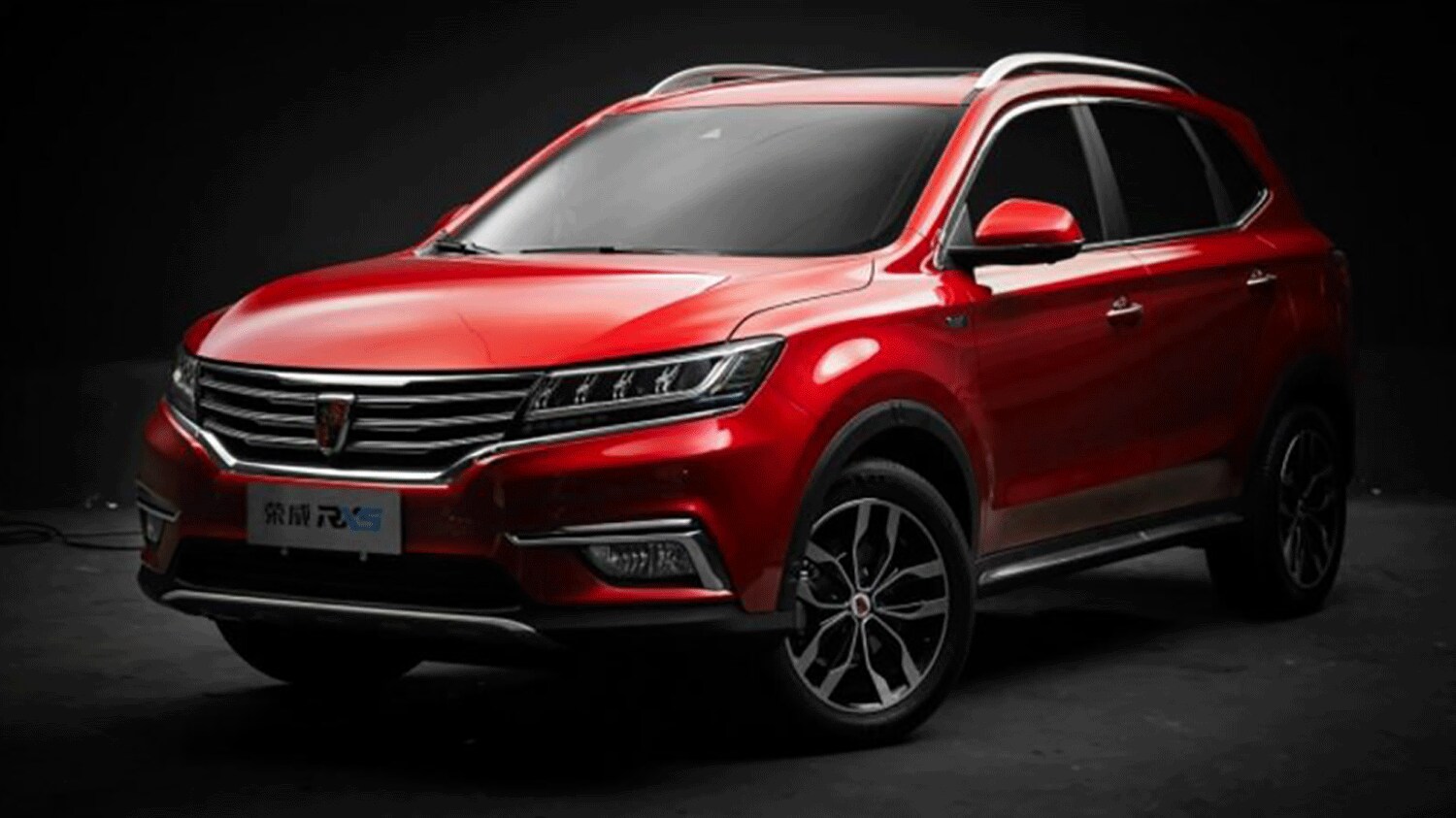
On Thursday, the Alibaba Group launched a first-of-its-kind “internet-connected car” which will be scaled up for mass production in the near future.
The YunOS-enabled car named “OS'Car RX5” has been developed in collaboration with SAIC Motor Corporation.
YunOS for cars is a smart operating system from Alibaba Group which is tailor-made for the automotive industry, the company said in a statement.The car has advanced fuel technology, more powerful accelerator, lower oil consumption and have a shorter braking distance.With cloud-based data, YunOS provides OS'Car RX5 drivers with a series of innovative features like an intelligent map.Alibaba statement

The car is able to obey direct commands through smart voice control, creating a natural and safer driving environment. Audio is the primary mode for controlling the system.
Equipped with up to four detachable action cameras, it enables video recordings of the journey and 360-degree in-car selfies. The selfies can be shared instantly with friends via the connected smartphone.
As the first car with an “Internet ID”, the car can recognise the driver through connected smartphones orsmartwatches. It also enables personalised internet services such as greetings, preferred music and destinations.
YunOS will make cars an even more indispensable part of human life in the future society. Today marks the dawn of that new era. We feel proud and privileged to be playing a part in driving that changeJack Ma, Executive Chairman, Alibaba Group

OS'Car RX5 uses an open platform for different smart hardware and services which will enable the introduction of additional premium and creative driving experiences for users.
The RX5 is available for pre-order now, and is priced upwards of RMB 148,800 ($22,300), with deliveries scheduled to start in August.
(With agency inputs)

-
Unhedged Position: Can India See An Indonesia-Style Time Correction?

The Nifty is trading below levels it first clocked in 2024. Is there, then, as I have suggested in the headline, potential that the current time correction drags on painfully for the next three-five, even ten years?
-
Navigating Friction And Energy Realities: An Analysis Of Marco Rubio's October Visit To India
Occurring at a critical juncture marked by stalled trade negotiations and escalating geopolitical pressures over global energy supplies, the visit offers a profound window into modern US-India relations.
-
India Exports Capital. Why Not Export Trusteeship?
The big question, then, is whether India can build an institution that global borrowers, investors, banks, and lawyers can trust, even without an Indian connection.
-
France's Economy & Politics Are In Crisis | The Reason Why
Let's look at how the French economy and politics evolved under Nicolas Sarkozy, Franois Hollande and Emmanuel Macron.
-
You May Inherit The Business. You Must Earn Its Credibility.
Succession tests the founder's ability to share authority as much as it tests the next generation's readiness to assume it.
-
Signing Deals Is One Thing; Making Them Work Is Another | The Week In Whys
Sometimes, things don't turn out as planned. Indian companies have lost some bids to rivals, some projects won't produce until 2030.
-
FOMC Wall, PERM Suspension, Hospital Stocks | Talking Points This Week
A PERM suspension would directly affect green-card sponsorship rather than H-1B visas, so the near-term earnings impact could remain relatively limited. The key question is whether this marks a new phase in US scrutiny of Indian IT.
-
Everything, Everywhere, All At Once: Dalal Street's Week To Forget | Joining The Dots
Visa curbs, a Starlink spat and cancer drug caps: what connects this week's shocks for Indian markets
-
India Is Going Abroad For Critical Minerals. But It May Take Years To Pay Off | The Reason Why
Although India's steps are in the right direction, they remain modest compared with India's growing dependence.
-
When Everyone Has AI, What Gives You An Edge?
India's young workforce is entering an uncertain world of work where powerful AI tools are becoming widely accessible. The advantage will belong to those who combine deep expertise with digital fluency, and the distinctly human capabilities that technology cannot manufacture.









